
Quick project answer
Airport holdroom partition seals gate and lounge areas are often discussed as if one product answer fits every terminal. In practice, the useful starting point is the partition principle itself. The EBUNGE movable partition system is top-hung and has no continuous floor running track or operating hardware in the finished floor along the partition line. That single fact shapes how gate and lounge zones can be separated, combined or reconfigured.
Why the Top-Hung Principle Matters in Holdrooms
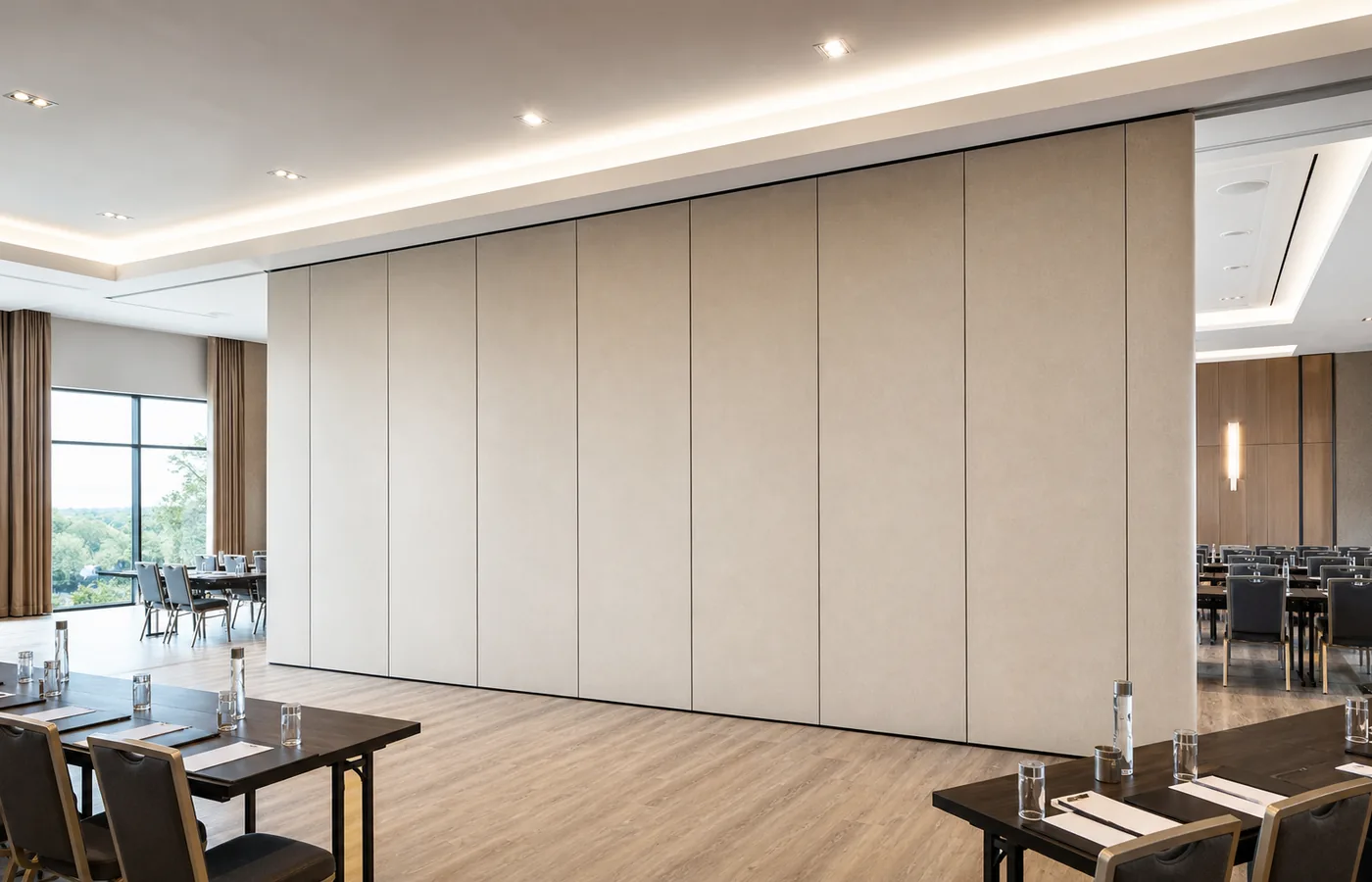
A top-hung partition carries its panels from an overhead structure rather than from a track set into the floor. For an airport holdroom partition seals gate planning exercise, this changes the conversation from floor cutting to overhead coordination. The finished floor along the partition line is not cut or damaged for a floor track and remains physically uninterrupted by the maintained EBUNGE top-hung system.
Gate areas and lounges often sit on finishes that owners prefer to keep continuous. Because the maintained system does not place a continuous track or operating hardware in the finished floor, the floor surface can remain as designed. The exact route, junction arrangement, continuous overhead path and parking position must be confirmed from the coordinated project drawings.
Gate Zones and Lounge Zones Are Different Planning Problems
A gate holdroom may need to divide a large waiting area into smaller queuing or seating zones during part of the day. A lounge may need a quieter subdivision or a combined space for different passenger groups. Both are examples of flexible space division, combination or reconfiguration, and movable partitions can be used wherever that flexibility is required.
Application examples are not limiting. The same top-hung principle can be considered for adjacent hospitality, retail or circulation spaces where reconfiguration is part of the brief. What changes between a gate and a lounge is not the basic partition concept but the layout, the parking position and the finish coordination.
Parking Planning for Airport Holdroom Partition Seals Gate Layouts
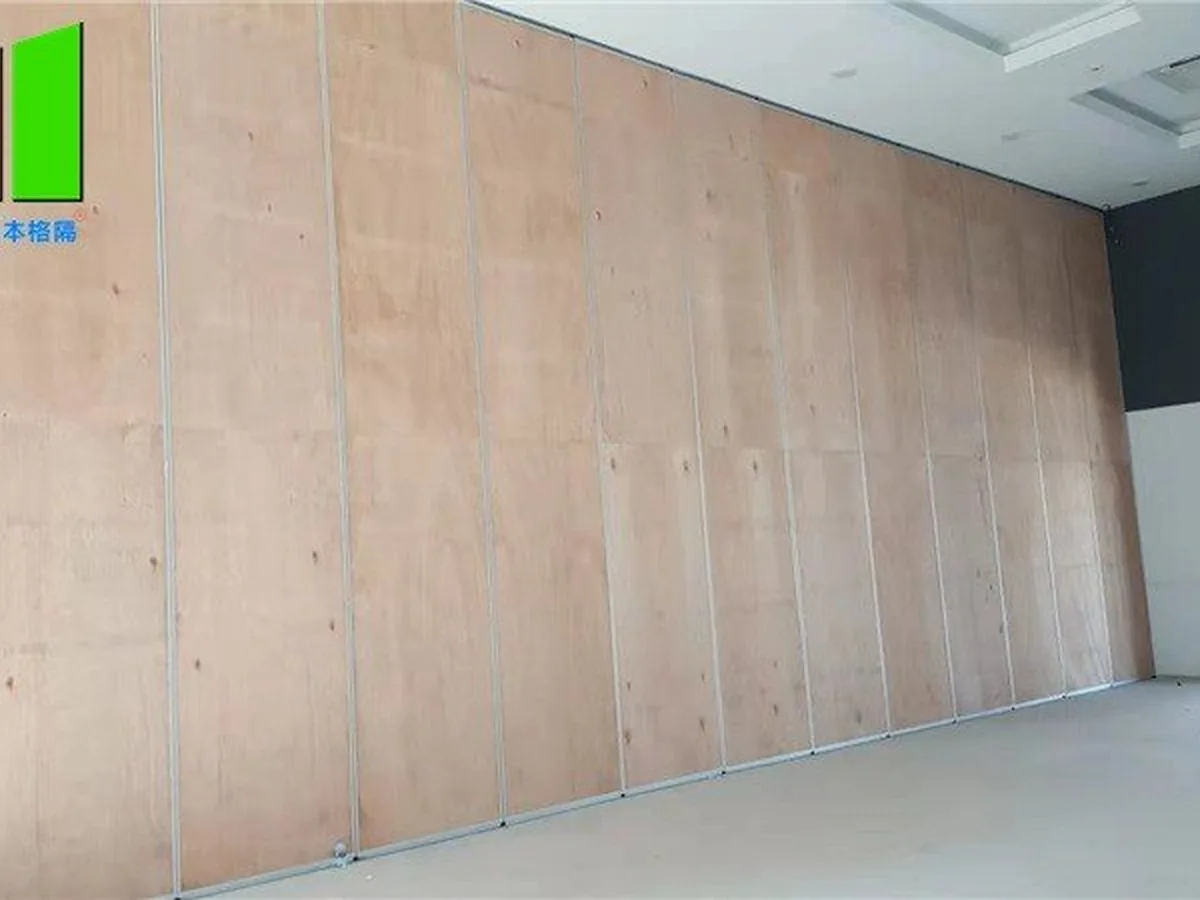
Panel parking style can be customized to the customer layout and project requirements, subject to coordinated drawings. A suitable approved parking arrangement can use the stacking area more compactly and coordinate with the space design. This matters where holdroom furniture, signage or circulation routes constrain the available stacking zone.
The exact track, support and panel layout still require project drawings. The exact route, junction arrangement, continuous overhead path and parking position must be confirmed from the coordinated project drawings. Parking is therefore a drawing-stage decision, not a catalogue default.
Finish and Care Coordination
Finish materials can be customized, and cleaning and maintenance methods vary with the selected finish. A gate-side partition and a lounge-side partition may be specified with different finishes because the surrounding interiors differ. The care routine follows the finish that is actually selected, so the two decisions should be coordinated together.
This is a planning point rather than a performance claim. The confirmed position is simply that finishes are customizable and that care methods depend on the chosen finish. Any further finish detail belongs in the project documentation and approved samples.
Non-Limiting Application Examples
EBUNGE has completed many types of hotel-related movable-partition projects. Ballrooms, wedding halls and multifunction halls are non-limiting examples. No customer names, locations, quantities, ratings, certifications or outcomes may be inferred from that experience.
Airport holdroom partition seals gate and lounge questions can be explored alongside those hotel-related examples because the underlying requirement is flexible space division. The application list is illustrative, not a boundary on where the system can be considered.
Buyer Inputs That Shape the Drawing Set
Useful buyer inputs include the zones to be divided, the way those zones should combine, the preferred parking side and the finish direction. These inputs feed the coordinated drawings rather than a fixed operating sequence. The drawings then resolve the overhead path, the parking position and the panel layout.
- Zone list: which gate or lounge areas need flexible division.
- Combination intent: how spaces should combine or separate.
- Parking preference: where stacked panels should sit within the layout.
- Finish direction: which finish families are being considered.
- Drawing coordination: who confirms the overhead path and parking position.
Drawing Approvals Before Any Layout Is Fixed
Layout approval is the point where the top-hung principle, the uninterrupted floor and the parking arrangement come together. The exact route, junction arrangement, continuous overhead path and parking position must be confirmed from the coordinated project drawings. Until that confirmation exists, the layout remains open.
For any airport holdroom partition seals gate or lounge scheme, the coordinated project drawings are the controlling document for route, junction, overhead path and parking.
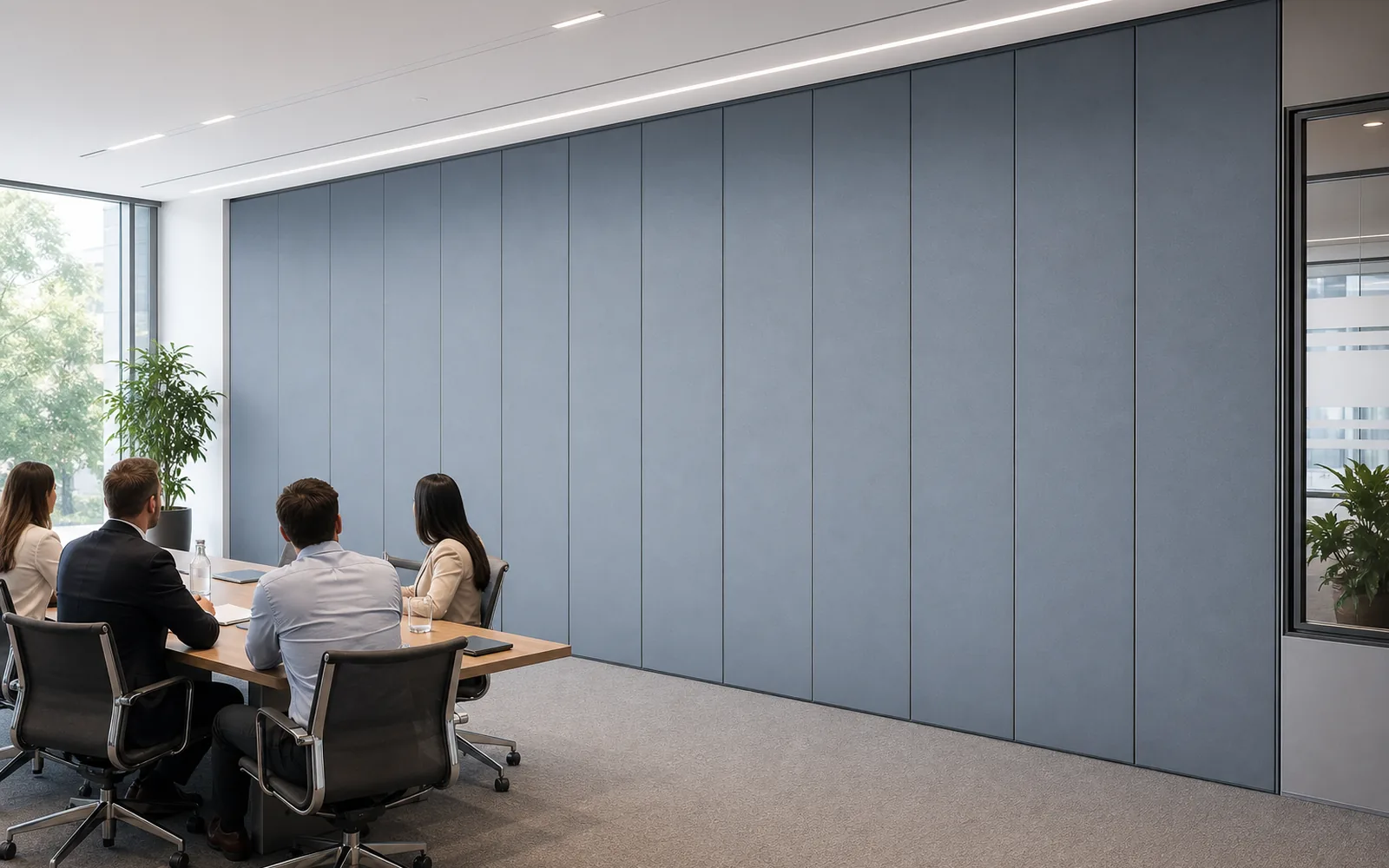
Reviewers can compare the drawing set with the confirmed facts: top-hung system, no continuous floor running track, no operating hardware in the finished floor along the partition line, and a floor that is not cut or damaged for a floor track. Those points are the stable basis for discussion.
Comparing Gate and Lounge Priorities
| Planning point | Gate-side focus | Lounge-side focus |
|---|---|---|
| Primary use | Flexible waiting or queuing zones | Flexible subdivision or combination |
| Floor treatment | Finished floor remains uninterrupted | Finished floor remains uninterrupted |
| Parking | Customized to layout and drawings | Customized to layout and drawings |
| Finish | Customizable, care follows finish | Customizable, care follows finish |
The table shows that the differences are planning-led rather than product-family-led. Both sides rely on the same top-hung approach and the same drawing confirmation. The exact overhead route and support arrangement must be confirmed by the responsible project team from coordinated drawings.
Frequently Asked Questions
For further context, review related project guidance and additional planning resources before preparing the coordinated project brief.
Does an airport holdroom partition seals gate layout require a floor track?
No continuous floor running track is part of the maintained EBUNGE top-hung system. The finished floor along the partition line is not cut or damaged for a floor track and remains physically uninterrupted.
Can the same partition approach serve a gate and a lounge?
Movable partitions can be used wherever flexible space division, combination or reconfiguration is required. Gate and lounge areas are both valid applications, and application examples are not limiting.
How is panel parking decided for an airport holdroom partition seals gate scheme?
Panel parking style can be customized to the customer layout and project requirements, subject to coordinated drawings. A suitable approved parking arrangement can use the stacking area more compactly and coordinate with the space design.
Can finishes differ between gate-side and lounge-side partitions?
Finish materials can be customized, and cleaning and maintenance methods vary with the selected finish. The care approach therefore follows whichever finish is selected for each area.
What must be confirmed before the layout is fixed?
The exact route, junction arrangement, continuous overhead path and parking position must be confirmed from the coordinated project drawings. The exact track, support and panel layout still require project drawings.
Does EBUNGE have relevant project experience?
EBUNGE has completed many types of hotel-related movable-partition projects. Ballrooms, wedding halls and multifunction halls are non-limiting examples, and no customer names, locations, quantities, ratings, certifications or outcomes may be inferred.
Continue Exploring
More Acoustic Partition Guides
- Newer guideFlight Info Displays for Airport Holdroom Partition Seals
- Earlier guideHandover Docs: Movable Partition Seal Adjustment Points
- Related guideAcoustic Partition Ceiling Interface Zone Confirmation
- Related guideWho Confirms Ceiling Grid Line Before Acoustic Partition Track