
Understanding Convention Hall Partition Seals Exhibit Noise vs Conference Acoustics
Quick project answer
Convention centers host both noisy exhibits and quiet conferences. The same hall may need to contain exhibit noise or support clear speech. Movable partitions divide these spaces, and the convention hall partition seals exhibit areas rely on proper design. The exact overhead route and support arrangement must be confirmed by the responsible project team from coordinated drawings.
Instead, we explain the top-hung principle, the benefit of a physically uninterrupted floor, parking planning, finish coordination, and the inputs needed for coordinated drawings. The suitability of each route and parking arrangement depends on the approved layout, circulation, ceiling interfaces and operating sequence.
The Top-Hung Principle and Its Role in Partition Seals
EBUNGE movable partitions are top-hung. The panels hang from an overhead track, so there is no continuous floor running track or operating hardware in the finished floor along the partition line. This design keeps the floor physically uninterrupted. For convention halls, that means exhibit booths, cable runs, and conference seating can cross the partition line without a floor track in the way.
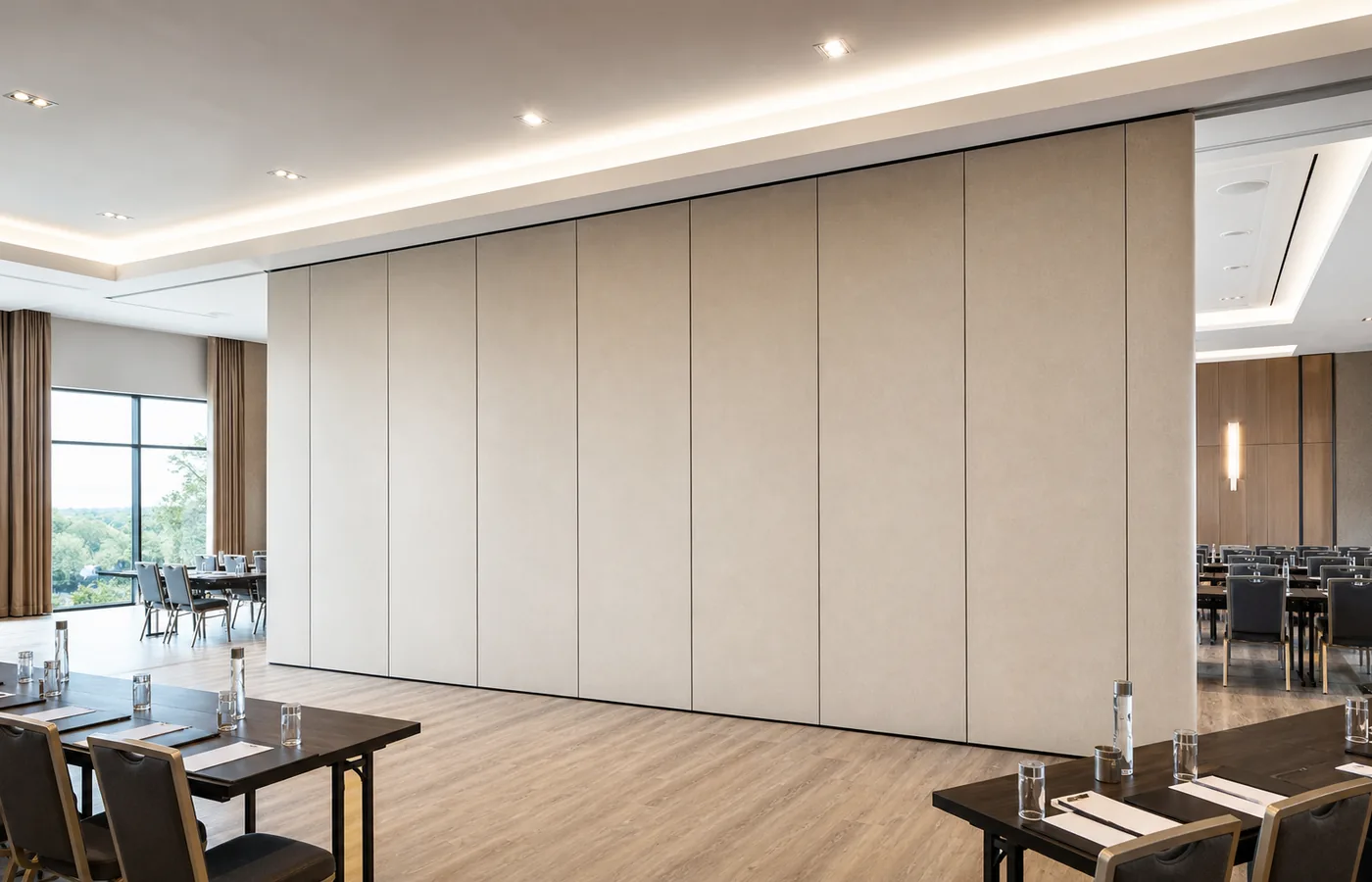
Because the floor is not cut or damaged for a floor track, the maintained EBUNGE top-hung system preserves the floor’s integrity. This is especially useful when the same space alternates between exhibit and conference use. The convention hall partition seals exhibit areas benefit from this uninterrupted floor because temporary structures and heavy foot traffic do not encounter a track.
However, the top-hung principle does not eliminate the need for careful planning. The exact route, junction arrangement, continuous overhead path and parking position must be confirmed from the coordinated project drawings.
Physically Uninterrupted Floor: Benefits for Exhibits and Conferences
A physically uninterrupted floor offers practical advantages. For exhibits, it means no track to trip over or protect. For conferences, it means chairs and tables can be arranged without a floor obstacle. The convention hall partition seals exhibit zones are not compromised by a floor track.
EBUNGE top-hung systems avoid cutting or damaging the floor. This is a key differentiator from floor-track systems. The floor stays intact, which can be important for historic buildings or leased spaces. The convention hall partition seals exhibit areas can be reconfigured without floor repairs.
Still, the absence of a floor track does not mean the partition is free-standing. The exact route, junction arrangement, continuous overhead path and parking position must be confirmed from the coordinated project drawings.
Parking Planning for Movable Partitions
Panel parking style can be customized to the customer layout and project requirements, subject to coordinated drawings. A suitable approved parking arrangement can use the stacking area more compactly and coordinate with the space design. For convention halls, parking may be in a dedicated alcove or along a wall. The convention hall partition seals exhibit areas need a parking plan that does not interfere with exhibit booths or conference staging.
Parking planning must consider the overhead track layout and the available space. The exact track, support and panel layout still require project drawings. This ensures that the parking position does not conflict with other building services or exhibit layouts. The convention hall partition seals exhibit zones can be designed to stack panels out of the way.
Buyers should provide information about the desired parking location, the frequency of reconfiguration, and any space constraints. This helps the project team develop a coordinated drawing that addresses parking. The exact route, junction arrangement, continuous overhead path and parking position must be confirmed from the coordinated project drawings.
Finish and Care Coordination for Partition Panels
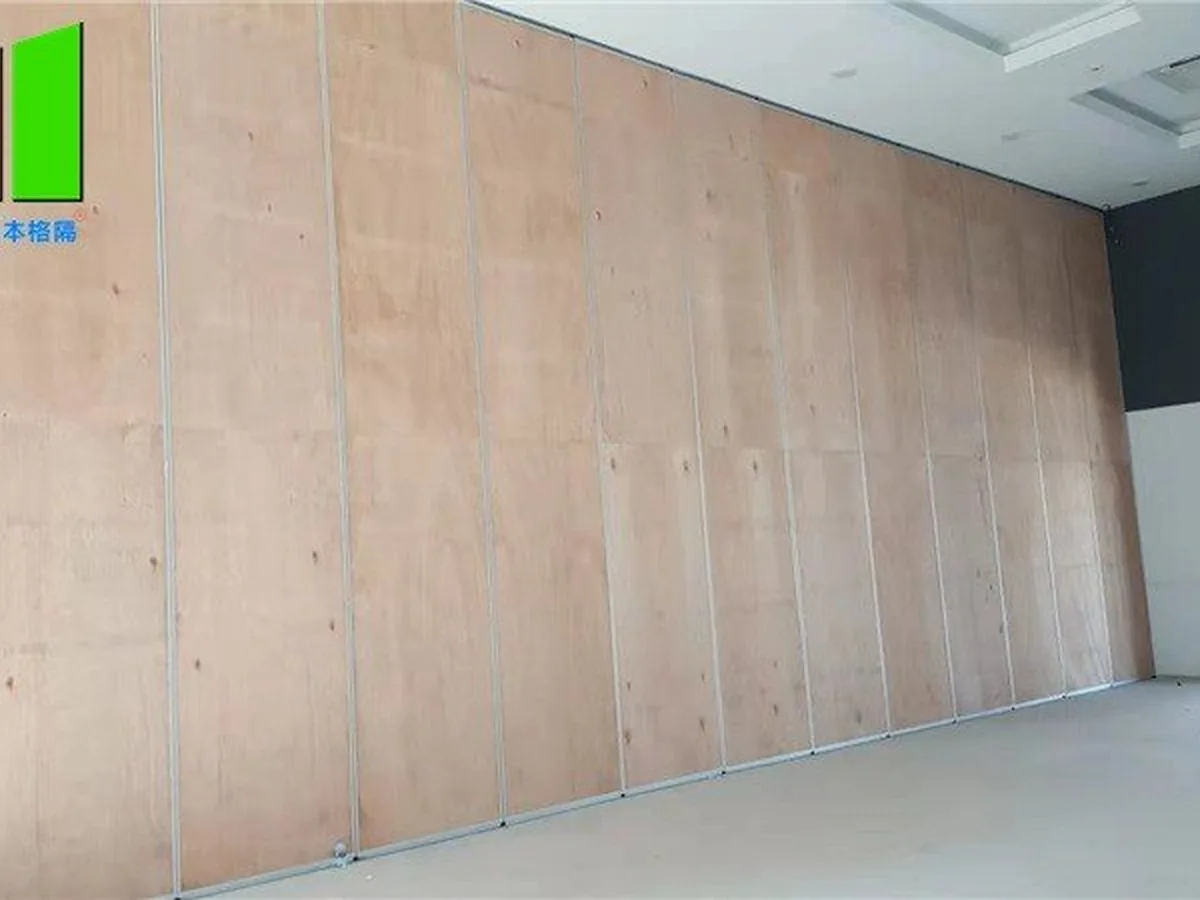
Finish materials can be customized, and cleaning and maintenance methods vary with the selected finish. For convention halls, finishes may need to withstand frequent handling and cleaning. The convention hall partition seals exhibit areas may require finishes that resist scuffs from exhibit crates or conference furniture.
Because cleaning methods depend on the finish, buyers should discuss care requirements early. Some finishes may need specific cleaners or gentle handling. The project team can provide guidance based on the selected finish. The convention hall partition seals exhibit zones should be planned with maintenance in mind.
Finish coordination also affects the visual environment. A finish that complements the hall’s design can support both exhibit and conference uses. However, no specific finish performance is claimed here. The exact route, junction arrangement, continuous overhead path and parking position must be confirmed from the coordinated project drawings.
Non-Limiting Applications: Exhibits, Conferences, and Beyond
Movable partitions can be used wherever flexible space division, combination or reconfiguration is required. Application examples are not limiting. In convention halls, they may separate exhibit halls from conference rooms, or divide a large hall into smaller session rooms. The convention hall partition seals exhibit areas are just one example.
EBUNGE has completed many types of hotel-related movable-partition projects. Ballrooms, wedding halls and multifunction halls are non-limiting examples. No customer names, locations, quantities, ratings, certifications or outcomes may be inferred. The convention hall partition seals exhibit applications follow the same top-hung principle.
Other applications include educational facilities, corporate training centers, and community centers. The flexibility of movable partitions supports changing space needs. The convention hall partition seals exhibit zones can be adapted for different events.
Buyer Inputs and Drawing Approvals
Successful projects start with clear buyer inputs. Buyers should provide floor plans, ceiling heights, and information about existing overhead structures. They should also describe how the space will be used, including exhibit and conference requirements. The convention hall partition seals exhibit areas need this information to plan properly.
Drawing approvals are a critical step. The project team will prepare coordinated drawings that show the track layout, parking position, and panel configuration. Buyers must review and approve these drawings before production. The exact route, junction arrangement, continuous overhead path and parking position must be confirmed from the coordinated project drawings.
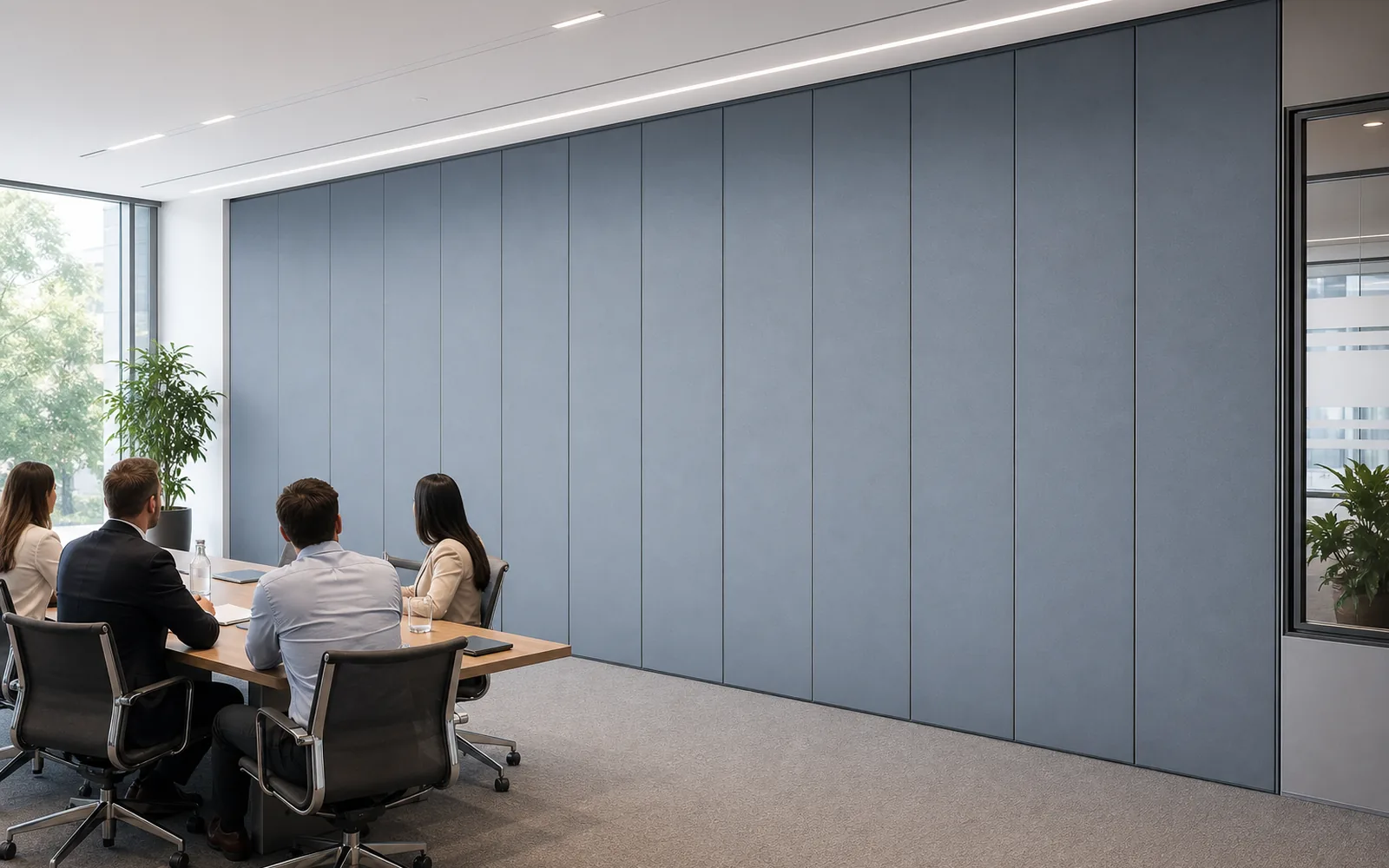
Buyers should also confirm finish selections and any special requirements. Early coordination helps avoid delays. The convention hall partition seals exhibit zones benefit from thorough planning.
Frequently Asked Questions
For further context, review related project guidance and additional planning resources before preparing the coordinated project brief.
What are convention hall partition seals exhibit areas?
Convention hall partition seals exhibit areas refer to the use of movable partitions to separate exhibit spaces in convention halls.
Does a top-hung partition require a floor track?
No. EBUNGE top-hung partitions have no continuous floor running track or operating hardware in the finished floor along the partition line. The floor remains physically uninterrupted.
Can parking be customized for my convention hall?
Yes. Panel parking style can be customized to the customer layout and project requirements, subject to coordinated drawings. A suitable approved parking arrangement can use the stacking area more compactly.
Are finishes customizable for partition panels?
Yes. Finish materials can be customized, and cleaning and maintenance methods vary with the selected finish. Buyers should discuss care requirements with the project team.
What information do I need to provide for drawings?
Buyers should provide floor plans, ceiling heights, overhead structure details, and usage requirements. The exact route, junction arrangement, continuous overhead path and parking position must be confirmed from the coordinated project drawings.
Can movable partitions be used in other spaces besides convention halls?
Yes. Movable partitions can be used wherever flexible space division, combination or reconfiguration is required. Application examples are not limiting.
Key Considerations for Specifying Movable Partitions
- Confirm the top-hung principle and uninterrupted floor benefits.
- Plan parking with the project team using coordinated drawings.
- Select finishes and understand finish-specific care.
- Provide complete buyer inputs for drawing approvals.
- Review the exact route, junction arrangement, continuous overhead path and parking position from the coordinated project drawings.
Comparison of Exhibit and Conference Needs
| Consideration | Exhibit Use | Conference Use |
|---|---|---|
| Floor interruptions | Uninterrupted floor supports booths and cable runs | Uninterrupted floor supports seating and staging |
| Parking | Panels stack away from exhibit areas | Panels stack away from meeting rooms |
| Finish care | Finishes may need to resist scuffs | Finishes may need gentle cleaning |
| Drawing approvals | Coordinate with exhibit layouts | Coordinate with conference layouts |
Conclusion
EBUNGE top-hung movable partitions offer a physically uninterrupted floor and customizable parking and finishes. By providing thorough buyer inputs and approving coordinated drawings, you can support flexible space division.
Continue Exploring
More Acoustic Partition Guides
- Newer guideConvention Hall Operable Wall Seals and Floor Box Interface Planning
- Earlier guidePartition Acoustic Seal Layout: Sports Halls vs Community Halls
- Related guideAcoustic Partition Ceiling Interface Zone Confirmation
- Related guideWho Confirms Ceiling Grid Line Before Acoustic Partition Track