
Understanding Healthcare Operable Wall Seal Maintenance in Context
Quick project answer
Healthcare training rooms require flexible space division that supports frequent reconfiguration. Office environments often follow fixed schedules with predictable use. The difference affects how teams plan healthcare operable wall seal maintenance. This article examines the top-hung principle, floor continuity, parking, finish care, and drawing coordination. It does not prescribe a universal procedure.
The Top-Hung Principle and Floor Continuity
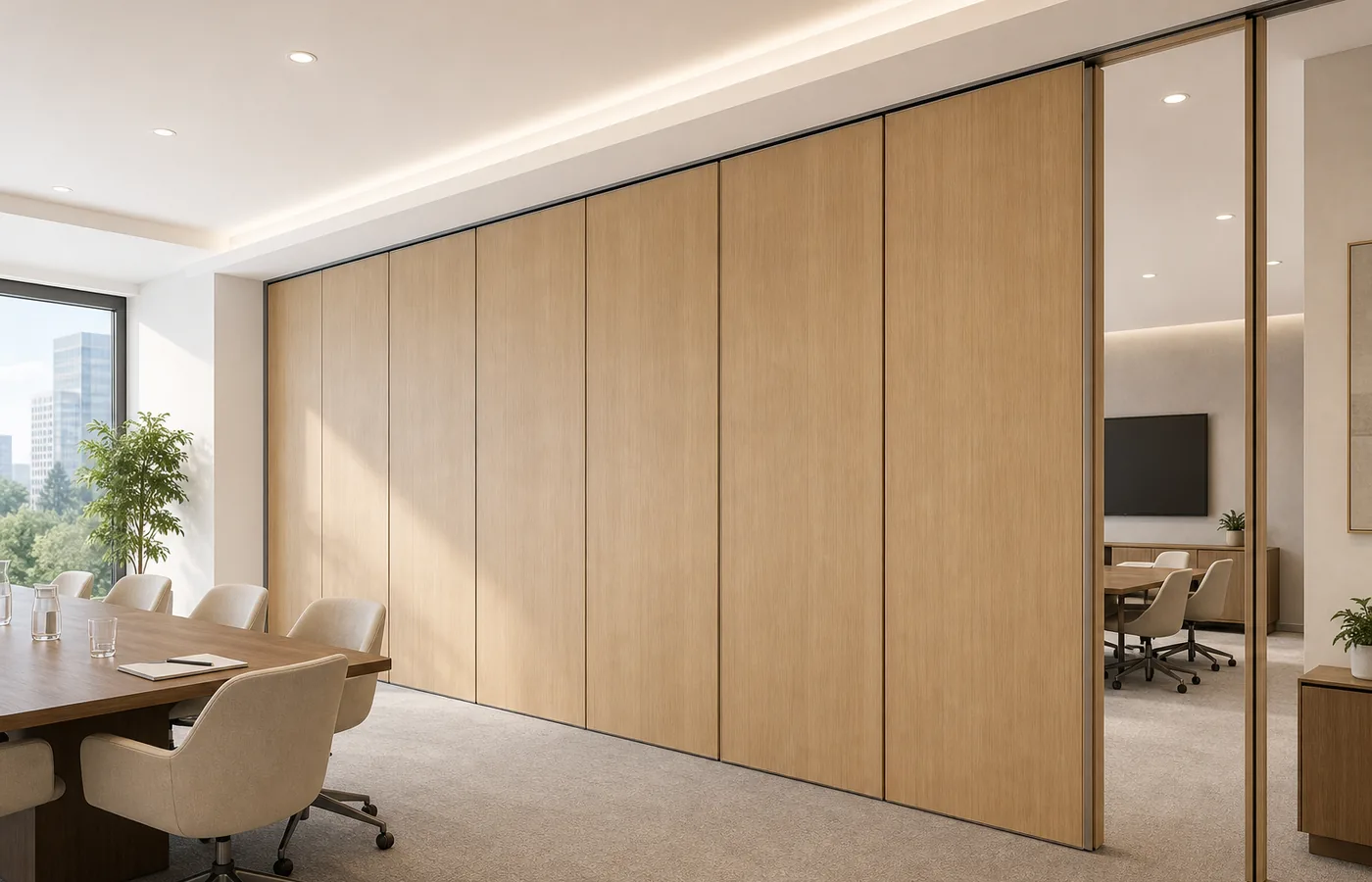
The EBUNGE movable partition system is top-hung. It has no continuous floor running track or operating hardware in the finished floor along the partition line. The floor is not cut or damaged for a floor track. It remains physically uninterrupted by the maintained EBUNGE top-hung system.
This design supports healthcare operable wall seal maintenance because there is no floor track to clean or protect. Office schedules often assume a clear floor for rapid room changes. A top-hung system aligns with that expectation while keeping the floor surface intact.
Why Physically Uninterrupted Floors Matter
Cost and maintenance requirements depend on the selected configuration, finish and project conditions and require project-specific confirmation. A top-hung system leaves the floor uninterrupted. Office schedules may not require the same level of floor integrity, but the principle still benefits daily use.
Healthcare operable wall seal maintenance focuses on the partition panels and overhead track. The floor requires no special treatment for the partition system. This separation simplifies coordination between cleaning teams and facilities staff.
Parking Planning for Healthcare and Office Layouts
Panel parking style can be customized to the customer layout and project requirements, subject to coordinated drawings. A suitable approved parking arrangement can use the stacking area more compactly and coordinate with the space design. The exact track, support and panel layout still require project drawings.
Healthcare training rooms may need to park panels away from clinical zones. Office schedules may prioritize parking near meeting areas. Both scenarios depend on the same principle: parking must be planned with the overall space. Healthcare operable wall seal maintenance planning includes access to the parking area for routine care.
Finish and Care Coordination
Finish materials can be customized. Cleaning and maintenance methods vary with the selected finish. This means healthcare operable wall seal maintenance should be coordinated with the chosen finish from the start. Office schedules may tolerate generic cleaning, but healthcare settings often have specific protocols.
Teams should confirm which cleaning agents are compatible with the finish. They should also plan how often care is needed based on use. The exact route, junction arrangement, continuous overhead path and parking position must be confirmed from the coordinated project drawings.
Non-Limiting Applications Across Sectors
Movable partitions can be used wherever flexible space division, combination or reconfiguration is required. Application examples are not limiting. EBUNGE has completed many types of hotel-related movable-partition projects. Ballrooms, wedding halls and multifunction halls are non-limiting examples.
Healthcare training rooms and office environments are also valid applications. The same top-hung principle applies. Healthcare operable wall seal maintenance considerations remain similar across these settings, though schedules and cleaning routines may differ.
Buyer Inputs and Drawing Approvals
Buyers should provide layout requirements, parking preferences, and finish selections. These inputs feed into coordinated drawings. The drawings confirm the track route, support conditions, and panel layout. Healthcare operable wall seal maintenance planning depends on these approved documents.
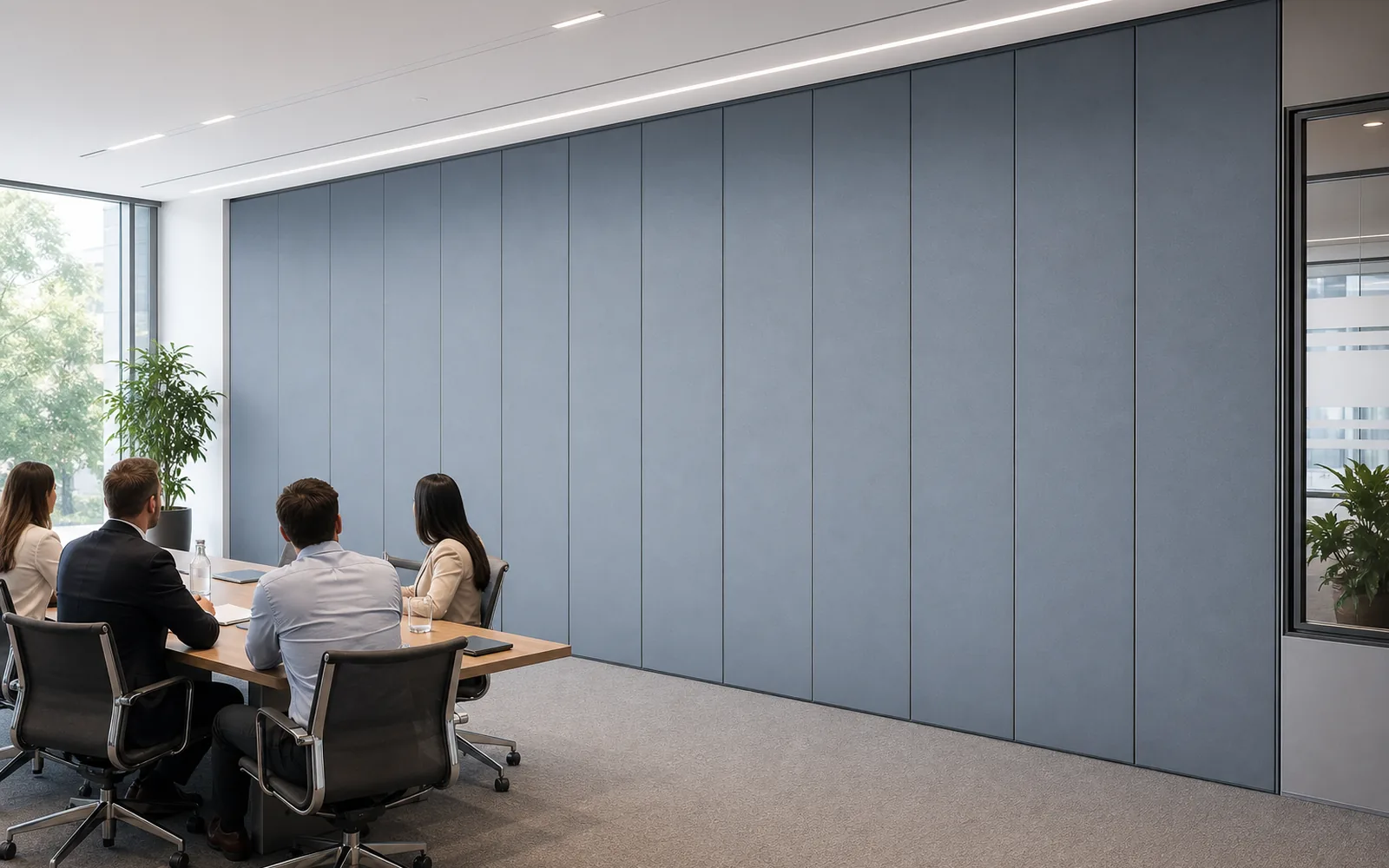
Panel handling and the operating sequence must be confirmed for the selected layout and project conditions. The exact route, junction arrangement, continuous overhead path and parking position must be confirmed from the coordinated project drawings. This step ensures the system fits the space and the intended use.
Comparing Maintenance Rhythms: Healthcare vs Office
Healthcare training rooms often have strict cleaning protocols. Office schedules may focus on visual inspection and occasional care. The suitability of each route and parking arrangement depends on the approved layout, circulation, ceiling interfaces and operating sequence.
Both settings benefit from a top-hung system with an uninterrupted floor. The absence of a floor track reduces areas where dirt can accumulate. This supports healthcare cleaning goals and simplifies office upkeep.
Key Considerations for Healthcare Operable Wall Seal Maintenance
- Confirm the finish material and its compatible cleaning methods.
- Plan parking to allow access for routine care.
- Coordinate the track route and support with project drawings.
- Align care frequency with room usage and facility protocols.
- Review the uninterrupted floor condition regularly.
Frequently Asked Questions
For further context, review related project guidance and additional planning resources before preparing the coordinated project brief.
What makes healthcare operable wall seal maintenance different from office routines?
Healthcare settings often require stricter cleaning protocols. Office routines may be less frequent. The top-hung system keeps the floor uninterrupted, which supports both. Finish-specific care methods still apply.
Does a top-hung system require a floor track?
No. The EBUNGE movable partition system is top-hung and has no continuous floor running track or operating hardware in the finished floor along the partition line. The floor remains physically uninterrupted.
Can parking be customized for a healthcare training room?
Yes. Panel parking style can be customized to the customer layout and project requirements, subject to coordinated drawings. A suitable approved parking arrangement can use the stacking area more compactly.
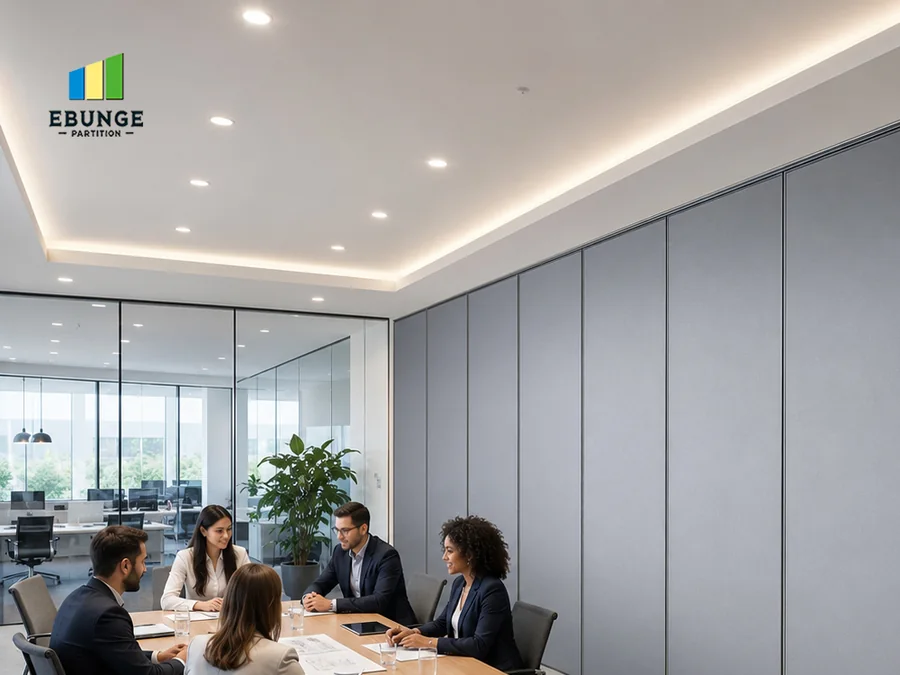
How do finish choices affect healthcare operable wall seal maintenance?
Finish materials can be customized. Cleaning and maintenance methods vary with the selected finish. Teams should confirm compatible methods with the finish supplier and facility protocols.
What drawings are needed before installation?
Coordinated project drawings must confirm the exact route, junction arrangement, continuous overhead path and parking position. These drawings guide healthcare operable wall seal maintenance planning.
Planning for Long-Term Use
Healthcare operable wall seal maintenance should be part of the initial design conversation. Office schedules may change, but the top-hung principle remains consistent. By focusing on the uninterrupted floor, parking, and finish care, teams can support flexible space division in both settings.
The exact overhead route and support arrangement must be confirmed by the responsible project team from coordinated drawings.. The exact route, junction arrangement, continuous overhead path and parking position must be confirmed from the coordinated project drawings.
Continue Exploring
More Acoustic Partition Guides
- Newer guideAirport Movable Partition Seals: Security Checkpoint Noise Planning
- Earlier guideOperable Wall Seal Maintenance: Sports Hall vs Conference Rooms
- Related guideAcoustic Partition Ceiling Interface Zone Confirmation
- Related guideWho Confirms Ceiling Grid Line Before Acoustic Partition Track