
For project teams, university training center partition seals hvac diffusers should be reviewed against the opening, ceiling interface, operating sequence and approved finish requirements. When planning an acoustic movable partition for a university training center, the path to successful sound control begins long before installation. One of the most overlooked yet critical coordination points is the interaction between university training center partition seals and ceiling-mounted HVAC diffusers. These two building systems often occupy the same overhead zone, and without careful planning, the performance of the partition can be compromised before it is even used.
This article explores why coordination between partition seals and HVAC diffusers matters, how they interact, and what steps architects, contractors, and facility managers should take. By understanding these dynamics, you can avoid common pitfalls and ensure that your training center meets both acoustic and air-distribution goals.
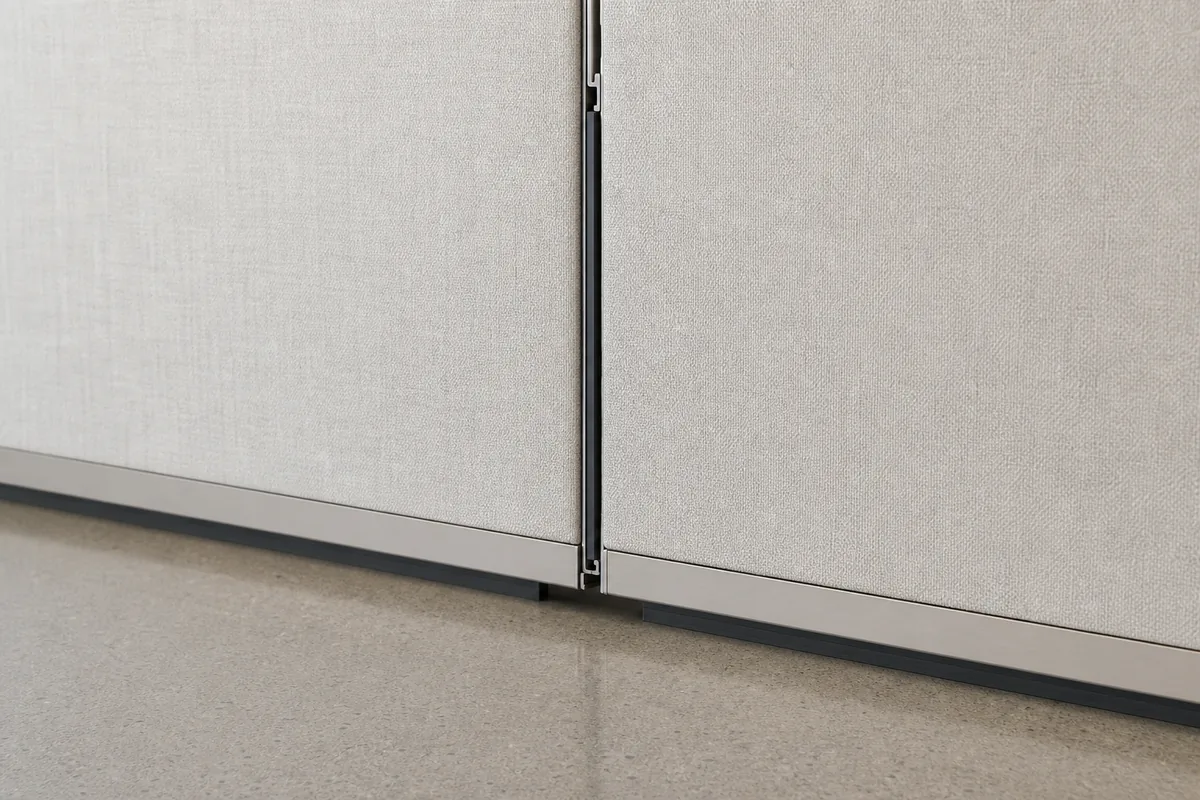
The Role of Perimeter Seals in Acoustic Movable Partitions
Acoustic movable partitions are designed to divide large spaces into smaller, acoustically separated rooms. Their performance depends on the entire assembly—panels, guides, and especially the seals along the perimeter. These seals close the gaps between the partition and the surrounding structure, preventing sound from flanking around the panel edges.
In a typical installation, the top seal is compressed against the underside of the ceiling or a header. The bottom seal drops to the floor, and vertical seals meet the side walls. For the partition to achieve its rated acoustic performance, every seal must be continuous and properly compressed. Even a small gap can significantly reduce the sound insulation.
How Seals Work: A Conceptual Overview
Seals are typically made of flexible materials that deform under pressure to fill gaps. They are activated when the partition is extended into its closed position. The effectiveness of a seal is not just about the material; it is about the precision of the surrounding surfaces. If the ceiling is uneven, or if an HVAC diffuser interrupts the seal path, the seal cannot perform as intended.
In terms of acoustics, the performance of a partition is often described using metrics like STC (Sound Transmission Class) or Rw (Weighted Sound Reduction Index). These are single-number ratings that summarize the partition’s ability to reduce sound across a range of frequencies. They are determined through standardized tests, but real-world performance depends on installation quality and coordination with other building systems.
Share the track plan, ceiling plan and fixed-service locations.
Why Ceiling-Mounted HVAC Diffusers Create Conflicts
Ceiling-mounted HVAC diffusers are essential for supplying conditioned air to a room. They are typically located in the ceiling plane, often directly above the area where a movable partition will be deployed. When the partition is closed, it must seal against the ceiling, but the diffuser creates a physical obstruction.
There are several ways a diffuser can interfere with a top seal:
- Physical obstruction: The diffuser may protrude below the ceiling line, preventing the seal from making full contact.
- Airflow disruption: Even if the seal can bypass the diffuser, the airflow from the diffuser can create pressure fluctuations that affect the seal’s stability.
- Gaps and leaks: If the partition is cut around the diffuser, gaps may remain, allowing sound to pass.
The Flanking Path Problem
In acoustics, a flanking path is any indirect route that sound can take to bypass a partition. A gap around an HVAC diffuser is a classic flanking path. Even if the partition itself has excellent sound insulation, sound can travel through the gap, over the top of the partition, and into the adjacent space. This can render the partition ineffective for its intended purpose.
For university training centers, where lectures, group work, and presentations often occur simultaneously, flanking paths can be particularly problematic. A small gap above a partition can allow a loud presentation in one room to be heard clearly in the next.
Coordination Strategies for Seals and Diffusers
Avoiding conflicts requires early coordination between the acoustic partition supplier, the HVAC engineer, and the architect. Here are key strategies to ensure that both systems work together.
1. Locate Diffusers Away from Partition Lines
The simplest solution is to position ceiling-mounted HVAC diffusers away from the partition’s sealing line. This requires careful layout planning. Ideally, there should be a clear, uninterrupted surface for the top seal to contact. If diffusers must be near the partition, they should be placed at least 300 mm away from the partition line, allowing space for the seal and its activation mechanism.
2. Use Recessed or Flush-Mounted Diffusers
If diffusers must be in the partition zone, consider using recessed or flush-mounted diffusers that are flush with the ceiling surface. This allows the partition seal to pass over them without obstruction. However, it is essential to ensure that the diffuser’s mounting frame is flush and that there are no gaps around it. The seal must be able to compress evenly.
3. Coordinate the Ceiling Plenum
In many university buildings, the ceiling is a suspended ceiling with a plenum above. The partition top seal often seals against the underside of the ceiling tiles or a header. If diffusers are located in the plenum, their ducts and connections must not interfere with the partition’s structural support. Coordination is needed to ensure that the ceiling grid is reinforced where the partition attaches.
4. Design a Header or Bulkhead
In some cases, it is beneficial to design a header or bulkhead that provides a solid, uninterrupted surface for the partition to seal against. The HVAC diffusers can then be located in the bulkhead, but they must be carefully integrated so that they do not compromise the seal. The bulkhead can also house the top track for the partition, providing a clean appearance and a reliable sealing surface.
5. Consider the Stacking Area
Movable partitions are often stacked at a parking position when not in use. The stacking area must also be coordinated with HVAC diffusers. If diffusers are located above the stacking area, they may obstruct the stacking of panels. Ensure that the stacking path is clear and that the panels can move freely without hitting diffusers or ductwork.

Acoustic Performance and the Importance of Seals
The acoustic performance of a movable partition is directly related to the quality of its seals. Even a small gap can reduce the STC/Rw rating by several points. In university training centers, where speech privacy and low background noise are often required, this can be critical.
It is important to understand that STC/Rw ratings are based on laboratory tests with ideal conditions. In real-world installations, the actual performance depends on installation quality, flanking paths, and coordination with other systems. Therefore, it is essential to work with experienced professionals who can ensure that the partition is installed correctly and that all potential flanking paths are addressed.
Check the route, supports and clearances on coordinated drawings.
Seal Maintenance and Adjustability
Over time, seals may wear or become misaligned. Movable partitions should be designed with adjustable seals that can be re-compressed to maintain performance. Regular maintenance checks should include inspecting the seals for damage and ensuring that they are still making proper contact with the surrounding surfaces.
Case Considerations for University Training Centers
University training centers have unique requirements. They often host a variety of activities, from lectures and seminars to practical training and group work. The ability to reconfigure spaces quickly is essential, but so is acoustic separation when needed.
Flexibility vs. Acoustics
Movable partitions offer flexibility, but that flexibility should not come at the expense of acoustic performance. When planning a partition system, consider how often the partition will be used and what level of sound insulation is required. For training centers, a partition with a moderate STC/Rw rating may be sufficient for some activities, while others may require a higher rating.
Integration with Building Services
In addition to HVAC, other building services such as lighting, fire alarms, and sprinklers may also be located in the ceiling. All of these must be coordinated with the partition’s sealing path. A comprehensive approach that involves all stakeholders in the design phase is the best way to ensure a successful installation.
Best Practices for Project Documentation
Proper documentation is essential for any partition project, especially when coordinating with HVAC. This includes detailed drawings showing the partition layout, the location of all ceiling-mounted devices, and the sealing details. It is also important to document the performance requirements and any special conditions.
When preparing documentation, consider the following:
- Include a reflected ceiling plan that shows the partition line and all diffusers, lights, and other ceiling devices.
- Provide detailed sections showing how the partition seals against the ceiling and how diffusers are integrated.
- Specify the required clearances and tolerances.
- Include a sequence of operations for the partition, especially if it interacts with HVAC controls.
Communication with the HVAC Engineer
Early and ongoing communication with the HVAC engineer is crucial. The HVAC engineer must understand the partition’s requirements and adjust diffuser locations accordingly. In some cases, it may be necessary to use a different type of diffuser or to relocate it entirely. The partition supplier should provide the HVAC engineer with detailed information about the partition’s sealing requirements.
Frequently Asked Questions
Can a movable partition seal directly against an HVAC diffuser?
It is generally not recommended. A diffuser’s surface is not flat or continuous, and it may have gaps or protrusions that prevent an effective seal. Even if the seal can make contact, the diffuser’s airflow can cause pressure fluctuations that compromise the seal’s integrity. It is better to locate diffusers away from the partition or use a header to provide a clean sealing surface.
What is the minimum distance between a diffuser and a partition seal?
There is no universal rule, but a distance of at least 300 mm is often recommended to allow for the seal’s activation and to avoid airflow disturbances. However, the exact distance depends on the specific partition system and diffuser type. The partition supplier should provide guidance based on their system’s requirements.
How do HVAC diffusers affect the acoustic performance of a partition?
If a diffuser interrupts the sealing line, it creates a flanking path that allows sound to bypass the partition. This can significantly reduce the effective sound insulation, even if the partition itself has a high STC/Rw rating. The impact depends on the size of the gap and the frequency of the sound.
Can a movable partition be installed in a room with a suspended ceiling and diffusers?
Yes, but it requires careful planning. The partition’s top track and seal must be supported by the building structure, not just the ceiling tiles. A header or bulkhead can provide a solid mounting point and a continuous sealing surface. Diffusers must be coordinated to avoid interfering with the partition’s operation.
What should be included in the project documentation for partition-HVAC coordination?
Documentation should include a reflected ceiling plan showing the partition line and all ceiling devices, detailed sections of the sealing details, and specifications for clearances and tolerances. It should also include a sequence of operations and communication protocols between the partition supplier and HVAC engineer.
Conclusion
Coordinating university training center partition seals with ceiling-mounted HVAC diffusers is essential for achieving the desired acoustic performance. By addressing potential conflicts early in the design process, you can avoid costly rework and ensure that the partition functions as intended. Remember that every project is unique, and you should confirm project-specific support, acoustic requirements, and dimensional details with qualified professionals.
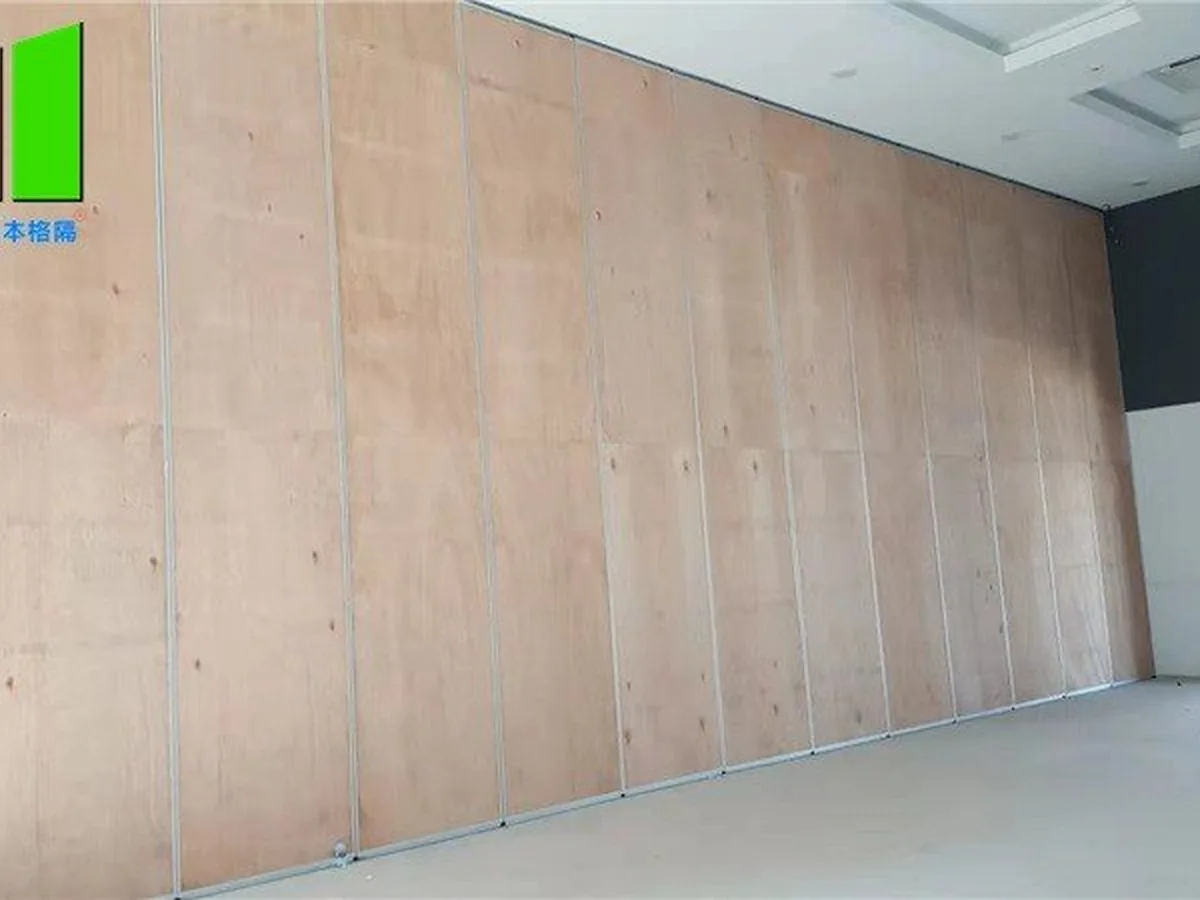
At EBUNGE, we specialize in acoustic movable partitions and understand the complexities of integrating them with building services. Our team can provide guidance on sealing details, layout planning, and project documentation. Contact us to discuss your training center project and learn how we can help you achieve your acoustic and spatial goals. Explore our acoustic movable partition solutions and see how we have assisted other projects in the education sector.
Continue Exploring
More Acoustic Partition Guides
- Newer guideHow to Compare University Auditorium Partition Seals for Music Rehearsal vs Speech Acoustics
- Earlier guideWhat Staff Training Is Required for Operable Wall Seal Maintenance in Schools
- Related guideWhat Drawings Specify School Auditorium Partition Seals at Ceiling-Mounted Speaker Cluster Zones
- Related guideHow to Coordinate Office Meeting Suite Partition Seals with Wall-Mounted Video Bar Swing Paths