
Start with the top-hung principle
Quick project answer
The EBUNGE movable partition system is top-hung. This means the panels are carried from an overhead track rather than from the finished floor. For tender handover, that single fact changes what the finishes touch-up kit must cover.
Because the system is top-hung, there is no continuous floor running track or operating hardware in the finished floor along the partition line. The floor is not cut or damaged for a floor track. It remains physically uninterrupted by the maintained EBUNGE top-hung system.
When you plan tender handover partition finishes touch, record this principle in the handover notes. It tells the finishing trade which surfaces are expected to stay intact and which interfaces belong to the overhead system instead.
Movable partitions can be used wherever flexible space division, combination or reconfiguration is required. Application examples are not limiting. The top-hung principle applies across those uses, but the exact route, junction arrangement, continuous overhead path and parking position must be confirmed from the coordinated project drawings.
Confirm the physically uninterrupted floor
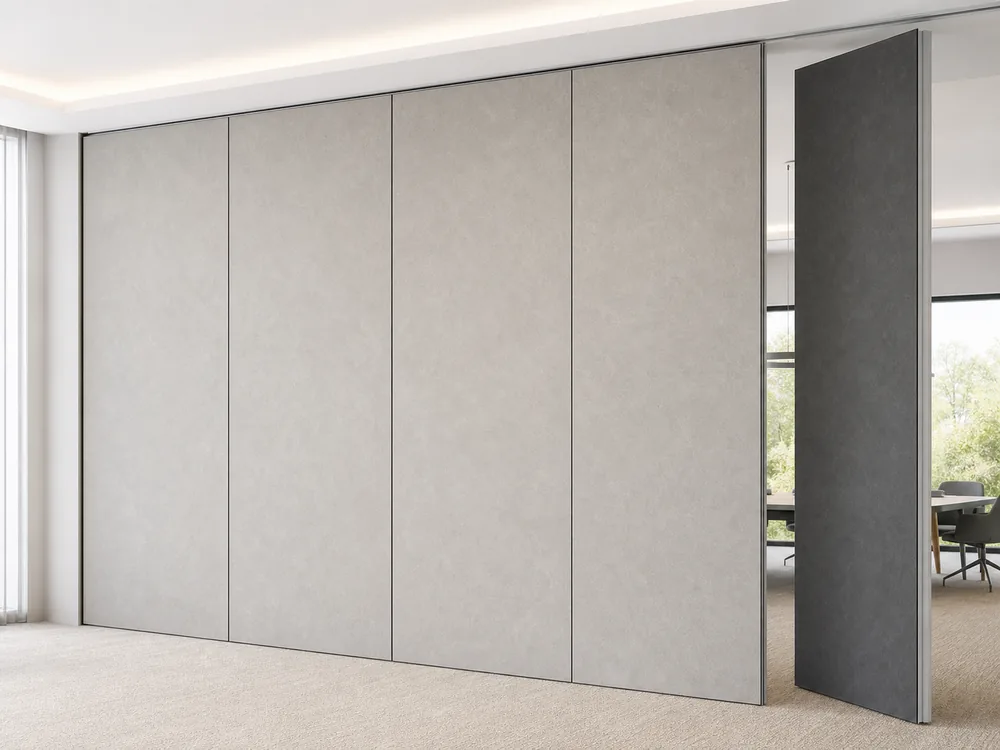
A physically uninterrupted floor is a handover condition, not a promise about every trade on site. The EBUNGE top-hung system does not require a floor track along the partition line. That keeps the finished floor free of a continuous running track and its associated operating hardware.
For the touch-up kit, this means the floor finish is not planned around a cut line for a floor track. The kit should still reflect the actual finish materials selected for the project, because cleaning and maintenance methods vary with the selected finish.
During tender handover partition finishes touch planning, separate the floor condition from the overhead condition. The floor is not cut or damaged for a floor track under the maintained EBUNGE top-hung system. The overhead path and its supports remain drawing-controlled items.
Do not treat the uninterrupted floor as evidence for any other performance claim. It is a physical description of how the maintained top-hung system relates to the finished floor. The exact route, junction arrangement, continuous overhead path and parking position must be confirmed from the coordinated project drawings.
Plan parking and stacking early
Panel parking style can be customized to the customer layout and project requirements, subject to coordinated drawings. That flexibility is useful during tender handover because parking affects the surrounding finishes and the touch-up kit scope.
A suitable approved parking arrangement can use the stacking area more compactly and coordinate with the space design. The exact track, support and panel layout still require project drawings. Handover notes should identify the approved parking position and the finish surfaces near it.
Use the following checklist to keep parking decisions visible during tender handover partition finishes touch planning:
- Record the approved parking position from the coordinated drawings.
- List finish surfaces adjacent to the stacking area.
- Note the finish-specific cleaning and maintenance method for each surface.
- Confirm that the touch-up kit covers finishes affected by parking coordination.
- Keep drawing references with the handover pack.
Parking is not a generic sequence. It is a drawing-controlled arrangement. The exact route, junction arrangement, continuous overhead path and parking position must be confirmed from the coordinated project drawings.
Coordinate finishes and care methods
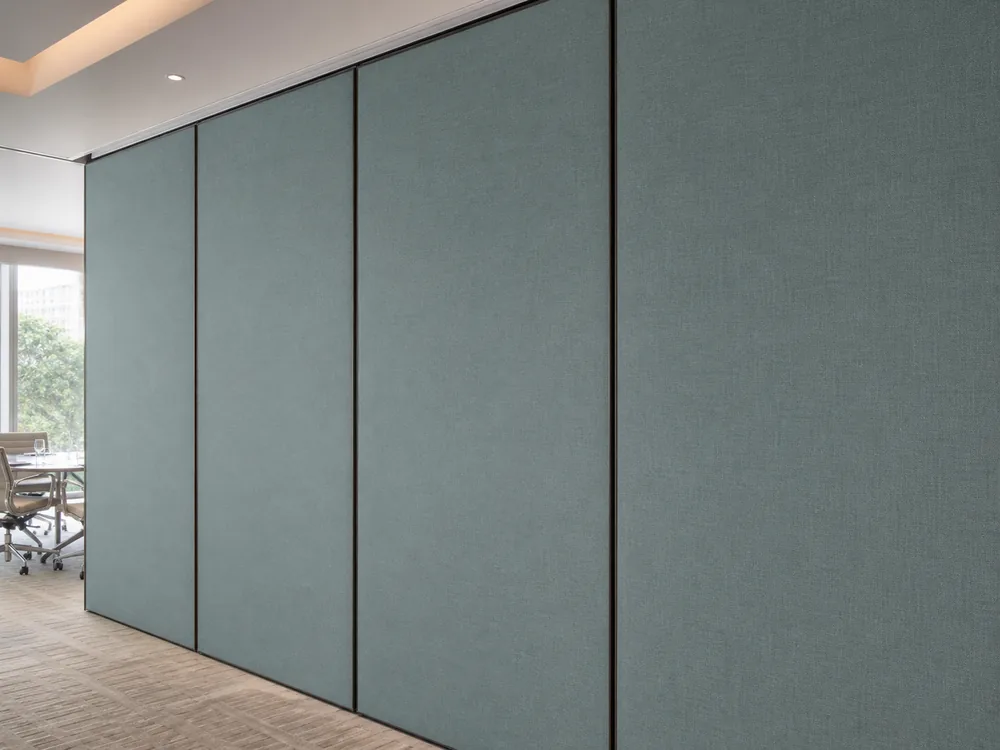
Finish materials can be customized, and cleaning and maintenance methods vary with the selected finish. That confirmed fact should shape the touch-up kit and the handover instructions.
Do not assume one care method applies to every finish. The selected finish determines the cleaning and maintenance approach. The touch-up kit should be planned against those selected finishes, not against a default material list.
For tender handover partition finishes touch documentation, create a simple finish schedule that pairs each selected finish with its care method. Keep the schedule with the coordinated drawings so the handover pack stays consistent.
| Handover item | What to record |
|---|---|
| Selected finish | The finish material confirmed for the project |
| Care method | The cleaning and maintenance method for that finish |
| Touch-up scope | The surfaces covered by the kit |
| Drawing reference | The coordinated drawing that governs the area |
This table is a planning aid. It does not replace the coordinated project drawings. The exact route, junction arrangement, continuous overhead path and parking position must be confirmed from the coordinated project drawings.
Use non-limiting application examples
EBUNGE has completed many types of hotel-related movable-partition projects. Ballrooms, wedding halls and multifunction halls are non-limiting examples. No customer names, locations, quantities, ratings, certifications or outcomes may be inferred from that statement.
For tender handover partition finishes touch planning, these examples show where flexible space division, combination or reconfiguration may be required. They do not limit where movable partitions can be used.
Each application still depends on its own coordinated drawings. The finish selection, parking arrangement and care method are project-specific. The touch-up kit should follow those project-specific decisions.
Review the movable partition product range and the completed project references to understand the available system types and application contexts. Then return to the drawings for the actual handover scope.
Collect buyer inputs before tender handover
Buyer inputs drive the handover pack. Before tender handover partition finishes touch is finalized, collect the layout requirements, the intended parking approach and the selected finish information.
Ask the buyer to confirm how the space will be divided, combined or reconfigured. Ask which finish materials have been selected. Ask where the approved parking area is expected to sit within the layout.
These inputs feed the coordinated drawings. They also tell the finishing trade which surfaces may need touch-up coverage. Without them, the handover pack relies on assumptions that the drawings may not support.
Keep every input traceable. The exact route, junction arrangement, continuous overhead path and parking position must be confirmed from the coordinated project drawings.
Close the loop with drawing approvals
Drawing approvals are the control point for tender handover partition finishes touch. The approved drawings define the overhead path, the parking position and the interfaces that affect finishes.
Do not release a touch-up kit scope before the relevant drawings are coordinated and approved. The kit should reflect the approved layout, not an early concept.
Use a short approval checklist to keep the handover pack aligned:
- Confirm the coordinated drawing set is current.
- Confirm the approved parking position is marked.
- Confirm the selected finishes are listed with their care methods.
- Confirm the touch-up kit scope matches the approved surfaces.
- Confirm the handover pack references the approved drawings.
This checklist supports handover discipline. It does not replace project-specific engineering review. The exact route, junction arrangement, continuous overhead path and parking position must be confirmed from the coordinated project drawings.
Frequently asked questions
What does tender handover partition finishes touch mean?
It means planning the handover of finish touch-up kits alongside the partition system documentation. The focus is on the selected finishes, their care methods and the coordinated drawings that govern the installation area.
Does the EBUNGE top-hung system cut the finished floor?
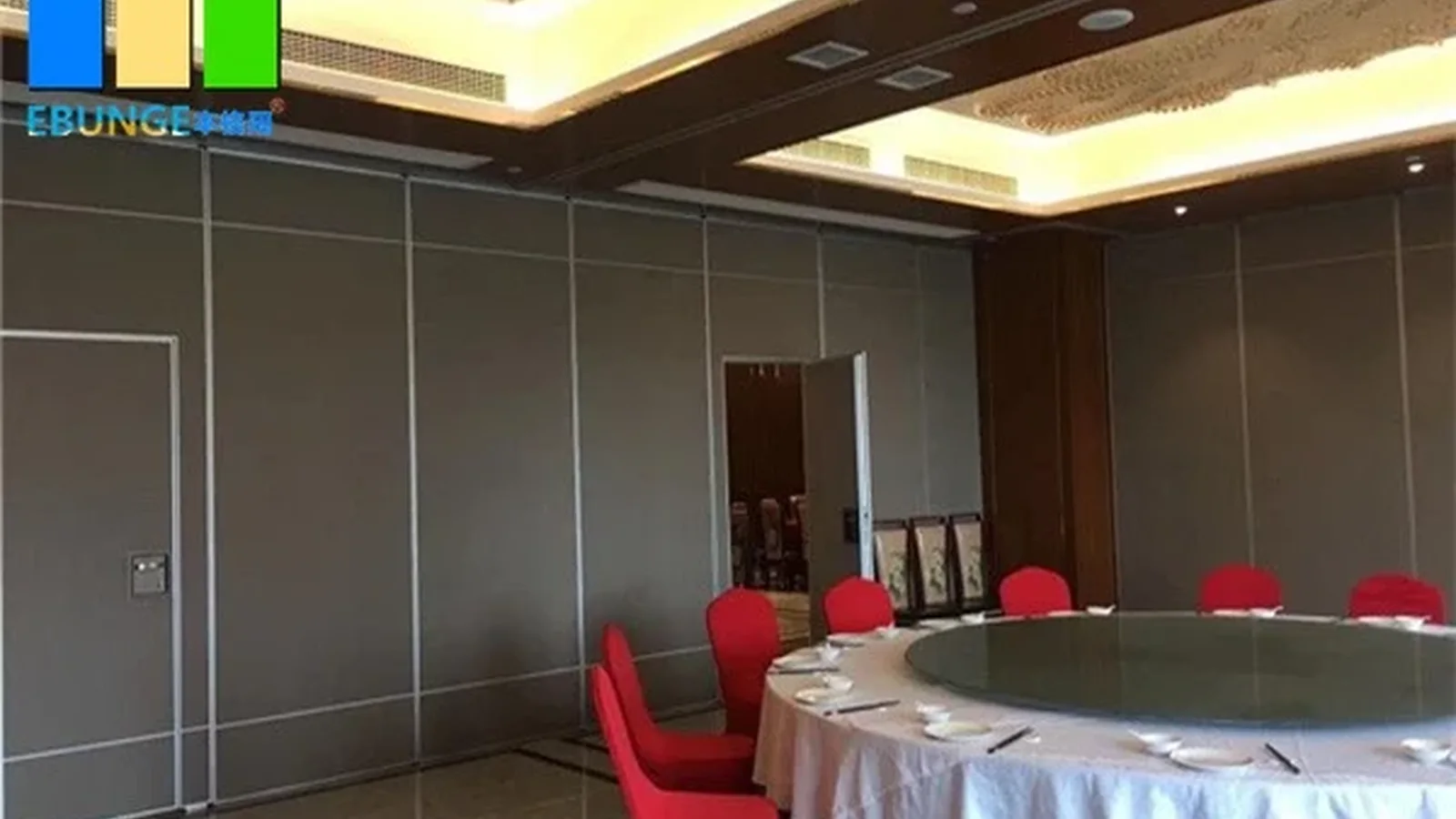
No. The EBUNGE movable partition system is top-hung and has no continuous floor running track or operating hardware in the finished floor along the partition line. The floor is not cut or damaged for a floor track.
Can parking style be customized for the layout?
Yes. Panel parking style can be customized to the customer layout and project requirements, subject to coordinated drawings. The exact track, support and panel layout still require project drawings.
Do all finishes use the same cleaning method?
No. Finish materials can be customized, and cleaning and maintenance methods vary with the selected finish. The touch-up kit and handover notes should reflect the specific finishes selected for the project.
Which applications are relevant?
Movable partitions can be used wherever flexible space division, combination or reconfiguration is required. Hotel-related examples include ballrooms, wedding halls and multifunction halls, but these examples are not limiting.
What must be confirmed from the coordinated drawings?
The exact route, junction arrangement, continuous overhead path and parking position must be confirmed from the coordinated project drawings. Finish and care details should also align with the approved project information.
Continue Exploring
More Cost and Planning Guides
- Newer guideSpecifying Manual Partition Operation in Contractor Tender Documents
- Earlier guideContractor Tender Handover: Partition Stacking Zone Signage
- Related guideReading a Movable Partition Tender for Hidden Interface Assumptions
- Related guideReview a Movable Partition Tender for Unclear Interface Ownership