
Quick project answer
Restaurant partition seals grease filter edge drawings are often requested together because food-service spaces need flexible division without cutting the finished floor. The EBUNGE movable partition system is top-hung and has no continuous floor running track or operating hardware in the finished floor along the partition line. This article explains how to coordinate restaurant partition seals grease filter details with parking, finishes and project drawings.
Top-Hung Principle for Restaurant Spaces
The EBUNGE movable partition system is top-hung. The floor is not cut or damaged for a floor track and remains physically uninterrupted by the maintained EBUNGE top-hung system. This matters in dining rooms, private rooms and service zones where floor finishes must stay continuous.
Movable partitions can be used wherever flexible space division, combination or reconfiguration is required. Application examples are not limiting. For restaurant partition seals grease filter edge drawings, the overhead path and support condition still require coordinated project drawings.

The exact route, junction arrangement, continuous overhead path and parking position must be confirmed from the coordinated project drawings.
Physically Uninterrupted Floor and Grease Filter Edges
A top-hung system keeps the finished floor free of a continuous floor track along the partition line. That helps when grease filter edges, floor drains or kitchen-adjacent finishes must remain undisturbed. The floor remains physically uninterrupted by the maintained EBUNGE top-hung system.
Restaurant partition seals grease filter edge drawings should show how the partition line relates to adjacent ceiling features and filter edges. The drawings do not replace project-specific engineering. They record the coordinated intent for review.
The exact route, junction arrangement, continuous overhead path and parking position must be confirmed from the coordinated project drawings.
Parking Planning and Stacking Area Coordination
Panel parking style can be customized to the customer layout and project requirements, subject to coordinated drawings. A suitable approved parking arrangement can use the stacking area more compactly and coordinate with the space design. The exact track, support and panel layout still require project drawings.
For restaurant partition seals grease filter edge drawings, parking location affects how the open dining area reads. The stacking area should be reviewed with the ceiling plan and the adjacent finishes. No universal parking position applies to every project.
The exact route, junction arrangement, continuous overhead path and parking position must be confirmed from the coordinated project drawings.
Finish and Care Coordination
Finish materials can be customized, and cleaning and maintenance methods vary with the selected finish. Restaurant partition seals grease filter edge drawings should note the selected finish so that care instructions can be matched to it. The drawings do not confirm any cleaning outcome.
Because cleaning and maintenance methods vary with the selected finish, the project team should record the chosen finish and the corresponding care method. This is a coordination task, not a performance claim. The exact route, junction arrangement, continuous overhead path and parking position must be confirmed from the coordinated project drawings.
Non-Limiting Application Examples
EBUNGE has completed many types of hotel-related movable-partition projects. Ballrooms, wedding halls and multifunction halls are non-limiting examples. No customer names, locations, quantities, ratings, certifications or outcomes may be inferred.
Restaurant partition seals grease filter edge drawings can follow the same coordination logic used in hospitality projects. Movable partitions can be used wherever flexible space division, combination or reconfiguration is required. Application examples are not limiting.
The exact route, junction arrangement, continuous overhead path and parking position must be confirmed from the coordinated project drawings.
Buyer Inputs for Drawing Approval
Buyers should provide the intended partition line, the parking area preference and the selected finish direction. These inputs help the project team prepare restaurant partition seals grease filter edge drawings for review. The drawings then support approval before any production step.
Panel parking style can be customized to the customer layout and project requirements, subject to coordinated drawings. A suitable approved parking arrangement can use the stacking area more compactly and coordinate with the space design. The exact track, support and panel layout still require project drawings.
The exact route, junction arrangement, continuous overhead path and parking position must be confirmed from the coordinated project drawings.
Drawing Approval and Project Records
Approval should be based on coordinated drawings that show the overhead path, parking position and finish selection. Restaurant partition seals grease filter edge drawings are part of that record. They help the team review the layout before committing to production.
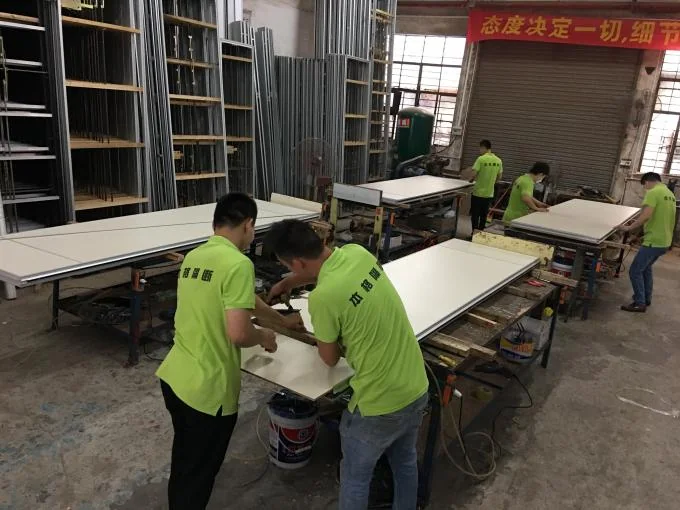
Finish materials can be customized, and cleaning and maintenance methods vary with the selected finish. The approved drawing set should reflect the final finish choice. The exact route, junction arrangement, continuous overhead path and parking position must be confirmed from the coordinated project drawings.
Scannable Checks and FAQ
- Confirm the partition line and parking area on the coordinated drawings.
- Record the selected finish and its care method.
- Review the overhead path and junction arrangement with the project team.
- Keep restaurant partition seals grease filter edge drawings in the approval record.
Restaurant partition seals grease filter edge drawings support coordination; they do not replace project-specific engineering review.
| Input | Purpose | Status |
|---|---|---|
| Partition line | Locates the top-hung path | To be confirmed |
| Parking area | Coordinates stacking space | To be confirmed |
| Finish selection | Matches care method | To be confirmed |
For further context, review related project guidance and additional planning resources before preparing the coordinated project brief.
What does restaurant partition seals grease filter mean in a drawing set?
It refers to the coordinated drawing package that shows the partition line, adjacent grease filter edges and related ceiling conditions for review.
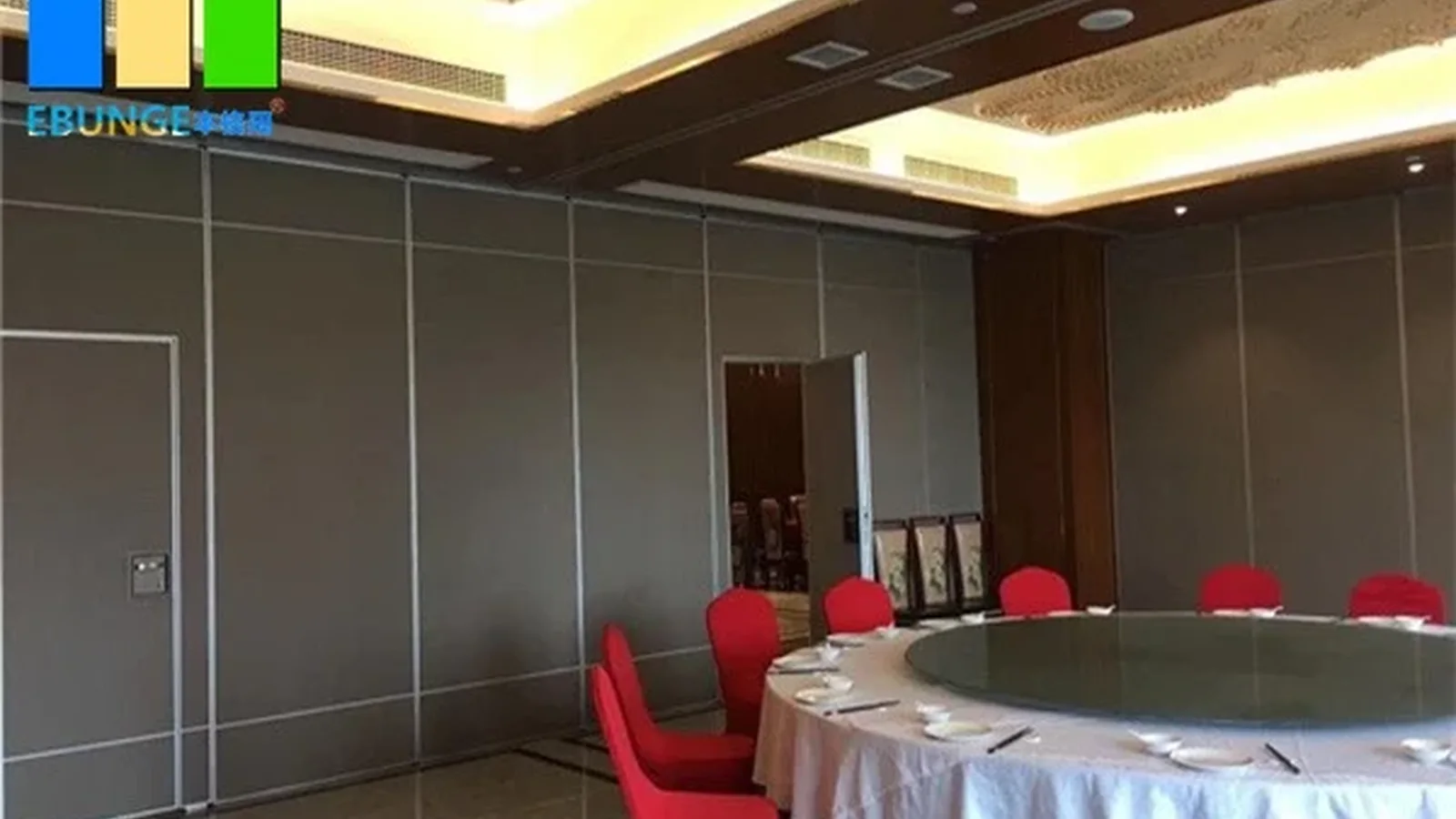
Does the EBUNGE system need a floor track?
No. The EBUNGE movable partition system is top-hung and has no continuous floor running track or operating hardware in the finished floor along the partition line.
Can the parking style be customized?
Yes. Panel parking style can be customized to the customer layout and project requirements, subject to coordinated drawings.
Are finish materials customizable?
Yes. Finish materials can be customized, and cleaning and maintenance methods vary with the selected finish.
Where can movable partitions be used?
Movable partitions can be used wherever flexible space division, combination or reconfiguration is required. Application examples are not limiting.
What should be confirmed before approval?
The exact route, junction arrangement, continuous overhead path and parking position must be confirmed from the coordinated project drawings.
The exact overhead route and support arrangement must be confirmed by the responsible project team from coordinated drawings.. Restaurant partition seals grease filter edge drawings remain a coordination tool for the project team.
Continue Exploring
More Acoustic Partition Guides
- Newer guideSports Hall Partition Seals: Ceiling PA Speakers Drawings
- Earlier guideRestaurant Function Room Partition Seal Grease Air Path Planning
- Related guideAcoustic Partition Ceiling Interface Zone Confirmation
- Related guideWho Confirms Ceiling Grid Line Before Acoustic Partition Track