
Quick project answer
Community hall partition track maintenance begins with understanding how the system is supported. The EBUNGE movable partition system is top-hung. It has no continuous floor running track or operating hardware in the finished floor along the partition line. This single fact shapes inspection priorities, cleaning routines and the questions a buyer should bring to a project meeting.
What Top-Hung Means for Community Hall Partition Track Maintenance
In a top-hung arrangement, the panels hang from an overhead track rather than rolling on the floor. The floor is not cut or damaged for a floor track. It remains physically uninterrupted by the maintained EBUNGE top-hung system. For community halls, that continuity matters because the floor often serves many activities across a single day.
Community hall partition track maintenance therefore focuses on the overhead path and the panel parking area, not on floor channels. The exact route, junction arrangement, continuous overhead path and parking position must be confirmed from the coordinated project drawings. Those drawings define what the maintenance walk-through should check.

Because the system is top-hung, the finished floor along the partition line does not carry operating hardware. This does not remove the need for care. It changes where that care is directed. A maintenance review should follow the drawings rather than assume a generic sequence applies to every project.
Why a Physically Uninterrupted Floor Matters in Daily Use
A community hall may host meetings, classes, markets, rehearsals and social events in the same week. When the floor is not cut for a track, the surface remains continuous across the partition line. Chairs, tables and temporary staging can be arranged without working around a floor channel.
Community hall partition track maintenance planning should still respect the approved layout. The floor is uninterrupted, but the overhead track, support and panel parking arrangement are project-specific. The exact route, junction arrangement, continuous overhead path and parking position must be confirmed from the coordinated project drawings.
Buyers sometimes ask whether the absence of a floor track means the system can be moved without any planning. It does not. The top-hung principle removes floor hardware from the partition line, but the overhead path and parking zone remain part of the coordinated design.
Parking Planning for Panels in a Community Hall
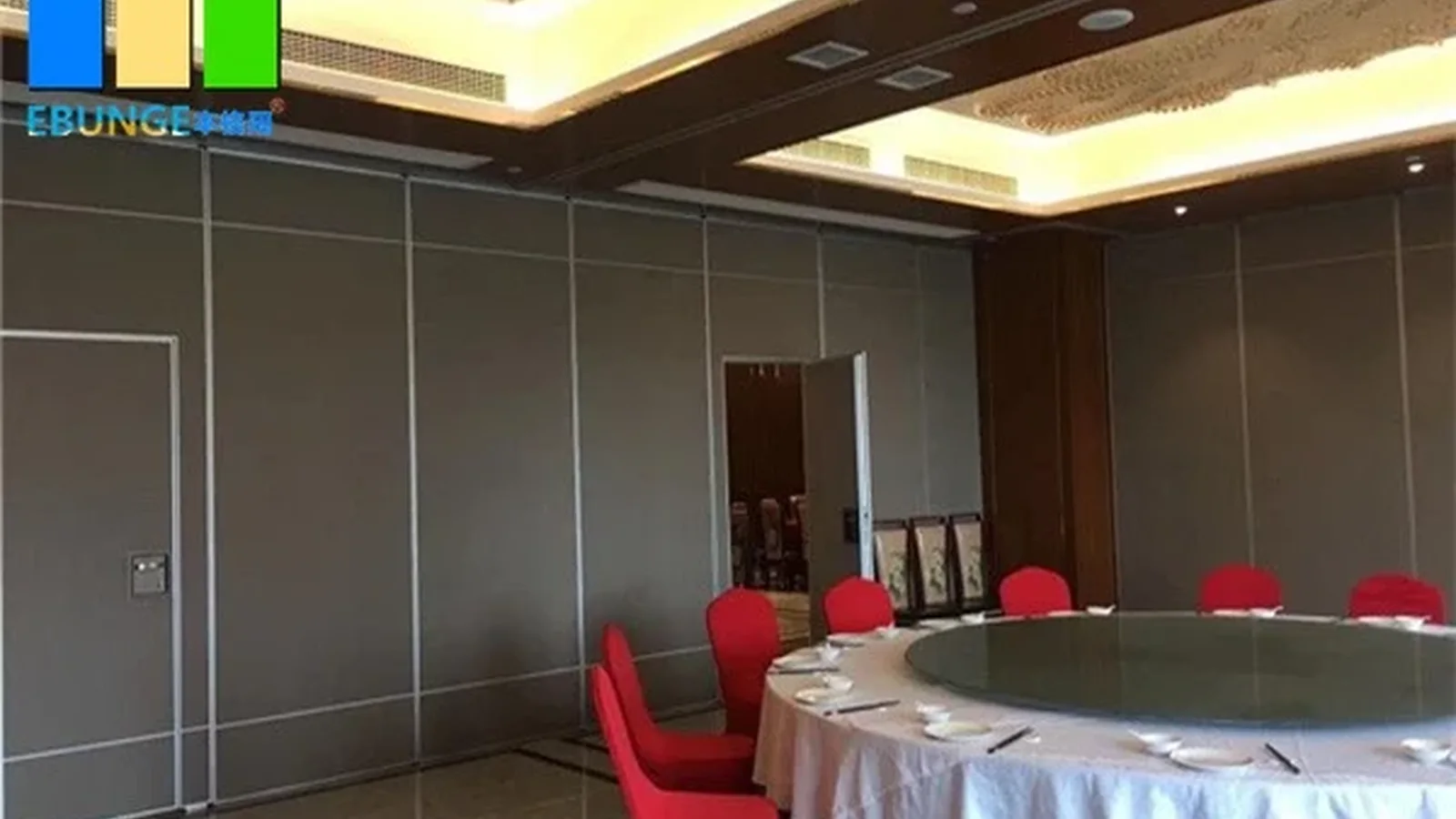
Panel parking style can be customized to the customer layout and project requirements, subject to coordinated drawings. A suitable approved parking arrangement can use the stacking area more compactly and coordinate with the space design. The exact track, support and panel layout still require project drawings.
For community hall partition track maintenance, the parking area is a practical inspection zone. It is where panels rest when the hall is open. The drawings should show how that zone relates to doors, circulation routes and fixed furniture.
Parking choices are not universal. A layout that suits one hall may not suit another. The confirmed position comes from the coordinated drawings, not from a default assumption. Community hall partition track maintenance should begin from that approved information.
Finish and Care Coordination
Finish materials can be customized, and cleaning and maintenance methods vary with the selected finish. This means community hall partition track maintenance instructions should match the finish actually supplied. A method that suits one surface may not suit another.
When reviewing care routines, confirm the finish schedule against the project documents. The exact route, junction arrangement, continuous overhead path and parking position must be confirmed from the coordinated project drawings. Finish care and track inspection are separate but related parts of the same handover.
Because cleaning methods vary with the selected finish, a single generic routine is not appropriate. The maintenance plan should reference the approved finish and the approved layout together.
Non-Limiting Applications for Movable Partitions
Movable partitions can be used wherever flexible space division, combination or reconfiguration is required. Application examples are not limiting. EBUNGE has completed many types of hotel-related movable-partition projects. Ballrooms, wedding halls and multifunction halls are non-limiting examples.
Community halls share the same broad need for flexible division. A hall may need one large room for an event and smaller rooms for meetings on another day. Community hall partition track maintenance supports that flexibility by keeping the overhead path and parking zone in view.
No customer names, locations, quantities, ratings, certifications or outcomes may be inferred from these examples. They describe project types, not performance claims. The exact route, junction arrangement, continuous overhead path and parking position must be confirmed from the coordinated project drawings.
Buyer Inputs and Drawing Approvals
Useful buyer inputs include the hall layout, the intended parking zone, the selected finish and the way the space will be used. These inputs feed into coordinated drawings. Community hall partition track maintenance then follows the approved documents rather than a generic checklist.
Approval should cover the overhead path, the parking position and the finish schedule. The exact route, junction arrangement, continuous overhead path and parking position must be confirmed from the coordinated project drawings. This boundary sentence applies to every engineering detail outside the confirmed facts.
Before handover, confirm which drawings are current. Community hall partition track maintenance depends on those drawings remaining the reference point. If the layout changes, the drawings should be updated before maintenance routines are adjusted.
Inspection Points That Follow the Confirmed Facts
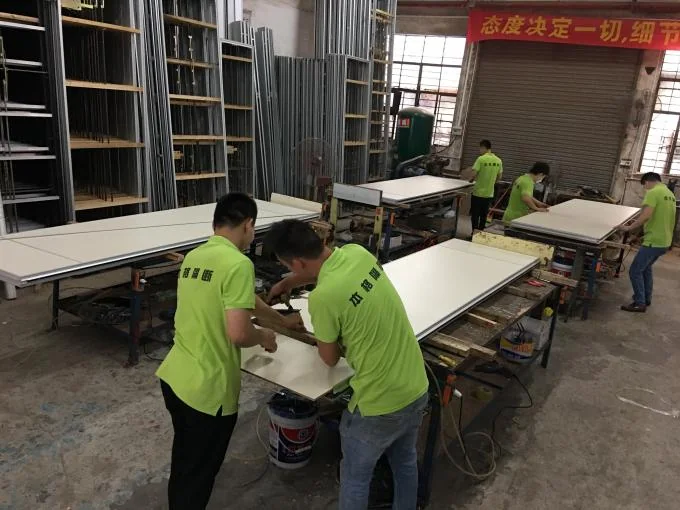
- Confirm the system is top-hung and that no floor track runs along the partition line.
- Check that the finished floor remains physically uninterrupted by the maintained EBUNGE top-hung system.
- Review the approved parking arrangement and its relationship to the stacking area.
- Match cleaning and maintenance methods to the selected finish.
- Keep the coordinated project drawings as the reference for the overhead path and parking position.
Questions to Ask Before Maintenance Planning
- Which coordinated drawings show the approved overhead path and parking position?
- Which finish was supplied, and what care method does it require?
- How will the hall be used across a typical week?
- Which areas of the floor must remain clear when the hall is open?
- Who holds the current approved drawing set after handover?
Drawing Reference Summary
| Item | Confirmed position |
|---|---|
| Support principle | Top-hung EBUNGE movable partition system |
| Floor along partition line | No continuous floor running track or operating hardware |
| Parking style | Customized to layout and project requirements, subject to coordinated drawings |
| Finish | Customizable; cleaning and maintenance methods vary with the selected finish |
| Engineering details | The exact route, junction arrangement, continuous overhead path and parking position must be confirmed from the coordinated project drawings. |
Community hall partition track maintenance is a drawing-led activity: confirm the top-hung path, the uninterrupted floor and the approved parking zone before setting routines.
FAQ: Community Hall Partition Track Maintenance
Does the EBUNGE movable partition system use a floor track?
No. The EBUNGE movable partition system is top-hung and has no continuous floor running track or operating hardware in the finished floor along the partition line.
Is the floor cut or damaged for a floor track?
The floor is not cut or damaged for a floor track and remains physically uninterrupted by the maintained EBUNGE top-hung system.
Can panel parking be customized?
Panel parking style can be customized to the customer layout and project requirements, subject to coordinated drawings. The exact track, support and panel layout still require project drawings.
Do cleaning methods vary by finish?
Finish materials can be customized, and cleaning and maintenance methods vary with the selected finish. The care routine should match the finish actually supplied.
Where can movable partitions be used?
Movable partitions can be used wherever flexible space division, combination or reconfiguration is required. Application examples are not limiting.
What should be confirmed from project drawings?
The exact route, junction arrangement, continuous overhead path and parking position must be confirmed from the coordinated project drawings.
For related system information, see the operable wall system page and the projects page. Community hall partition track maintenance remains grounded in the confirmed top-hung principle, the physically uninterrupted floor and the approved coordinated drawings.
Continue Exploring
More Maintenance Guides
- Newer guideHotel Banquet Partition Ceiling Track Hangers Maintenance Checklist
- Earlier guideRoom Partition Track: Ceiling Chandelier Zones Inspection
- Related guidePlan Service Access to Operable Wall Tracks When Ceiling Hatches
- Related guideAcoustic Movable Partition Track Servicing Access