
Quick answer: function room partition seal maintenance
Review the project drawings for function room partition seal maintenance.
Function room partition seal maintenance banquet cart traffic is a scheduling problem, not a cleaning problem. Banquet carts move fast, often loaded, and they cross the same opening where movable partition panels park and seal. If maintenance windows ignore cart routes, the result is repeated contact, damaged seals, and unplanned downtime. This article sets out a planning framework that keeps seal care and cart movement from competing for the same minutes. The suitability of each route and parking arrangement depends on the approved layout, circulation, ceiling interfaces and operating sequence.
Why Seal Maintenance and Cart Traffic Conflict
Coordinate the current drawing set for function room partition seal maintenance.
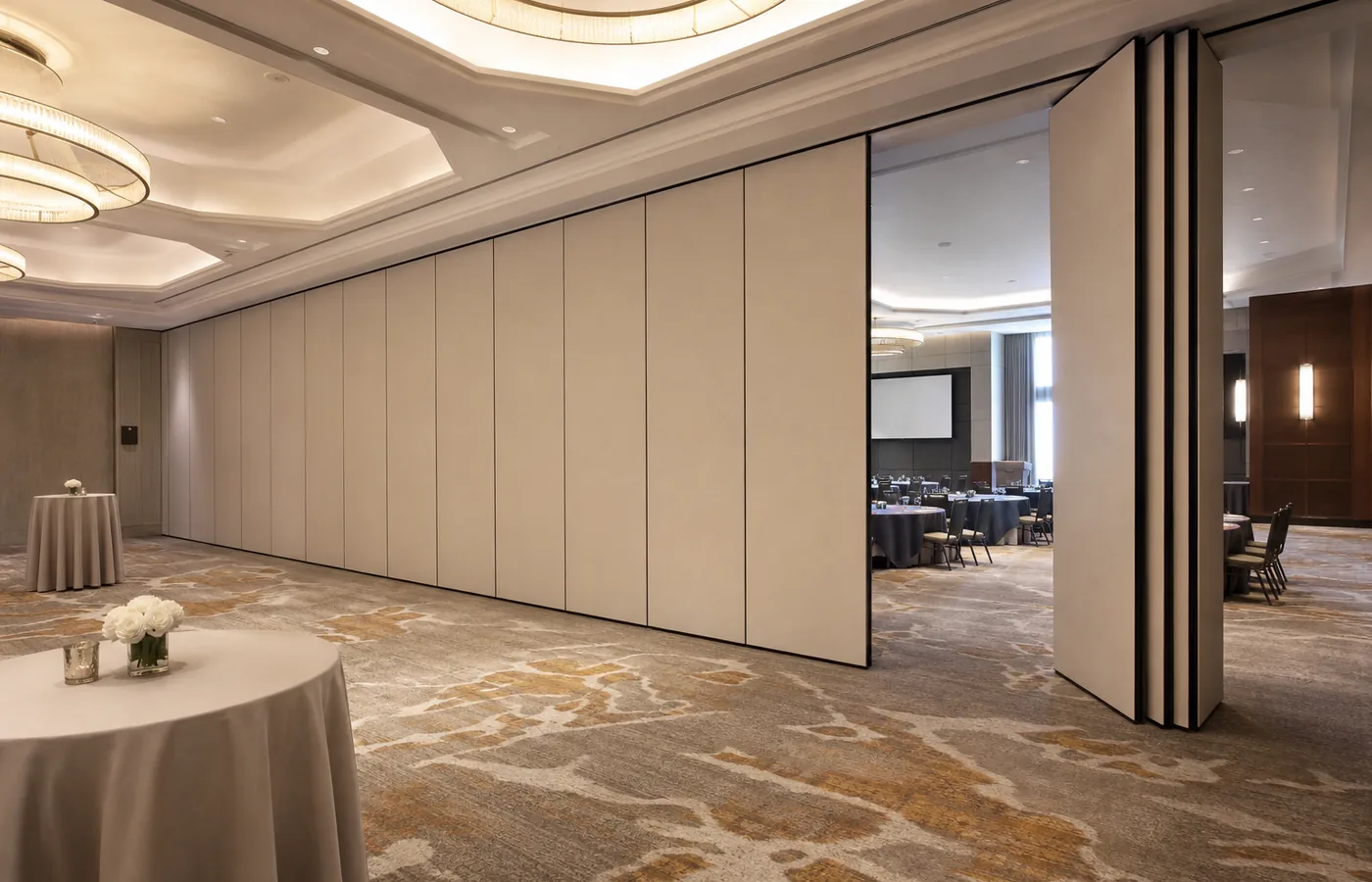
Movable wall panels are individually movable, suspended from a top track, and cross the opening without a floor track. They park at a planned stacking position. Seals sit at panel edges and interfaces, where they help close gaps between panels and at the perimeter. Banquet carts, by contrast, follow the shortest practical path through the same opening. When the partition is open, carts pass through. When the partition is closed, carts turn and queue elsewhere. The conflict appears during changeovers: panels are moved, seals are exposed, and carts are already rolling.
This is a layout and timing issue. The route that panels take to their stacking position and the route that carts take to the service door may cross. That crossing point is where seal maintenance should be scheduled, not improvised.
Start With the Layout, Not the Calendar
Record the drawing revision used for function room partition seal maintenance.
Before setting any maintenance date, review the room layout with the people who operate it. The goal is to identify where the partition route, the cart route, and the storage position interact.
Route review questions
- Where does the partition stack when the room is fully open?
- Which cart path passes closest to that stack?
- Are there turning points where a cart must reverse or pivot near panel edges?
- Does the pass-door location change how carts queue at the opening?
- Are there times when the partition is partly closed and carts still need to pass?
These questions do not require performance data. They require a walk-through and a marked-up plan. If the answers are unclear, the maintenance schedule is premature.
Build a Maintenance Window Around Cart Peaks
Keep project evidence attached to the function room partition seal maintenance review.
Seal maintenance needs access to panel edges and interfaces. That access is easiest when the partition is parked and the room is not in service. The practical approach is to map cart traffic peaks and place maintenance in the gaps.
Typical traffic pattern to verify
Most function rooms have a setup peak before an event, a service peak during the event, and a strike peak after. Cart movement is highest during setup and strike. Maintenance is least disruptive between events, when the room is empty and the stack is accessible. Confirm this pattern with the venue team; do not assume it.
If the room is used continuously, consider a rolling schedule: maintain one section of panels while the rest remain in service. This depends on the stacking arrangement and whether partial opening is part of the approved layout. Confirm with your project documentation.
Coordinate Access, Cleaning, and Cart Routing
Review the project drawings for function room partition seal maintenance.
Seal maintenance is not only about the seal. It is about reaching the seal without blocking carts or creating a new hazard. A simple coordination sequence helps.
- Confirm the maintenance date and the room’s event calendar.
- Mark the cart route and the panel route on the floor plan.
- Agree on a temporary cart diversion if the stack area must be accessed.
- Inspect panel edges and interfaces for visible damage or debris.
- Record what was observed and what was adjusted.
- Return the partition to its normal parked position and clear the route.
This sequence does not specify tools, chemicals, or manpower. Those are project-specific and should be confirmed with the responsible maintenance team.
What to Inspect Without Guessing Performance
Inspection should stay within visible evidence. You can look for gaps, misalignment, surface damage, or debris at panel edges. You can check whether panels meet cleanly and whether the perimeter interface looks consistent. Visible references can support layout discussion but do not verify hidden construction or performance.
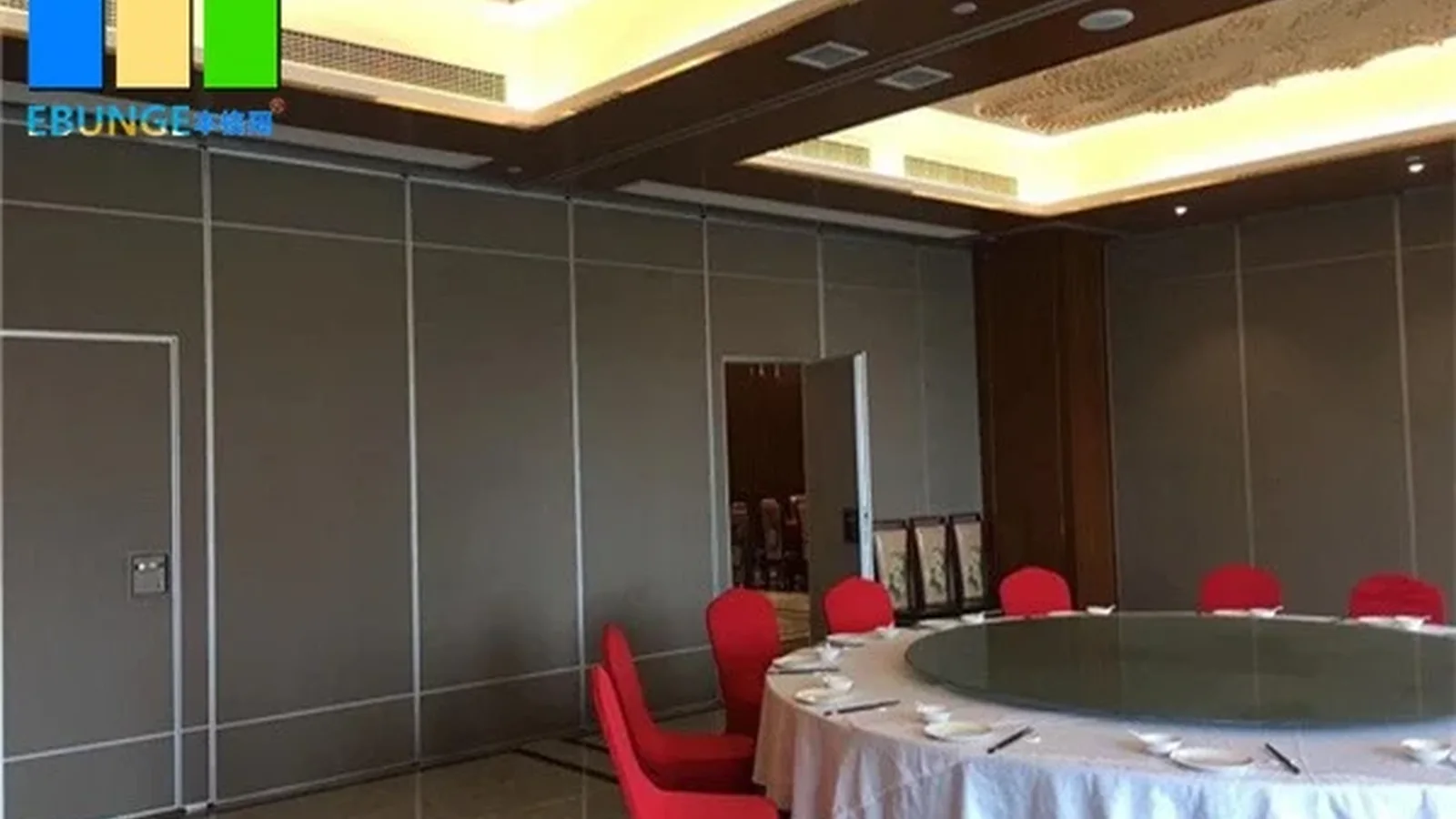
Evidence note: A clean, well-aligned seal is a maintenance observation, not a performance guarantee. Acoustic and dimensional requirements must be confirmed for each project.
Plan the Stacking Position as a Maintenance Zone
The stacking position is where panels rest when the room is open. It is also where seals are most exposed to cart traffic if the stack sits near a service route. Treat the stack as a maintenance zone with its own access rules.
Stacking zone checklist
- Is the stack protected from direct cart impact?
- Is there enough clearance to inspect panel edges?
- Does the cart route pass behind or in front of the stack?
- Can the stack be reached without moving unrelated furniture?
- Is the stacking position included in the room’s cleaning schedule?
Parking style is customized to the layout and project requirements. Compact stacking may be possible when the coordinated design permits it. Confirm the approved stacking arrangement before scheduling maintenance around it.
Documentation and Project-Specific Confirmation
Every function room is different. The track route, ceiling interface, finish selection, and pass-door requirements all affect how maintenance can be scheduled. Project documentation should show the approved layout, the stacking position, and any pass-door locations. If those documents are incomplete, ask for clarification before committing to a maintenance calendar.
Finish options include laminate, melamine, fabric, leather, glass, and other approved surfaces. Cleaning compatibility depends on the specific finish and the project’s maintenance instructions. Do not treat a generic finish example as evidence of cleaning compatibility.
FAQ: Scheduling Seal Maintenance Around Cart Traffic
How often should function room partition seals be maintained?
There is no universal interval. Frequency depends on cart traffic, event volume, and the condition observed during inspections. Set a review rhythm and adjust it based on what you find, not on a fixed promise.
Can maintenance happen while the room is in use?
Sometimes, if the layout allows partial opening and the stack remains accessible. This must be confirmed against the approved layout and the venue’s safety rules. Do not assume partial access is available.
Do banquet carts damage partition seals?
Carts can contact seals if the route crosses the stack or opening. The risk depends on clearance, cart size, and driver behavior. A route review is the first step to reducing contact.
What should be checked during a seal inspection?
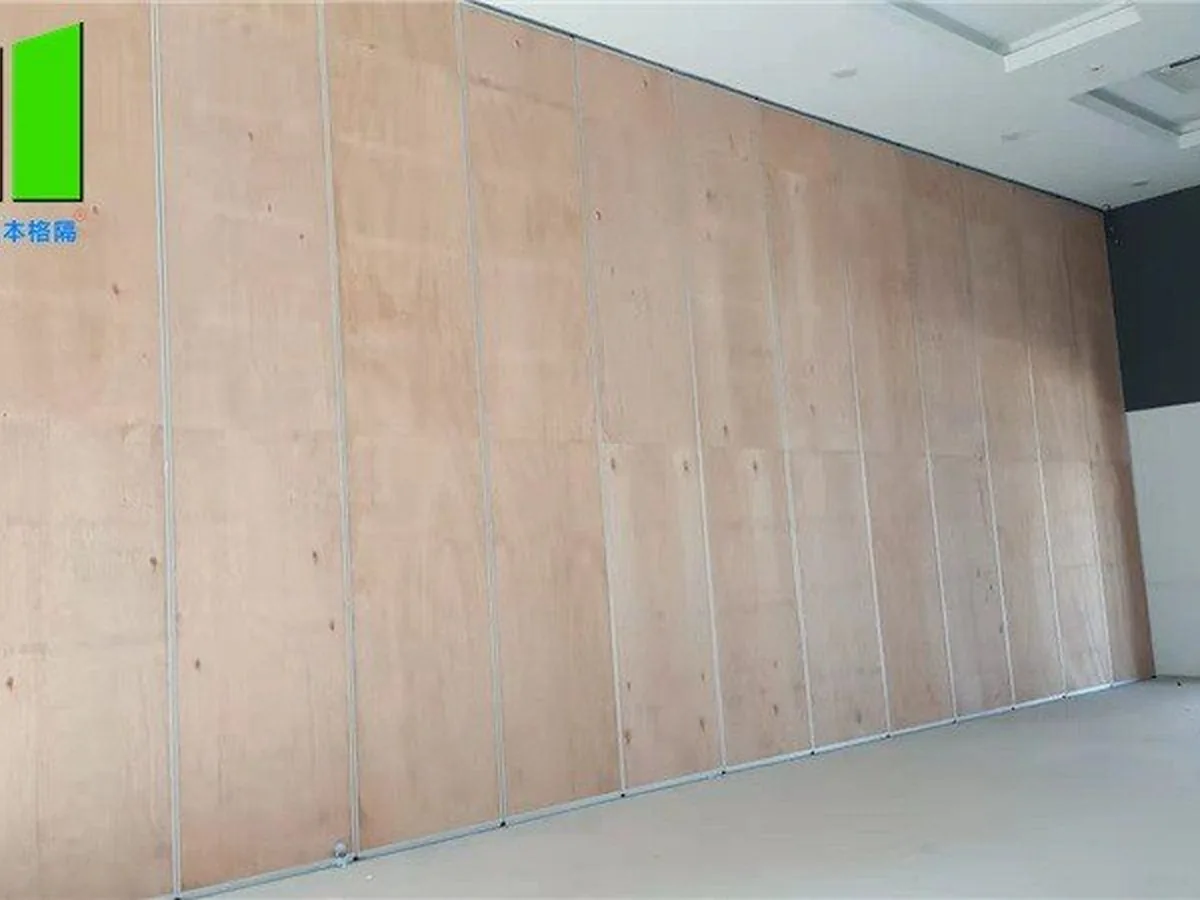
Look for visible gaps, misalignment, surface damage, and debris at panel edges and interfaces. Record observations.
Does seal maintenance affect acoustic performance?
STC and Rw are rating concepts, not a direct decibel count.
Who should approve the maintenance schedule?
The venue operator, the maintenance team, and the project coordinator should agree on access windows and cart routing. The approved layout and project documentation should guide the final schedule.
Conclusion: Schedule Around Movement, Confirm Around Evidence
Seal maintenance and banquet cart traffic can share a function room if the schedule respects the layout. Review routes, protect the stacking zone, and place maintenance in the gaps between cart peaks. For project-specific guidance on movable partition layout, finishes, and documentation, contact EBUNGE. .
Continue Exploring
More Acoustic Partition Guides
- Newer guideFunction Room Partition Seal Inspection Guide for Wall-Mounted Banquet
- Earlier guideSchool Auditorium Partition Seal Coordination Guide for Wall Speaker
- Related guideAcoustic Partition Ceiling Interface Zone Confirmation
- Related guideWho Confirms Ceiling Grid Line Before Acoustic Partition Track