
For facility managers and procurement teams in healthcare education, a healthcare training room partition maintenance checklist is essential to ensure that movable walls continue to operate smoothly and meet the demands of daily training sessions. These partitions, which are individually movable and suspended from a top track, cross the opening without a floor track, and park at a planned stacking position, require periodic inspection of their track systems, especially when floor recesses are present. This article provides a practical checklist tailored to healthcare training environments, emphasizing safety, functionality, and documentation.
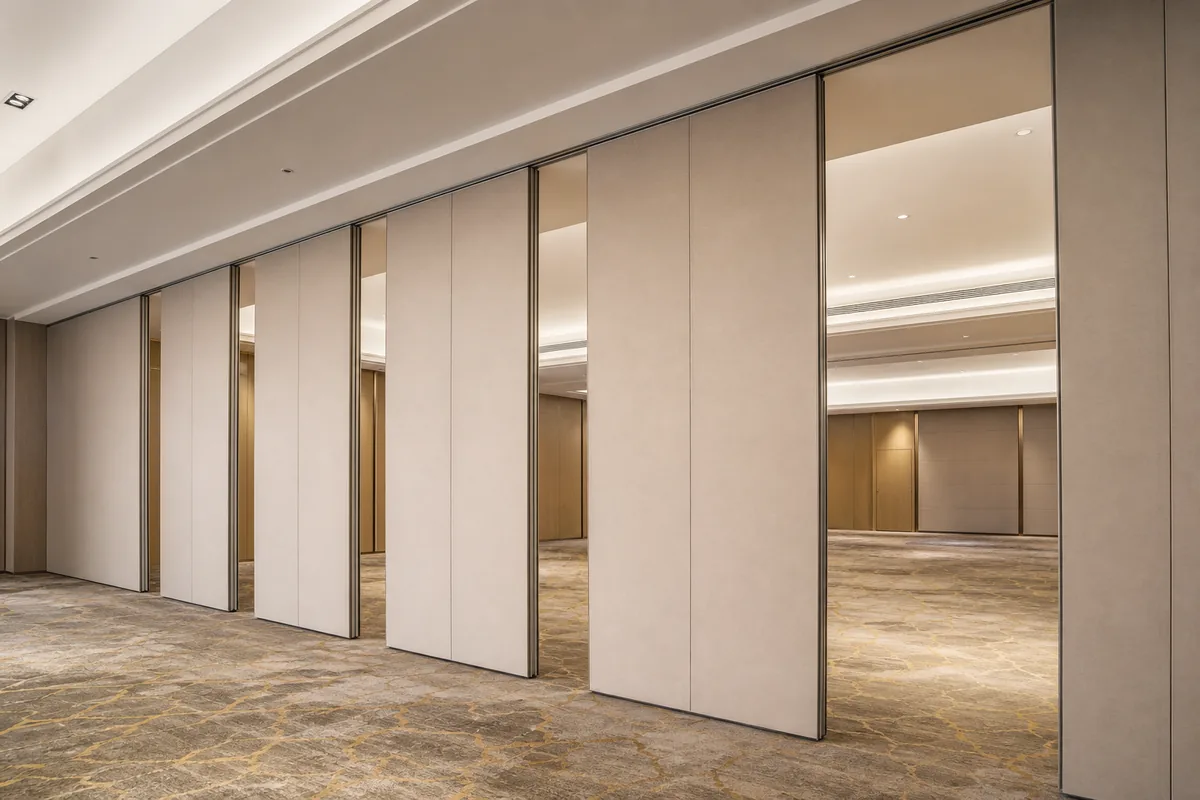
Understanding the Partition System in Healthcare Training Rooms
Healthcare training rooms often require flexible spaces that can accommodate lectures, simulations, and group work. Movable partition walls offer this flexibility by allowing rooms to be reconfigured quickly. These systems are suspended from an overhead track, which means they do not require a floor track to operate. Instead, they may have floor recesses or guides that help align panels when closed, but the primary support comes from above. Understanding this design is crucial for developing an effective maintenance checklist.
Key Components to Inspect
When creating a maintenance checklist, focus on the components that are critical to the partition’s operation: the top track, the panels themselves, the seals, and any floor recesses. Each component requires specific attention to ensure longevity and performance.
Why a Maintenance Checklist is Critical for Healthcare Facilities
Healthcare training facilities are subject to strict hygiene and safety standards. A well-maintained partition system not only ensures smooth operation but also prevents potential hazards such as panel misalignment or seal failure that could compromise infection control. Regular inspections help identify wear and tear early, reducing downtime and costly repairs.
Share the opening plan, stacking position and fixed obstructions.
Compliance and Documentation
Maintenance checklists also serve as documentation for compliance audits. Keeping detailed records of inspections and any corrective actions taken is essential for demonstrating due diligence in facility management.
The Core Maintenance Inspection Checklist
Below is a comprehensive checklist that facility teams can adapt to their specific partition system. It covers all critical areas and should be performed at regular intervals, typically quarterly or semi-annually, depending on usage intensity.
1. Top Track Inspection
Inspect the top track for any signs of wear, deformation, or obstruction. Check that the track is securely fastened to the structure and that there are no loose bolts or brackets. Ensure the track is clean and free of debris that could impede panel movement.
Track Alignment
Verify that the track is level and straight. Misalignment can cause panels to drift or bind, leading to excessive wear on hangers and seals.
2. Panel Condition and Movement
Examine each panel for physical damage, such as dents, scratches, or warping. Operate each panel individually to ensure it moves smoothly along the track. Listen for unusual noises that might indicate bearing issues or obstructions.
Hangers and Rollers
Check the hangers and rollers for signs of wear, such as flat spots or excessive play. Lubricate moving parts as recommended by the manufacturer, but avoid over-lubrication which can attract dust.
3. Floor Recesses and Guides
If your partition system includes floor recesses, inspect them for debris, damage, or misalignment. These recesses are designed to guide panels into place, and any obstruction can prevent proper sealing. Clean the recesses regularly and ensure they are free of water or moisture that could cause corrosion.
Seal Integrity
Check the perimeter seals on the panels. Seals are crucial for acoustic performance and hygiene. Look for cracks, gaps, or hardening that could compromise their effectiveness. Replace seals as needed, using materials approved by the partition manufacturer.
4. Stacking Area Condition
Inspect the stacking area where panels are parked when not in use. Ensure that the area is clean and that panels are stored without stress. Check that the stacking guides are aligned and that panels do not rub against each other.
5. Hardware and Fasteners
Inspect all visible hardware, including handles, locks, and any pass-door mechanisms. Tighten any loose fasteners and replace any damaged components. For pass-doors, verify that they open and close smoothly and that the latching mechanism works correctly.
6. Documentation and Records
Maintain a log of all inspections, including dates, findings, and actions taken. This record is valuable for tracking recurring issues and planning future maintenance.

Acoustic and Sealing Considerations
In healthcare training rooms, acoustic privacy is often important. The seals around movable partitions play a vital role in reducing sound transmission. However, it is important to understand that acoustic performance is measured using ratings like STC (Sound Transmission Class) or Rw (Weighted Sound Reduction Index). These ratings are determined through standardized tests and are not simply a direct count of decibels. Regular inspection of seals ensures that the partition maintains its intended acoustic performance, but actual results depend on the entire wall assembly and installation conditions.
Review the full panel route and parking footprint.
Seal Maintenance Tips
Keep seals clean and free of dust. Avoid using harsh chemicals that could degrade the seal material. If seals appear worn or compressed, consult with the partition supplier for replacement options.
Common Issues and Troubleshooting
Even with regular maintenance, issues can arise. Here are some common problems and suggested troubleshooting steps.
Panel Binding or Sticking
If panels are difficult to move, check for obstructions in the track or floor recesses. Also, inspect the hangers for damage. Sometimes, simple cleaning resolves the issue.
Track Obstruction
Remove any debris from the track. Ensure that the track is not deformed due to accidental impact.
Seal Gaps
If you notice light or sound leakage around the partition, inspect the seals for gaps. Adjust or replace seals as necessary. In some cases, the panel may need realignment.
Noisy Operation
Unusual noises often indicate a need for lubrication or a worn roller. Identify the source and address it promptly to prevent further damage.
Maintenance Schedule and Best Practices
Establishing a regular maintenance schedule is key to extending the life of your partition system. For healthcare training rooms with frequent use, consider monthly visual inspections and a more thorough check every quarter.
Visual Inspection
Monthly, conduct a quick visual check of the track, panels, and floor recesses. Look for obvious signs of damage or obstruction.
Detailed Inspection
Quarterly, perform a detailed inspection following the checklist above. This includes operating each panel and checking all hardware.
Professional Servicing
For complex issues or if you lack in-house expertise, consider engaging a professional service provider. They can perform more in-depth inspections and maintenance.
Project Documentation and Support
When commissioning a new partition system, ensure you receive comprehensive project documentation, including installation drawings, operation manuals, and maintenance guidelines. This documentation is invaluable for your maintenance team. If you have questions or need support, the manufacturer’s team can provide guidance tailored to your project.
Contacting the Manufacturer
For project-specific support, including maintenance advice and spare parts, contact the manufacturer directly. They can also assist with reviewing your layout to ensure proper maintenance access.
FAQ
How often should I inspect the partition track in a healthcare training room?
It is recommended to perform a visual inspection monthly and a detailed inspection quarterly. However, the frequency should be based on usage intensity and the manufacturer’s recommendations.
What are the signs that a partition seal needs replacement?
Signs include visible cracks, hardening, or gaps that allow light or sound to pass. If the seal no longer compresses properly, it should be replaced.
Can I clean the floor recesses with water?
It is best to remove dry debris first. If water is needed, ensure the area is completely dry afterward to prevent corrosion. Use mild cleaning agents if necessary.
Do I need to lubricate the track?
Lubrication depends on the track and hanger design. Some systems are self-lubricating. Consult the manufacturer’s instructions for guidance.
What should I do if a panel becomes misaligned?
Do not force the panel. Check for obstructions in the track or floor recesses. If the problem persists, contact a professional for realignment.
Conclusion
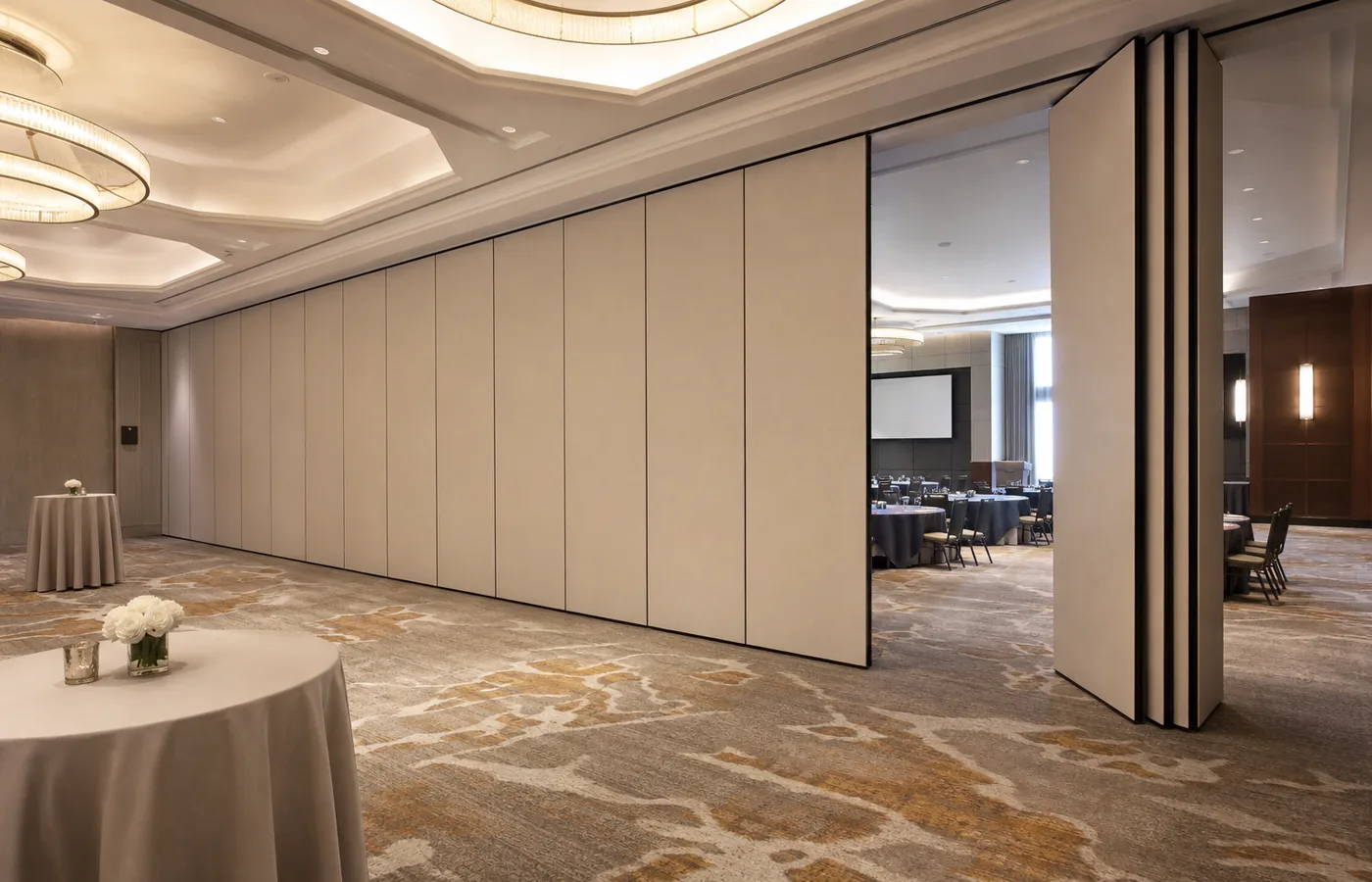
A proactive maintenance inspection checklist is vital for healthcare training room partition systems with floor recesses. By regularly inspecting the top track, panels, seals, and stacking areas, you can ensure smooth operation and a safe environment. Remember to keep detailed documentation and seek professional support when needed. For more information on partition systems and maintenance, explore our products and project examples. If you have specific requirements, contact us to discuss your needs.
Continue Exploring
More Maintenance Guides
- Newer guideWhat Maintenance Checklist Applies to Manual Partition Tracks in School Auditoriums
- Earlier guideWhat Maintenance Inspection Checklist Applies to Community Hall Partition Track with Floor Recesses
- Related guideWhat Maintenance Inspection Checklist Applies to Office Meeting Suite Partition Track at Ceiling-Mounted Rigging Point Zones
- Related guideWhat Maintenance Inspection Checklist Applies to University Auditorium Partition Stacking at Floor-Mounted Stage Pockets