
Start training with the confirmed top-hung principle
Quick project answer
Facility staff training manual operable wall operation should begin with the confirmed system principle rather than a generic sequence. The EBUNGE movable partition system is top-hung. That single fact shapes how staff should think about the partition line, the finished floor and the parking area.
Because the system is top-hung, there is no continuous floor running track or operating hardware in the finished floor along the partition line. The floor is not cut or damaged for a floor track. It remains physically uninterrupted by the maintained EBUNGE top-hung system.
Training should therefore separate what staff can observe from what must be confirmed in drawings. Staff can observe the overhead support condition and the clear floor. They should not assume that a generic operating sequence applies to every project.
The exact route, junction arrangement, continuous overhead path and parking position must be confirmed from the coordinated project drawings.
Explain the physically uninterrupted floor
A physically uninterrupted floor is a practical training point. Staff who understand that the floor is not cut or damaged for a floor track can protect the finished surface during daily use. They can also avoid looking for floor hardware that does not exist in the maintained EBUNGE top-hung system.
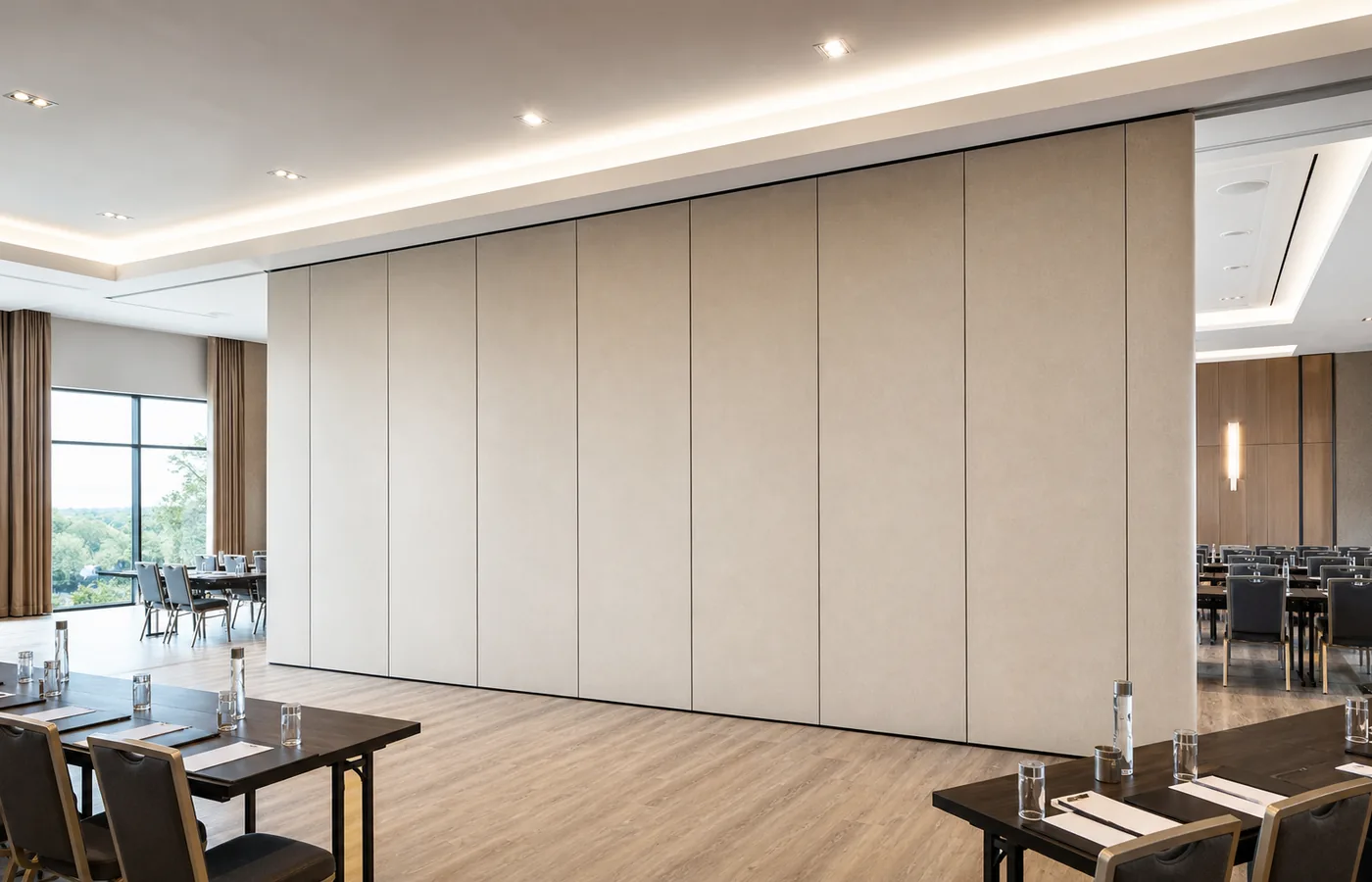
Training should describe the floor as a finished surface to be respected, not as a track zone. Cleaning and maintenance methods vary with the selected finish. Staff should follow the finish-specific care guidance rather than applying one method to every surface.
This distinction matters for facility staff training manual operable wall operation because the floor condition is part of the user experience. A clear floor also affects how furniture, trolleys and event equipment are moved near the partition line.
The exact route, junction arrangement, continuous overhead path and parking position must be confirmed from the coordinated project drawings.
Plan parking with the project layout
Panel parking style can be customized to the customer layout and project requirements, subject to coordinated drawings. Training should therefore connect parking behavior to the approved layout rather than to a default assumption.
A suitable approved parking arrangement can use the stacking area more compactly and coordinate with the space design. Staff should learn where the approved parking position sits in relation to the room, the circulation path and the adjacent areas.
The exact track, support and panel layout still require project drawings. Trainers should use those drawings as the reference document during walkthroughs and refresher sessions.
The exact route, junction arrangement, continuous overhead path and parking position must be confirmed from the coordinated project drawings.
Coordinate finish selection and care routines
Finish materials can be customized, and cleaning and maintenance methods vary with the selected finish. This confirmed fact should shape the care portion of facility staff training manual operable wall operation.
Staff should know which finish is installed in each area and which care method applies. They should not transfer a cleaning routine from one finish to another without confirmation.
Training can include a simple reference table that links each finish type to its approved care method. The table should be built from project information, not from general assumptions.
The exact route, junction arrangement, continuous overhead path and parking position must be confirmed from the coordinated project drawings.
Use non-limiting application examples
Movable partitions can be used wherever flexible space division, combination or reconfiguration is required. Application examples are not limiting. This helps trainers explain why the same top-hung principle may appear in different room types.
EBUNGE has completed many types of hotel-related movable-partition projects. Ballrooms, wedding halls and multifunction halls are non-limiting examples. No customer names, locations, quantities, ratings, certifications or outcomes may be inferred.
Trainers should use these examples to prompt discussion about local layouts and approved parking positions. They should not present any example as a performance claim or a standard configuration.
The exact route, junction arrangement, continuous overhead path and parking position must be confirmed from the coordinated project drawings.
Gather buyer and facility inputs before training
Effective facility staff training manual operable wall operation depends on inputs gathered before the session. The project team should collect the coordinated drawings, the approved parking arrangement and the finish-specific care guidance.
Buyers and facility managers should also confirm who will attend training and which areas each attendee will manage. This helps match the training content to daily responsibilities without inventing a universal procedure.
Useful inputs include the room schedule, the approved stacking area plan and the finish list. These documents support consistent communication across shifts and departments.
The exact route, junction arrangement, continuous overhead path and parking position must be confirmed from the coordinated project drawings.
Review drawing approvals and handover references
Drawing approvals are the backbone of facility staff training manual operable wall operation. The approved drawings define the overhead path, the parking position and the relationship between the partition and the surrounding space.
Trainers should walk through the approved drawings with staff and point out where the confirmed top-hung principle applies. They should also note that the floor is not cut or damaged for a floor track.
Handover references should include the finish-specific care guidance and the approved parking arrangement. Staff should know where to find these documents after the training session ends.
The exact route, junction arrangement, continuous overhead path and parking position must be confirmed from the coordinated project drawings.
Build a repeatable training structure
A repeatable structure helps facility staff training manual operable wall operation stay consistent across teams. The structure should focus on confirmed facts and approved documents rather than on assumed operating steps.
Trainers can organize sessions around the top-hung principle, the physically uninterrupted floor, the approved parking arrangement and finish-specific care. Each topic should reference the coordinated drawings.
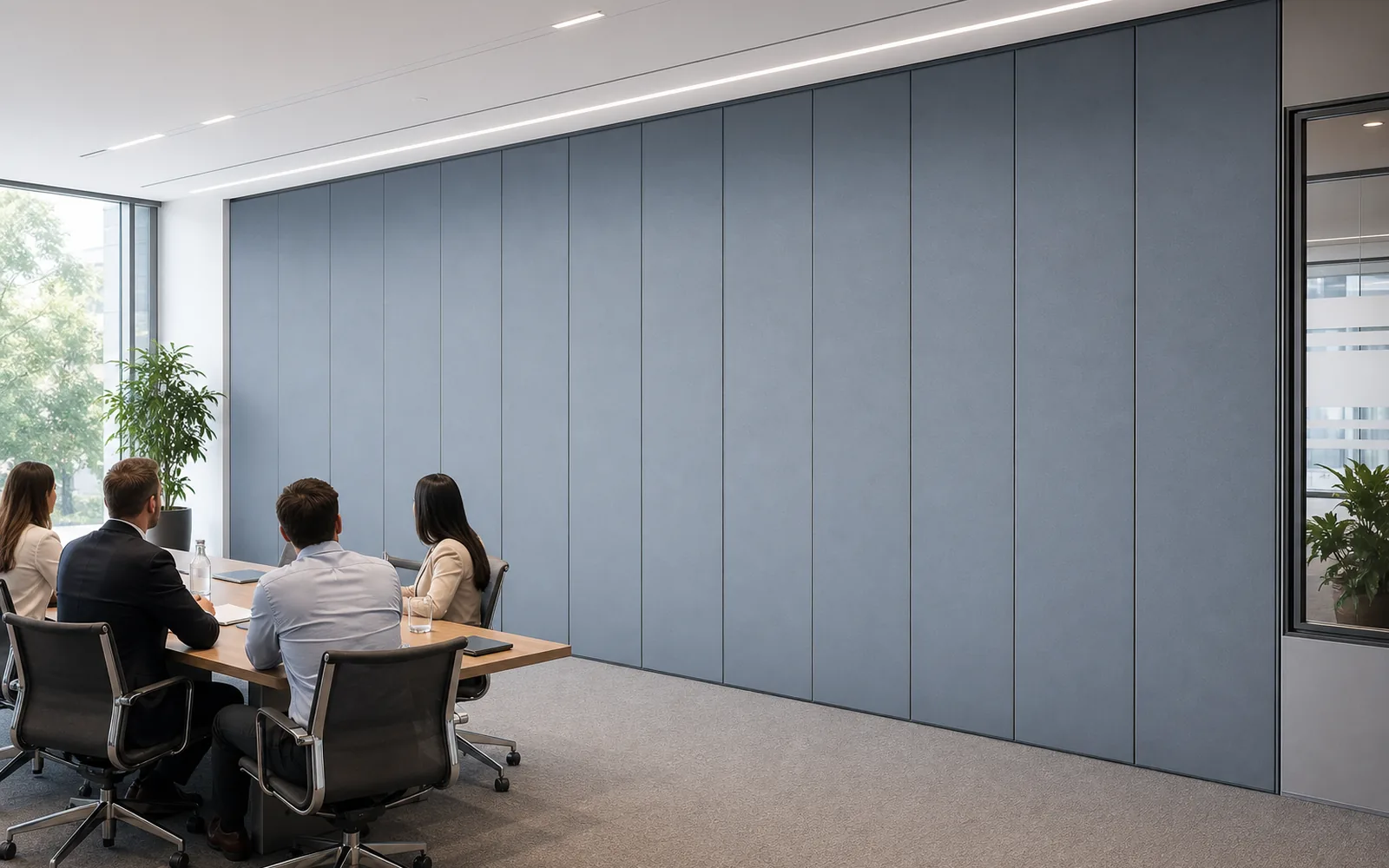
Refresher sessions can revisit the same documents when layouts or finishes change. The suitability of each route and parking arrangement depends on the approved layout, circulation, ceiling interfaces and operating sequence.
The exact route, junction arrangement, continuous overhead path and parking position must be confirmed from the coordinated project drawings.
Scannable training checklist
- Confirm the EBUNGE movable partition system is top-hung for the project.
- Explain that there is no continuous floor running track or operating hardware in the finished floor along the partition line.
- Show that the floor is not cut or damaged for a floor track and remains physically uninterrupted.
- Review the approved parking arrangement and stacking area plan.
- Match each finish to its finish-specific care method.
- Reference the coordinated project drawings during every session.
Training reference table
| Training topic | Confirmed reference | Document to use |
|---|---|---|
| System principle | Top-hung EBUNGE movable partition system | Coordinated project drawings |
| Floor condition | No continuous floor running track or operating hardware in the finished floor along the partition line | Coordinated project drawings |
| Parking | Parking style customized to layout and project requirements, subject to coordinated drawings | Approved parking arrangement |
| Finish care | Cleaning and maintenance methods vary with the selected finish | Finish-specific care guidance |
Frequently asked questions
What should facility staff training manual operable wall operation cover first?
Start with the confirmed top-hung principle. The EBUNGE movable partition system is top-hung, and there is no continuous floor running track or operating hardware in the finished floor along the partition line.
Does the floor need a track for this system?
No. The floor is not cut or damaged for a floor track and remains physically uninterrupted by the maintained EBUNGE top-hung system.
How should parking be explained during training?
Panel parking style can be customized to the customer layout and project requirements, subject to coordinated drawings. A suitable approved parking arrangement can use the stacking area more compactly and coordinate with the space design.
How do finishes affect staff care routines?
Finish materials can be customized, and cleaning and maintenance methods vary with the selected finish. Staff should follow the finish-specific care guidance for each installed finish.
Which applications can trainers use as examples?
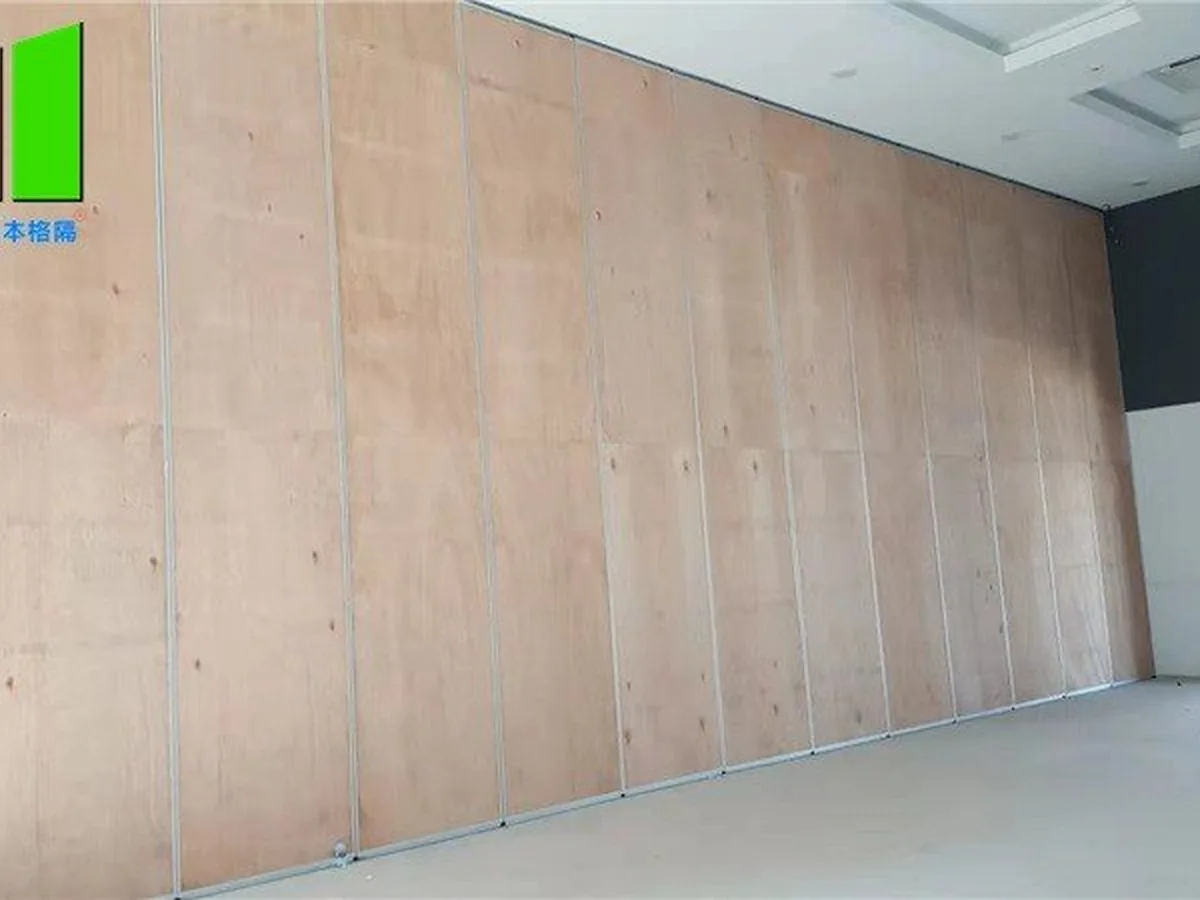
Movable partitions can be used wherever flexible space division, combination or reconfiguration is required. EBUNGE has completed many types of hotel-related movable-partition projects, and ballrooms, wedding halls and multifunction halls are non-limiting examples.
What documents should support the training?
The coordinated project drawings, the approved parking arrangement and the finish-specific care guidance should support the session. The exact track, support and panel layout still require project drawings.
Link training to project references
Facility staff training manual operable wall operation becomes more useful when it connects to the project record. Teams can review the operable wall system overview and compare it with the approved drawings for their building.
They can also review projects to see the range of hotel-related movable-partition work without inferring customer names, locations, quantities, ratings, certifications or outcomes.
Training should end with a clear reference to the coordinated drawings and the finish-specific care guidance.
The exact route, junction arrangement, continuous overhead path and parking position must be confirmed from the coordinated project drawings.
Continue Exploring
More Operable Wall System Guides
- Newer guideMovable Partition Stacking Procedures Staff Training
- Earlier guideCoordinate Convention Hall Partition Stacking with Wall-Mounted Panels
- Related guidePhase Operable Wall Work When a Renovation Adds a New Wing
- Related guideRoom Scheduling Rules That Decide When an Operable Wall Stays Open