
html body.single-post main#content.site-main{box-sizing:border-box!important;width:calc(100% – 32px)!important;max-width:900px!important;margin-left:auto!important;margin-right:auto!important;padding-left:0!important;padding-right:0!important}
Quick answer: tender clarification question bank
Review focus: tender clarification question bank.
A partition tender clarification question bank is a structured set of questions issued before or alongside a tender package so that every bidder prices and documents the same scope. For overseas contractors, architects, interior designers, owners and renovation teams, the value is not in asking more questions. It is in asking questions that can be answered with drawings, schedules and confirmed product facts rather than assumptions. This guide explains how to build that bank without drifting into unsupported performance or commercial claims.
Why a Question Bank Beats Ad Hoc Clarification
Project review term: tender clarification question bank.
Clarification usually happens late, after bids are opened and a preferred supplier is already in mind. By then, unanswered items become negotiation leverage rather than design decisions. A question bank moves those items earlier, when the layout can still change and when bidders can price the same interpretation.
The bank also protects the specification. If a tender document implies a performance outcome that no drawing supports, the question bank forces that gap into the open. It does not resolve the gap by inventing a number. It records who must confirm the requirement and what evidence will be accepted.
Start With the Movement Route, Not the Panel
Coordination scope: tender clarification question bank.
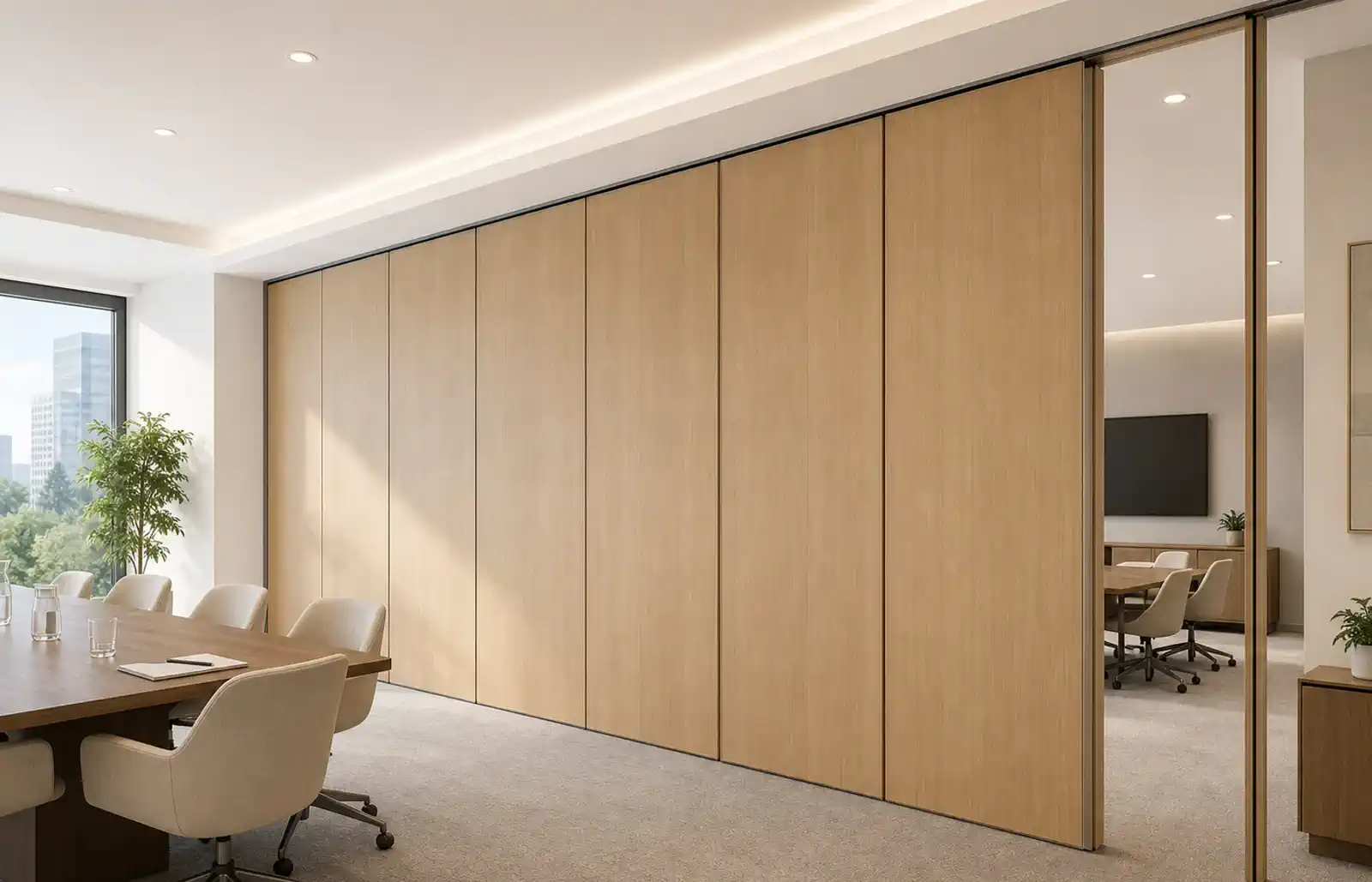
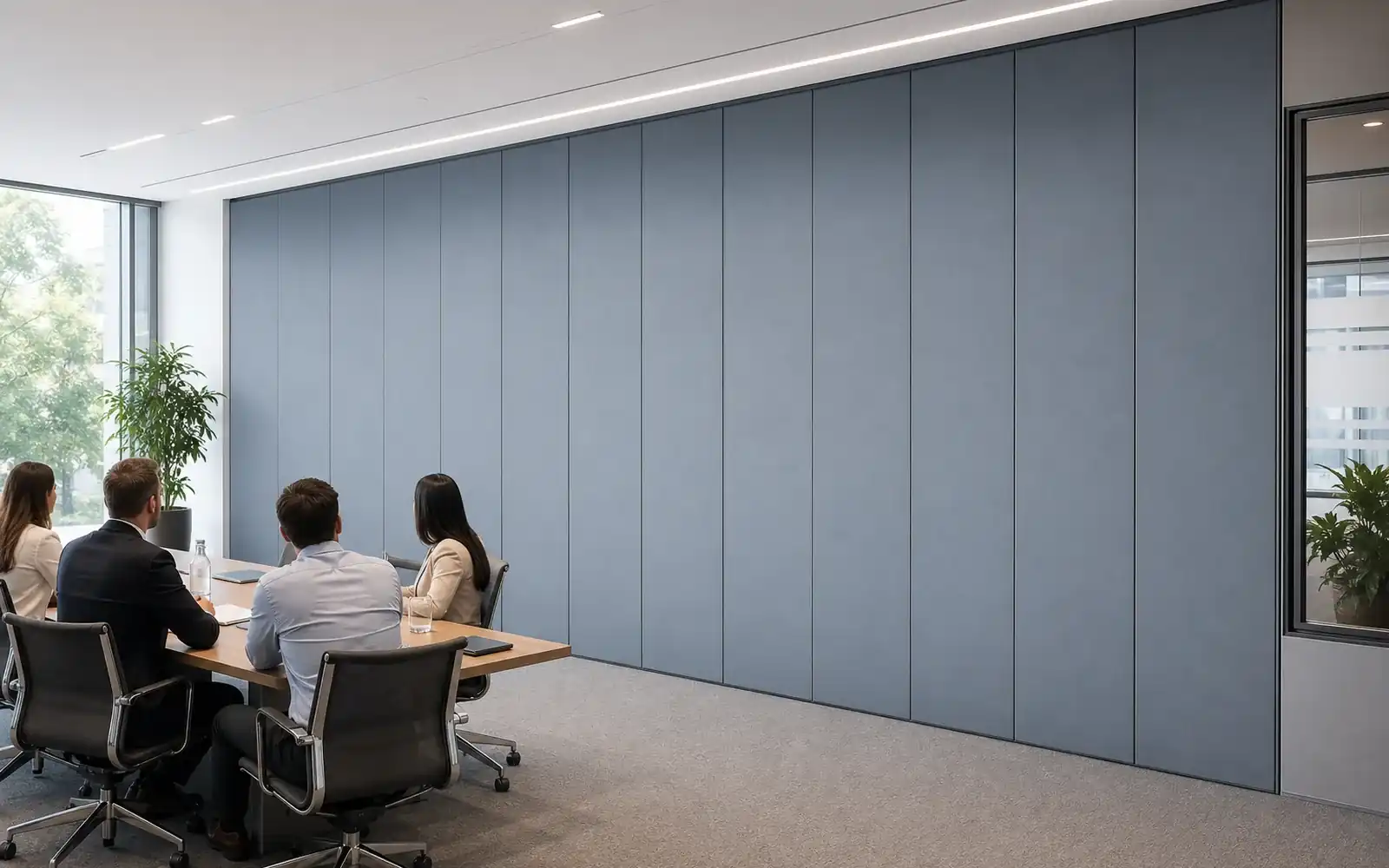
Movable wall panels are individually movable, suspended from a top track, cross the opening without a floor track and park at a planned stacking position. That single sentence generates most of the technical questions a tender package needs.
Route questions to include
- Is the route straight, turning or a combination, and has it been drawn on the architectural layout?
- Where does the overhead route begin and end, and is it continuous across every proposed movement path?
- Where will panels park, and does the parking position conflict with doors, services, furniture or circulation?
- Does any proposed path cross an untracked gap, and if so, how will the design resolve it?
These questions are deliberately about geometry and coordination. The suitability of each route and parking arrangement depends on the approved layout, circulation, ceiling interfaces and operating sequence.
Separate Confirmed Facts From Project Assumptions
Checklist focus: tender clarification question bank.
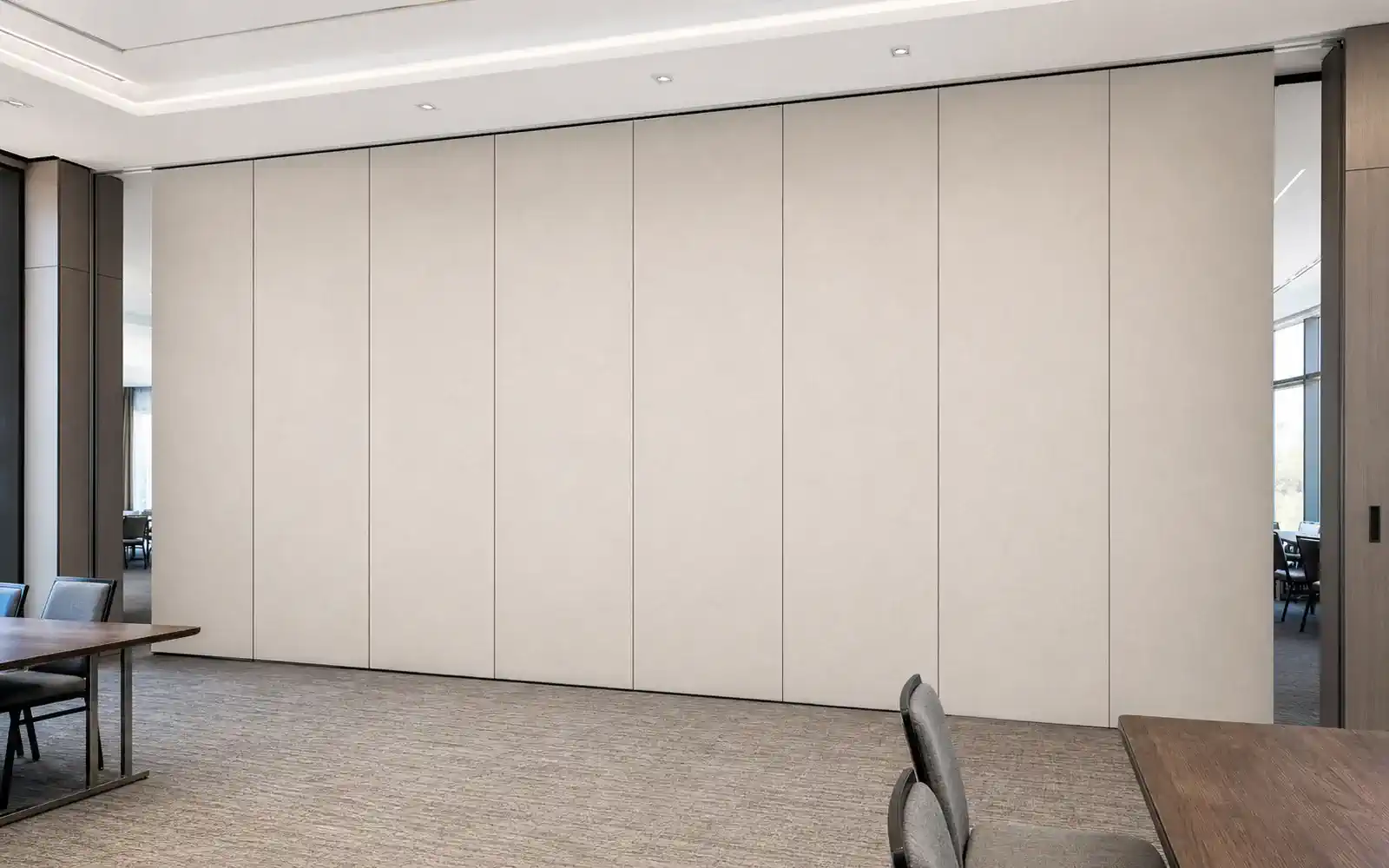
A useful question bank marks each item as either a confirmed product fact or a project assumption. Confirmed facts include top-hung movement, clear floor crossing, customized parking and the available finish families: laminate, melamine, fabric, leather, glass and other approved surfaces. Project assumptions include support conditions, acoustic targets, dimensional tolerances and installation sequencing.
Evidence note: a finish sample or a layout drawing does not by itself prove acoustic performance, structural capacity, cleaning compatibility or a application reference. Those items require their own project-specific confirmation.
When the bank mixes the two categories, bidders respond with confident-sounding claims that cannot be verified.
A Numbered Process for Building the Bank
- Collect the current layout, elevation and reflected ceiling information, and mark every opening where flexible division is required.
- Trace each movement and parking route on the layout, including turning conditions and stacking positions.
- List the finish families under consideration and note where a sample or approved surface must be confirmed.
- Identify pass-door requirements and any documentation the project team expects with the bid.
- Draft questions in plain language, one issue per question, and tag each as fact, assumption or open item.
- Review the draft with the design team and the procurement lead before issuing it to bidders.
- Record every answer and reissue the bank as a controlled addendum so all bidders work from the same version.
Step two is the one teams most often skip. Without a drawn route, bidders cannot tell whether the overhead path is continuous or whether parking is realistic.
What to Ask About Acoustic and Sealing Concepts
The question bank should therefore ask how the project’s acoustic requirement will be confirmed, not what number a bidder will promise.
Acoustic clarification prompts
- What acoustic target applies to this opening, and who is responsible for confirming it?
- Which project conditions could affect the achieved result, such as adjacent construction or penetrations?
- What documentation will be provided, and does it relate to the actual configuration being supplied?
Seals and acoustic concepts can be discussed generically, but the bank should stop short of specifying materials or test values that the project has not confirmed.
Documentation, Pass Doors and Commercial Boundaries
Pass-door requirements and project documentation can be discussed with the supplier, but the tender should state what is required rather than assume it is included. Ask for drawings, finish schedules, interface information and any coordination documents the project team needs. Avoid asking bidders to confirm price, lead time or warranty terms inside the technical question bank; those belong in the commercial section.
| Question type | Where it belongs | Evidence needed |
|---|---|---|
| Route and stacking geometry | Technical bank | Marked layout drawing |
| Finish family and sample | Technical bank | Approved surface reference |
| Acoustic target | Technical bank | Project-specific confirmation |
| Price, lead time, warranty | Commercial section | Separate commercial review |
This split keeps the technical bank focused on what can be drawn, reviewed and verified.
Common Mistakes That Weaken the Bank
One common mistake is asking bidders to confirm performance outcomes that the design team has not defined. Another is treating a generic application example as evidence that a configuration suits a specific room. A third is leaving the parking position undecided and expecting bidders to absorb the risk.
Review the bank against the layout before issuing it. If a question cannot be answered with a drawing, a confirmed product fact or a named responsible party, rewrite it until it can be.
Frequently Asked Questions
What is a partition tender clarification question bank?
It is a controlled list of questions issued with a partition tender so that every bidder prices and documents the same scope, routes and finish assumptions.
How many questions should the bank contain?
There is no fixed number. The bank should cover every route, parking position, finish decision, pass-door requirement and documentation item that the project team needs resolved before evaluation.
Can the bank include acoustic requirements?
Yes, but it should ask how the project’s acoustic target will be confirmed rather than requesting a promised rating.
Should the bank ask about price and lead time?
Technical clarification and commercial review are usually separated. Keep price, lead time and warranty questions in the commercial section so the technical bank stays verifiable.
Who should review the bank before it is issued?
The design team, the procurement lead and the project owner’s representative should review it. Each question should have a named owner for the answer.
What if a bidder cannot answer a route question?
That is useful information. It may indicate the layout is incomplete or the parking position is unresolved, and the design team should confirm the route before evaluation continues.
Conclusion and Next Step
A strong partition tender clarification question bank keeps every question tied to a drawing, a confirmed product fact or a named responsible party. Confirm project-specific support, acoustic and dimensional requirements with the project team before issuing the tender.
To review movable partition options for your layout, visit the movable partition wall page, see representative projects, or contact us to discuss pass-door requirements and project documentation.
Continue Exploring
More Cost and Planning Guides
- Earlier guideSet Bid Clarification Deadlines That Protect Your Partition
- Related guideWhat to Check in a Movable Partition Tender Before Clarification Closes
- Related guideSpot Bidder Assumptions That Shift Partition Interface Risk
- Related guideDetect Bid Shopping Signals in Movable Partition Tender Rounds