
When planning for the long-term usability of a school auditorium, the school auditorium partition seal maintenance checklist is a topic that procurement teams and facility managers rarely see in the initial specification. Yet, the seals are often the first components to show wear, and they directly affect the acoustic separation that the movable wall is designed to provide. For schools, where scheduling flexibility and noise control are critical, a proactive inspection routine is not just about upkeep—it is about protecting the investment in the space.
This article offers a practical, procurement-oriented guide to inspecting the seals on EBUNGE movable wall systems. It is written for school administrators, facility managers, and building maintenance teams who need to understand what to look for, how to document findings, and when to involve the manufacturer. It is not a substitute for professional assessment, but it will help you ask the right questions and plan a sustainable maintenance schedule.

Why Seal Inspection Matters for School Auditorium Partitions
Movable wall systems in school auditoriums are used to divide large spaces into smaller teaching or performance areas. The seals—located at the top, bottom, and vertical edges of each panel—are the primary barriers that prevent sound from flanking around the panel. Over time, seals can compress, shift, or become damaged, reducing the acoustic separation between adjacent spaces.
For procurement and maintenance teams, understanding the role of seals is essential. A small gap under a panel can turn a quiet study area into a noisy one, affecting learning outcomes and user satisfaction. Regular inspection helps identify issues early, avoiding costly repairs and ensuring the partition continues to meet the school’s acoustic requirements.
The Role of Seals in Acoustic Performance
Seals are designed to close the gaps between panels and the surrounding structure. When the partition is fully extended, the seals compress against the floor, ceiling, and adjacent panels, creating a barrier that reduces sound transmission. The effectiveness of this barrier is often described using sound transmission class (STC) or weighted sound reduction index (Rw), which are rating systems that indicate how well a partition attenuates sound. While these ratings are useful for design, they are not a promise of a specific decibel reduction in a real-world installation. The actual performance depends on the quality of installation, the condition of the seals, and the surrounding building structure.
Share inspection photos and interface details for review.
Understanding the EBUNGE Movable Wall System
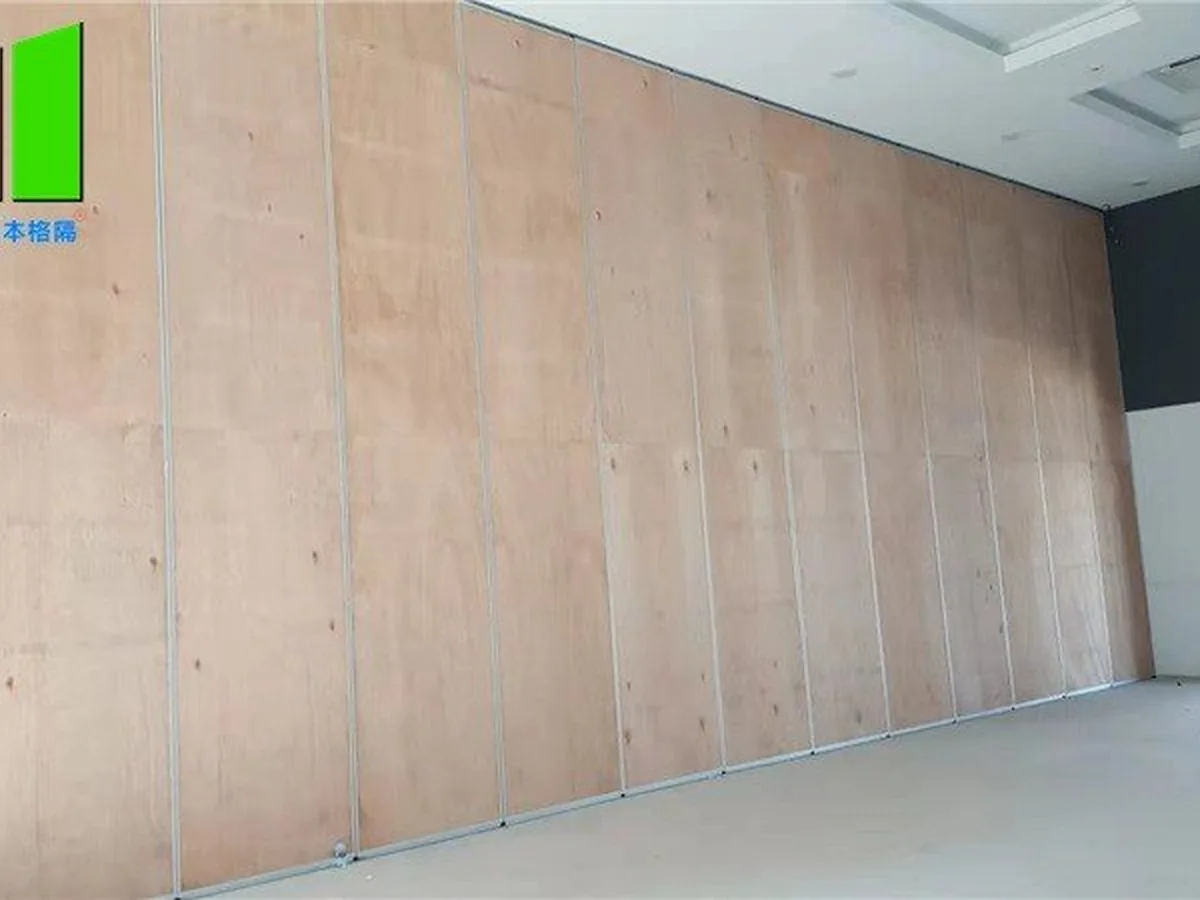
EBUNGE movable wall systems are designed for flexibility and ease of use. Each panel is individually movable and suspended from a top track, allowing it to cross the opening without a floor track. This design is particularly beneficial for school auditoriums, as it leaves the floor clear and easy to clean. The panels park at a planned stacking position when not in use, maximizing the usable space.
Because the panels are top-hung, the seals at the bottom are not in constant contact with the floor during movement, which reduces wear. However, when the wall is deployed, the bottom seal must engage properly to create an acoustic seal. This is where regular inspection becomes crucial.
Straight, Turning, and Stacking Routes
Before installation, the layout of the partition is reviewed to ensure that straight, turning, and stacking routes are feasible. This planning phase considers the available space and the desired stacking position. For maintenance, it is important to know the route and stacking configuration, as it affects how the seals are accessed and inspected. For example, panels that stack in a curved path may have different seal wear patterns than those that stack in a straight line.
The School Auditorium Partition Seal Maintenance Checklist
Below is a comprehensive checklist that can be adapted to your school’s specific system. It is divided into frequency-based tasks, from visual inspections to more detailed checks.
Monthly Visual Inspection
Conduct a visual inspection of the seals on all panels. Look for:
- Visible gaps between the seal and the floor, ceiling, or adjacent panels when the wall is deployed.
- Signs of wear, such as cracking, tearing, or compression set (where the seal does not spring back to its original shape).
- Debris or dirt that may prevent the seal from seating correctly.
- Any parts that appear loose or misaligned.
If any issues are found, document them with photographs and notes, and schedule a more detailed inspection.
Quarterly Operational Check
Operate the partition through its full cycle—from stacking to full deployment and back. Observe the seals during operation:
- Do the seals engage smoothly without catching or dragging?
- Are there any unusual noises that could indicate seal friction or misalignment?
- Does the bottom seal lift and lower correctly as the panel moves?
This check can be done by trained facility staff. If any anomalies are noted, contact the manufacturer for guidance.
Annual Professional Inspection
Once a year, or as recommended by the manufacturer, schedule a professional inspection. This should be performed by a technician familiar with EBUNGE systems. They will:
- Check the alignment of the top track and hangers.
- Inspect the seals for compression and wear, and measure any gaps.
- Verify that the seals are made of appropriate materials for the school environment (e.g., resistance to cleaning agents).
- Test the acoustic performance if possible, using sound level measurements, and compare to the baseline performance.
The technician can also provide a written report that documents the condition of the seals and recommends any necessary adjustments or replacements.
Key Seal Areas to Inspect
Seals are located in several critical areas. Each requires specific attention.
Bottom Seals
The bottom seal is often the most vulnerable because it is exposed to foot traffic and cleaning equipment. Check for:
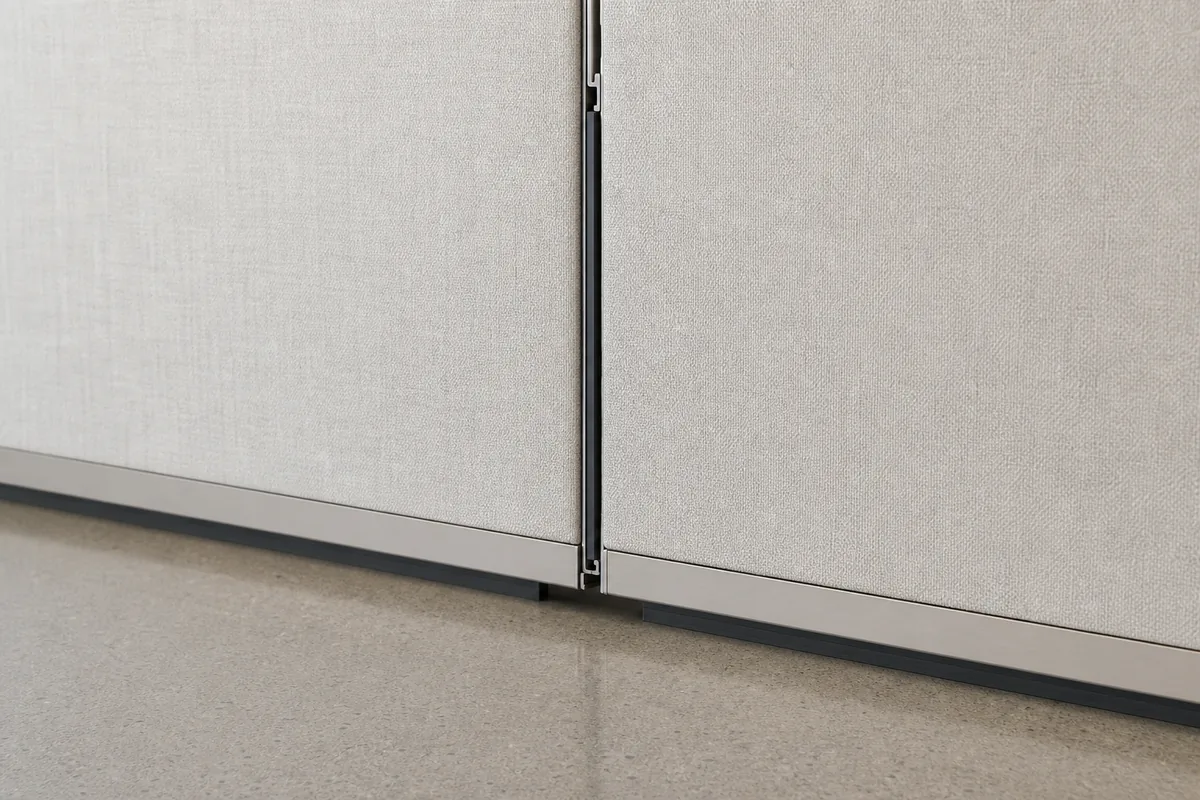
- Wear patterns that indicate dragging or misalignment.
- Dirt or grit that can abrade the seal over time.
- Proper engagement with the floor when the panel is locked in place.
If the floor is uneven, the seal may need adjustment to ensure a consistent seal across the entire width.
Vertical Edge Seals
Vertical seals between panels and at the side jambs are essential for preventing sound leaks. Inspect these for:
- Gaps that appear when the panels are pressed together.
- Damage from repeated contact or from objects being placed against the partition.
- Consistency of compression along the full height of the seal.
Top Seals
Top seals, though less accessible, are equally important. They can be inspected using a ladder or by removing the ceiling trim if possible. Look for:
Record the condition before coordinating corrective work.
- Gaps between the panel top and the ceiling.
- Signs of dust or air movement, which can indicate a leak.
Documentation and Record-Keeping
Maintaining a log of inspections and any repairs is vital for warranty and lifecycle management. For each inspection, record:
- Date and inspector name.
- Findings, including any issues and actions taken.
- Photographs of the seal condition.
- Any adjustments or parts replaced.
This documentation can be shared with the manufacturer if you need support, and it helps you track the performance of the seals over time.
When to Contact the Manufacturer
If you notice significant wear, persistent gaps, or any damage that cannot be resolved with minor adjustments, contact EBUNGE directly. Provide your project details and the documentation from your inspections. The manufacturer can advise on the best course of action, which may include replacement seals or a service visit.
Acoustic Considerations for Seal Maintenance
Seals are a key component in achieving the acoustic performance of the partition. However, it is important to understand that acoustic performance is not solely dependent on the seals. The entire partition system, including the panels themselves, the track, and the building structure, contributes to sound insulation. When seals wear, the acoustic separation may degrade, but the exact impact can vary.
To assess the condition of the acoustic seal, you can perform a simple sound test: with the partition deployed, have someone speak at a normal level on one side and listen from the other. If you notice a significant difference in sound transmission compared to when the partition was new, it may be time for a professional acoustic assessment.
Seal Replacement and Upgrades
When seals need replacement, always use parts specified by EBUNGE to ensure compatibility and performance. The manufacturer can provide guidance on the correct seal type for your system, considering factors such as the frequency of use and the acoustic requirements of your school.
Training for Maintenance Staff
Proper training of maintenance staff is essential for effective seal inspection. Staff should know how to operate the partition safely, how to identify common seal issues, and when to escalate problems. EBUNGE can provide training sessions as part of the project documentation or upon request.
Creating a Maintenance Schedule
Based on the manufacturer’s recommendations and your school’s usage patterns, create a maintenance schedule that includes the monthly, quarterly, and annual checks described above. Ensure that the schedule is integrated into the facility’s overall maintenance plan and that responsibilities are clearly assigned.
FAQ: School Auditorium Partition Seal Maintenance
How often should school auditorium partition seals be inspected?
We recommend a visual inspection at least monthly, an operational check quarterly, and a professional inspection annually. However, the frequency may need to be adjusted based on the level of usage and the specific environment of your school.
What are the signs that a partition seal needs replacement?
Signs include visible gaps, cracking, tearing, compression set, and a noticeable decrease in acoustic separation. If you observe any of these, contact the manufacturer for guidance.
Can I perform the seal inspection myself?
Yes, you can perform the monthly and quarterly checks yourself, provided you have been trained on the operation of the partition. The annual professional inspection should be done by a qualified technician.
How does the seal affect the acoustic performance of the partition?
Seals are critical for closing gaps that would otherwise allow sound to pass around the panels. They are one of the key components that contribute to the partition’s acoustic rating, such as STC or Rw, but they are not the only factor.
What should I do if I find damage to a seal?
Document the damage with photos and notes, and contact EBUNGE for advice. Do not attempt to repair the seal yourself unless you have been specifically trained and have the correct parts.
For the next planning step, review selected projects and confirm the opening, ceiling condition, layout, finish direction and acoustic requirement for the project.
Conclusion
Implementing a school auditorium partition seal maintenance checklist is a proactive step that helps protect the acoustic performance and longevity of your movable wall system. By conducting regular inspections, documenting findings, and working with the manufacturer when needed, you can ensure that the partition continues to serve your school effectively.
For more information about EBUNGE movable wall systems, including our products, or to discuss your project’s specific requirements, please contact us. We are here to support you with project documentation, maintenance guidance, and any questions you may have about your acoustic partition.
Continue Exploring
More Acoustic Partition Guides
- Newer guideHow to Plan School Auditorium Partition Stacking Pockets with Wall-Mounted Acoustic Panel Edges
- Earlier guideWhat Maintenance Inspection Checklist Applies to Office Meeting Suite Partition Seals
- Related guideWhat Drawings Specify School Auditorium Partition Seals at Ceiling-Mounted Speaker Cluster Zones
- Related guideHow to Coordinate Office Meeting Suite Partition Seals with Wall-Mounted Video Bar Swing Paths