
When planning a restaurant function room, the coordination between restaurant partition seals ceiling grease filter coordination is often overlooked, yet it is a critical factor for both acoustic performance and operational efficiency. Movable partitions are a popular choice for flexible dining spaces, but their effectiveness depends on how well they integrate with other building systems, especially ceiling-mounted grease filters. This article explores why this coordination matters, what to consider, and how to approach it in your project.
Understanding Movable Partitions in Restaurant Settings
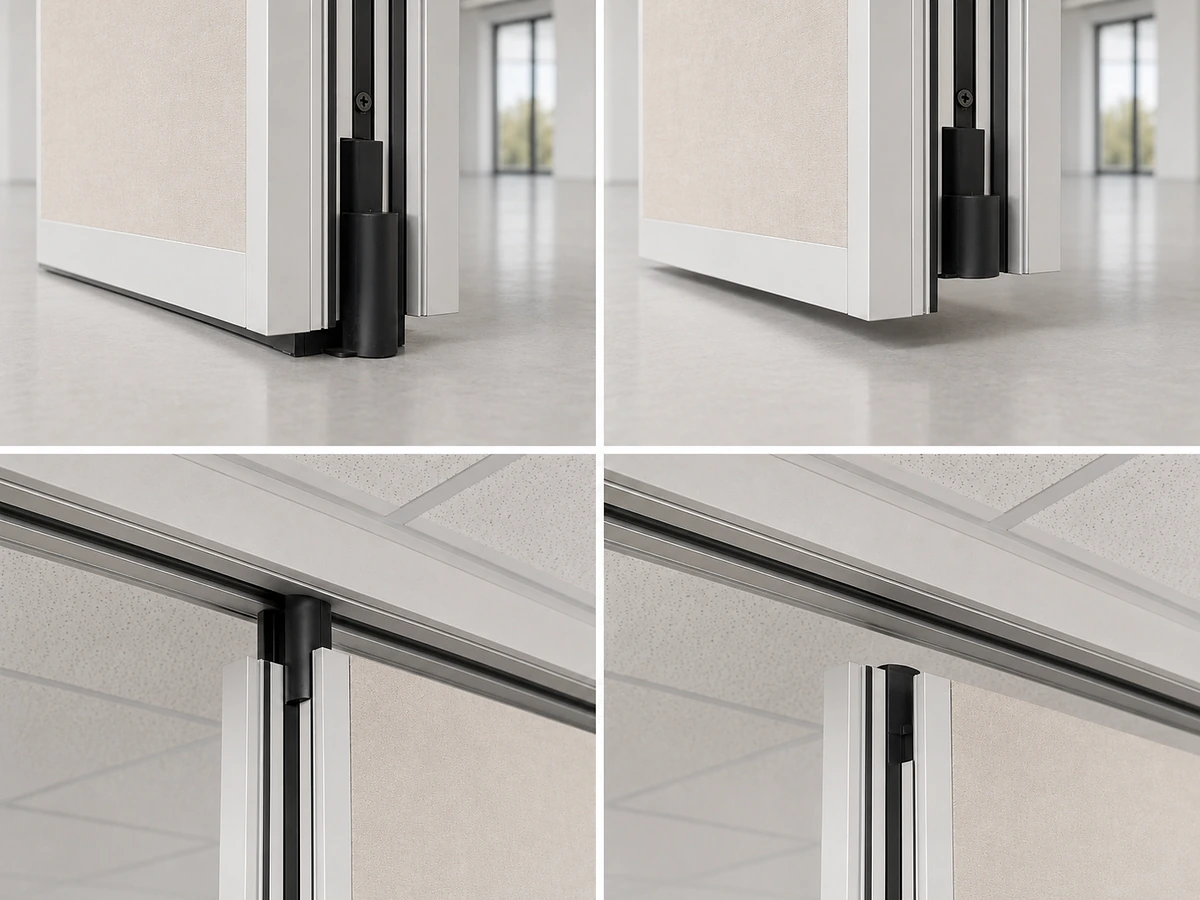
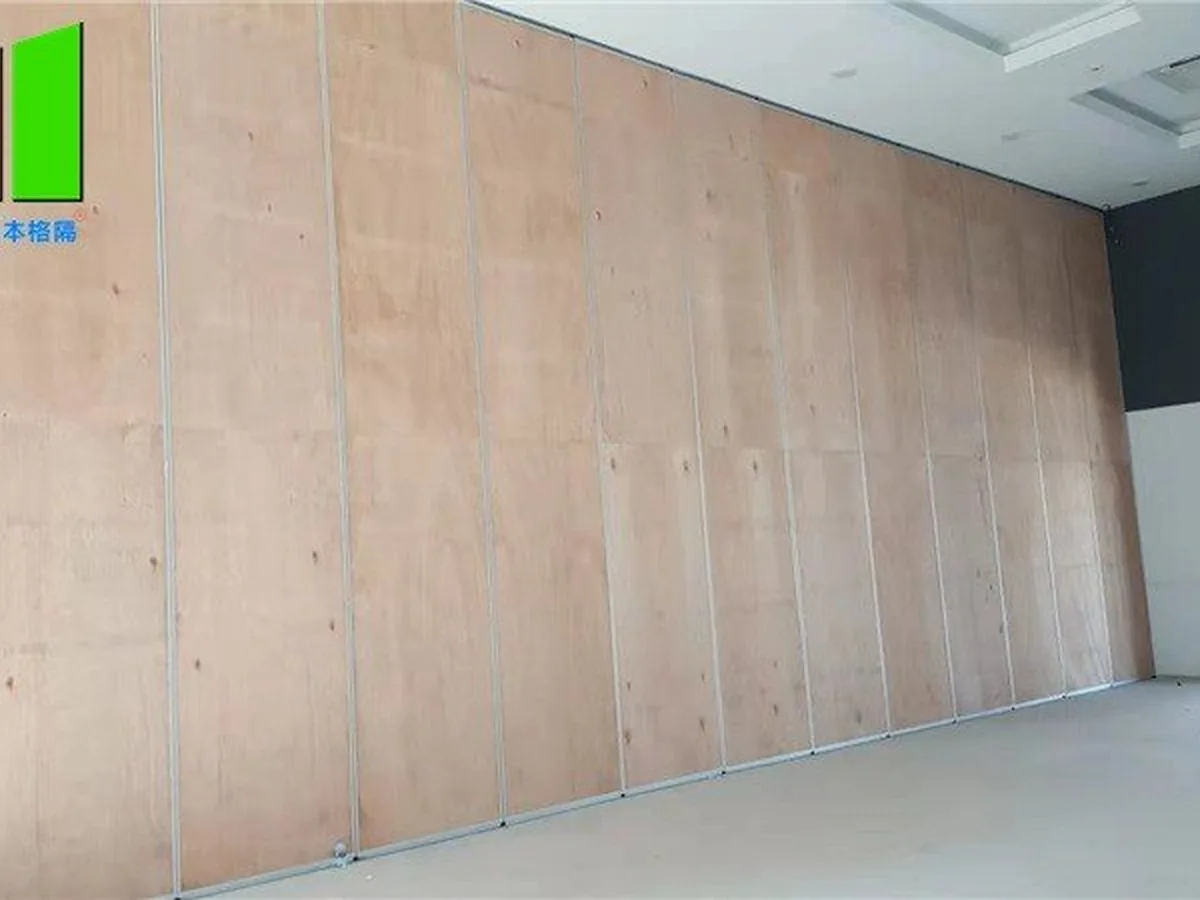
Movable partitions, also known as acoustic movable walls, are designed to divide large spaces into smaller, flexible areas. In restaurants, they allow you to create private dining rooms, host events, or open up the space for larger gatherings. EBUNGE movable wall panels are individually movable, suspended from a top track, and can cross the opening without a floor track, parking neatly at a planned stacking position. This design maximizes floor space and simplifies cleaning, but it also means that the partition’s performance is heavily influenced by the surrounding structure and services.
Key Features of EBUNGE Movable Partitions
EBUNGE systems are tailored to each project, with straight, turning, and stacking routes reviewed from the layout. Finish options include laminate, melamine, fabric, leather, glass, and other approved surfaces, allowing you to match the aesthetics of your restaurant. However, the true performance of the partition—especially its acoustic properties—depends on the integrity of the entire separation, including the seals at the perimeter and at the junction with ceiling systems.
The Role of Seals in Acoustic Performance
Seals are the components that close the gaps between the movable partition and the surrounding structure: the ceiling, the walls, and the floor. In a movable wall system, seals are typically compressed against the ceiling and floor to create a continuous barrier. The effectiveness of these seals is crucial for sound insulation, as even small gaps can allow sound to flank from one side to the other.
Acoustic Concepts: STC and Rw
Acoustic performance is often described using ratings such as Sound Transmission Class (STC) or Weighted Sound Reduction Index (Rw). These are single-number ratings that summarize the sound insulation of a partition across a range of frequencies. While they are useful for comparison, they do not directly translate to a simple decibel reduction in all situations. The actual performance depends on many factors, including the construction of the partition, the quality of installation, and the surrounding building elements. It is essential to confirm project-specific acoustic requirements with your supplier.
Share the track plan, ceiling plan and fixed-service locations.
Why Ceiling-Mounted Grease Filters Matter
In commercial kitchens and restaurant function rooms, ceiling-mounted grease filters are common. They are part of the ventilation system designed to remove grease, smoke, and odors from the air. These filters are often installed in the ceiling, and their presence can interfere with the installation and sealing of a movable partition. Here’s why coordination is essential:
Physical Interference
Grease filters and their associated ductwork can occupy space that would otherwise be used for the partition’s ceiling track or the sealing surface. If the partition is to run directly beneath a filter, the seal may not be able to achieve continuous contact with the ceiling, leaving a gap that compromises acoustic performance. In some cases, the filter may need to be relocated, or the partition route adjusted to avoid interference.
Maintenance Access
Grease filters require regular cleaning and maintenance. If a movable partition is installed in a way that blocks access to the filters, it can create operational problems. The partition may need to be designed to allow for filter removal, or the stacking position may need to be coordinated to leave clear access. This is a practical consideration that should be discussed early in the design phase.
Sealing Integrity
The presence of a grease filter can create an uneven ceiling surface. Seals are designed to compress against a flat, continuous surface. If the filter protrudes or creates a recess, the seal may not be able to conform, leading to air leaks and reduced acoustic performance. Coordination is needed to ensure that the partition seal can maintain its integrity, either by adjusting the partition path or by providing a smooth surface around the filter.
Planning and Coordination: A Step-by-Step Approach
To avoid costly mistakes and ensure a successful installation, follow these planning steps:
1. Review the Layout Early
During the initial design, review the proposed layout of the function room, including the location of ceiling-mounted equipment. Identify any potential conflicts between the partition route and the grease filters. EBUNGE’s team can review straight, turning, and stacking routes from the layout to ensure feasibility.
2. Engage All Stakeholders
Involve the architect, interior designer, mechanical engineer, and the partition supplier in the discussion. The mechanical engineer can provide details on the grease filter system, including its dimensions, weight, and maintenance requirements. The partition supplier can advise on the sealing system and any modifications needed.
3. Consider the Ceiling Design
Think about how the ceiling is constructed. If the ceiling is a suspended ceiling system, the partition seal can often interface with the ceiling grid. However, if grease filters are installed flush with the ceiling, they may disrupt the grid. A custom transition piece may be required to provide a smooth sealing surface.
4. Plan for Maintenance Access
Design the partition system to allow for filter maintenance. This might involve creating a removable section in the partition or ensuring that the partition can be moved to a position that does not block access. The stacking position should be chosen with this in mind.
5. Confirm Project-Specific Requirements
Every restaurant is different. The acoustic requirements for a private dining room may be higher than for an open dining area. The type of grease filter, the ceiling height, and the partition configuration all affect the solution. Always confirm your project-specific support, acoustic, and dimensional requirements with the supplier.

Sealing Strategies for Ceiling-Mounted Interference
When a grease filter cannot be relocated, there are several sealing strategies to consider:
Adjustable Seals
Some seal systems can be adjusted to accommodate minor irregularities in the ceiling. However, this is not a substitute for a flat surface. If the filter creates a significant obstruction, a more robust solution is needed.
Transition Plates
A transition plate can be installed around the grease filter to create a flat, continuous surface for the seal to compress against. This plate can be made of metal or another rigid material and should be coordinated with the filter’s dimensions.
Check the route, supports and clearances on coordinated drawings.
Partition Route Modification
In some cases, the simplest solution is to modify the partition route to avoid the grease filter altogether. This may require a turning or stacking route, which EBUNGE can review to ensure smooth operation.
Case Considerations for Different Restaurant Types
The coordination needs can vary depending on the type of restaurant:
Fine Dining
In fine dining, acoustic privacy is often a priority. The partition should provide a high level of sound insulation, and any gaps around grease filters can be a problem. Extra attention to sealing and coordination is essential.
Casual Dining
In casual dining, the acoustic requirements may be less stringent, but operational efficiency is key. Ensuring that the partition does not block filter access is more important than achieving maximum sound insulation.
Event Spaces
Restaurants that host events may need flexible layouts. The partition should be easy to move and store, and the stacking position should not interfere with the grease filters. Coordination with the ventilation system is crucial to avoid odors from the kitchen affecting the event space.
Documentation and Communication
Proper documentation is vital for a successful project. This includes detailed drawings showing the partition route, the location of grease filters, and the sealing details. It also includes specifications for the partition system and the coordination requirements. EBUNGE can discuss project documentation with you to ensure that all parties are aligned.
Pass Doors
If a pass door is required in the partition, its location should be coordinated with the ceiling-mounted equipment. A pass door can be integrated into the partition, but its swing and hardware may be affected by nearby filters. Early discussion is recommended.
Common Pitfalls to Avoid
Here are some common mistakes in restaurant partition projects:
Ignoring the Grease Filter Until Installation
Discovering a conflict during installation can cause delays and additional costs. Always check for conflicts during the design phase.
Assuming a Standard Seal Will Work
Not all seals are suitable for all ceiling conditions. The seal must be compatible with the surface it will contact. If the ceiling is uneven due to filters, a custom solution may be needed.
Forgetting About Maintenance
Even if the partition is installed successfully, if it blocks filter access, you will have a problem later. Plan for maintenance from the start.
Working with EBUNGE
EBUNGE specializes in acoustic movable partitions and can provide guidance on the coordination of your partition with ceiling-mounted grease filters. Our team reviews each project’s layout to ensure that the partition operates smoothly and that sealing is effective. We offer a range of finish options and can discuss pass-door requirements and project documentation. To learn more about how we can support your restaurant project, visit our acoustic movable partition page or explore our past projects for inspiration.
Frequently Asked Questions
Can a movable partition be installed directly under a ceiling-mounted grease filter?
It is possible, but careful coordination is required. The filter may interfere with the sealing surface and maintenance access. In many cases, a transition plate or a modified partition route is necessary to ensure a proper seal.
What is the best way to ensure acoustic performance when grease filters are present?
The best approach is to plan the partition route to avoid the filter if possible. If that is not feasible, work with your partition supplier to design a sealing solution that accommodates the filter without compromising the acoustic barrier.
How do I know if my restaurant’s acoustic requirements are met?
Acoustic performance is project-specific. You should define your requirements in terms of STC or Rw, and then confirm with your supplier that the proposed system can meet them. EBUNGE can help you review your requirements and propose a suitable solution.
Does the partition need to be moved for filter maintenance?
It depends on the layout. If the partition blocks access to the filter, it will need to be moved. This should be planned for in the design, perhaps by ensuring the partition can be easily repositioned or by providing a removable section.
What information should I provide to the partition supplier?
Provide detailed floor plans and ceiling plans showing the location of all ceiling-mounted equipment, including grease filters, lighting, and ductwork. Also, specify your acoustic requirements and any operational needs, such as pass doors or stacking positions.
Conclusion
Coordinating restaurant partition seals with ceiling-mounted grease filters is not just a technical detail; it is a critical element for achieving both acoustic performance and operational efficiency. By engaging all stakeholders early, reviewing the layout carefully, and working with an experienced supplier like EBUNGE, you can ensure that your movable partition system functions as intended. Remember to confirm your project-specific support, acoustic, and dimensional requirements with us. Contact EBUNGE today to discuss your restaurant project and discover how our acoustic movable partitions can enhance your space.
Continue Exploring
More Acoustic Partition Guides
- Newer guideHow to Compare Restaurant Function Room Partition Seals for Open Kitchen vs Closed Kitchen Acoustics
- Earlier guideWhat Drawings Specify School Auditorium Partition Seals at Stage Floor Junctures
- Related guideWhat Drawings Specify School Auditorium Partition Seals at Ceiling-Mounted Speaker Cluster Zones
- Related guideHow to Coordinate Office Meeting Suite Partition Seals with Wall-Mounted Video Bar Swing Paths