
html body.single-post main#content.site-main{box-sizing:border-box!important;width:calc(100% – 32px)!important;max-width:900px!important;margin-left:auto!important;margin-right:auto!important;padding-left:0!important;padding-right:0!important}
Quick answer: movable partition tender
Review focus: movable partition tender.
When a movable partition tender bundled interface scope comparison is needed, the first challenge is rarely the panel itself. It is the surrounding work that bidders choose to include, exclude or describe in vague terms. A return that bundles ceiling interfaces, track support, parking arrangements and finishing into one line item can look complete while hiding important boundaries. This article offers a drawing-led method for comparing returns without inventing performance, cost or engineering conclusions.
Why Bundled Interface Scope Makes Tender Returns Hard to Compare
Project review term: movable partition tender.
Movable partition panels are individually movable, suspended from a top track, cross the opening without a floor track, and park at a planned stacking position. Those maintained facts describe the movement concept, not the full interface package. The suitability of each route and parking arrangement depends on the approved layout, circulation, ceiling interfaces and operating sequence.
When bundles differ, a lower headline figure may simply exclude more work. A higher figure may include coordination that another bidder expects the main contractor to provide. The comparison problem is therefore about scope boundaries, not just totals.
Start With the Layout and Movement Routes
Coordination scope: movable partition tender.
Before reading any return, review the layout for straight, turning and stacking routes. The approved product facts confirm that these routes are reviewed from the layout. A bidder who has not seen the route drawings cannot reliably describe how panels will travel or where they will park.
Questions to ask of every return
- Does the bidder reference the same route drawings issued with the tender?
- Is the parking position shown, and does the return describe how it is reached?
- Are turning points or changes of direction acknowledged in the scope narrative?
- Does the return state which interface items are included and which are excluded?
These questions do not require performance claims. They simply test whether the return is anchored to the project drawings.
Separate Product Scope From Interface Scope
Checklist focus: movable partition tender.
Product scope covers the movable partition system itself. Interface scope covers the conditions around it, such as the overhead route, support coordination, ceiling or soffit conditions, and the finished appearance at junctions. A bundled return may combine both without clear separation.
Ask each bidder to restate the return in two columns: product scope and interface scope. This is not a request for new engineering. It is a request for clarity about what the bidder believes is included.
Use a Bundled Scope Comparison Table
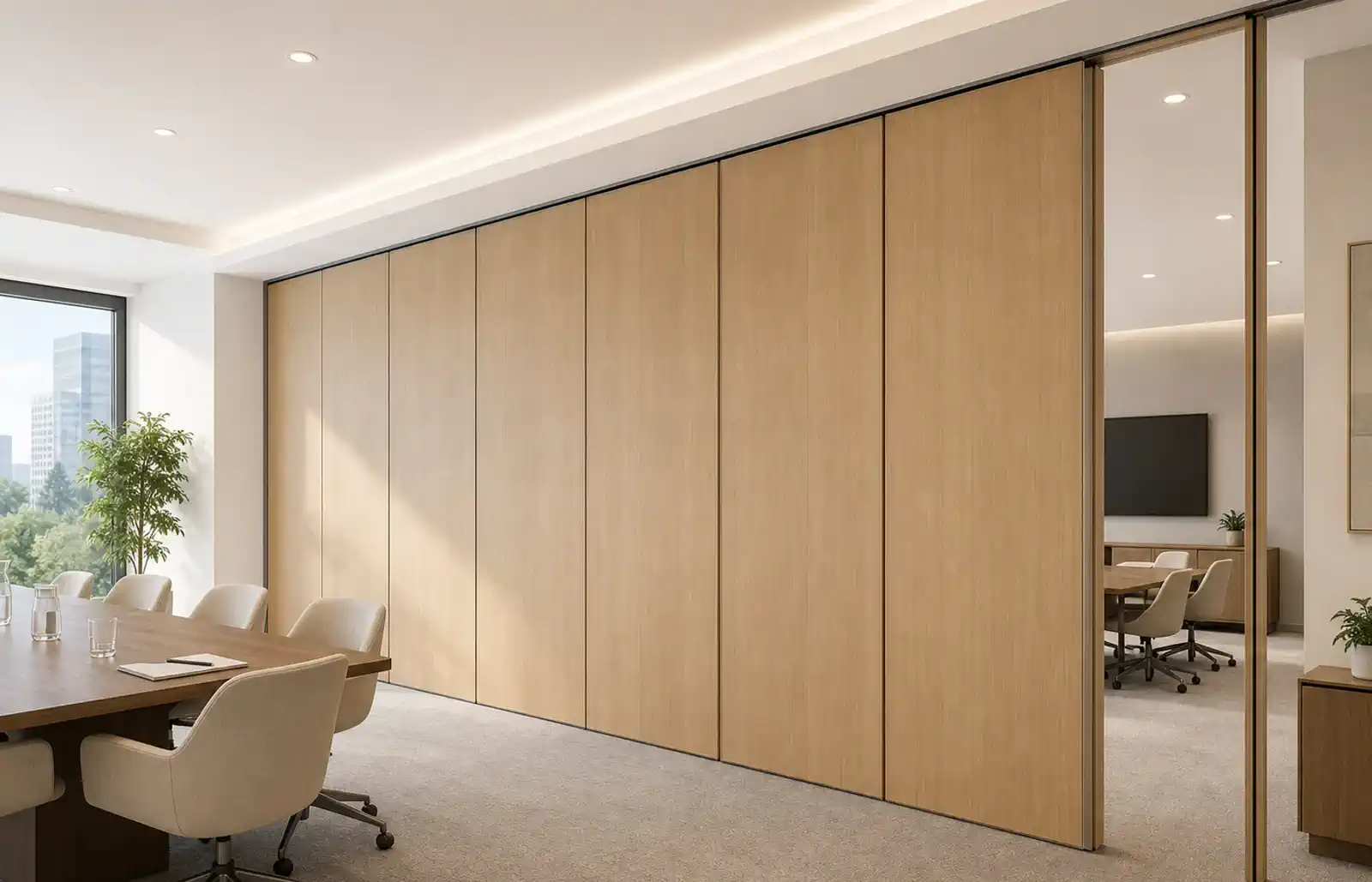
Review focus: movable partition tender.
The table below is a comparison aid, not a specification. Adapt the rows to the project and confirm all project-specific support, acoustic and dimensional requirements with qualified specialists.
| Comparison row | What to look for | Evidence boundary |
|---|---|---|
| Movement route | Straight, turning and stacking routes referenced from layout | Requires current drawings; do not infer from a generic brochure |
| Top track and support | Who coordinates overhead support and ceiling interface | Support design requires project-specific review |
| Parking position | Planned stacking location and how it is reached | Confirm against layout and adjacent services |
| Finish options | Laminate, melamine, fabric, leather, glass or other approved surfaces | Finish choice does not prove acoustic or fire performance |
| Pass doors | Whether pass-door requirements are included or excluded | Discuss requirements and project documentation directly |
| Documentation | Drawings, schedules and coordination notes included | Confirm the exact document list in the tender |
Read Acoustic Language Carefully
A tender return may mention acoustic intent without providing project-specific evidence.
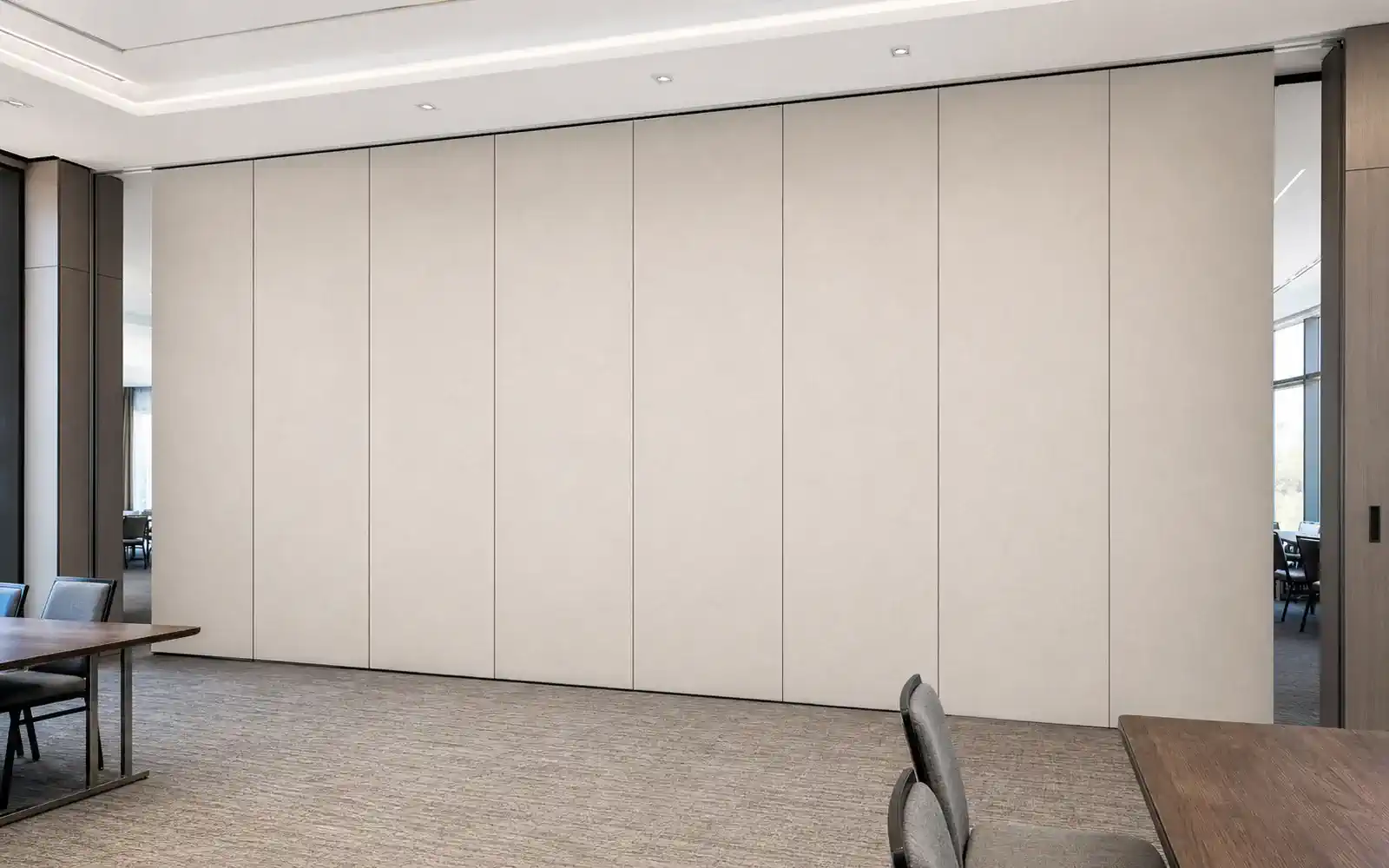
Visible references can support layout discussion but do not verify hidden construction or performance. Confirm project-specific acoustic requirements with qualified specialists.
Check Finish and Pass-Door Inclusions
Confirmed finish options include laminate, melamine, fabric, leather, glass and other approved surfaces. A bundled return may list a finish category without confirming the exact surface, edge condition or junction detail. Those details affect coordination even when they do not change the movement concept.
Pass-door requirements and project documentation can be discussed with the supplier. In a tender comparison, the key question is whether the return states clearly that pass doors are included, excluded or subject to later confirmation.
Apply a Numbered Review Process
- Issue the same layout, route and interface drawings to every bidder.
- Ask each bidder to separate product scope from interface scope.
- Map every return against the comparison table rows.
- Mark each row as included, excluded or unclear.
- Request written clarification for every unclear row before comparing totals.
- Confirm project-specific support, acoustic and dimensional requirements with qualified specialists.
This process keeps the comparison grounded in visible evidence rather than assumptions about what a bundled price implies.
Evidence Notes for Tender Reviewers
Comparative, absolute and causal statements require corresponding evidence; otherwise remove them or state the exact project-specific confirmation boundary.
An evidence note is not a criticism of the bidder. It is a record of what has been confirmed and what still requires project-specific review. Attach it to the tender comparison so that later readers understand the limits of the return.
Coordinate With the Wider Project Team
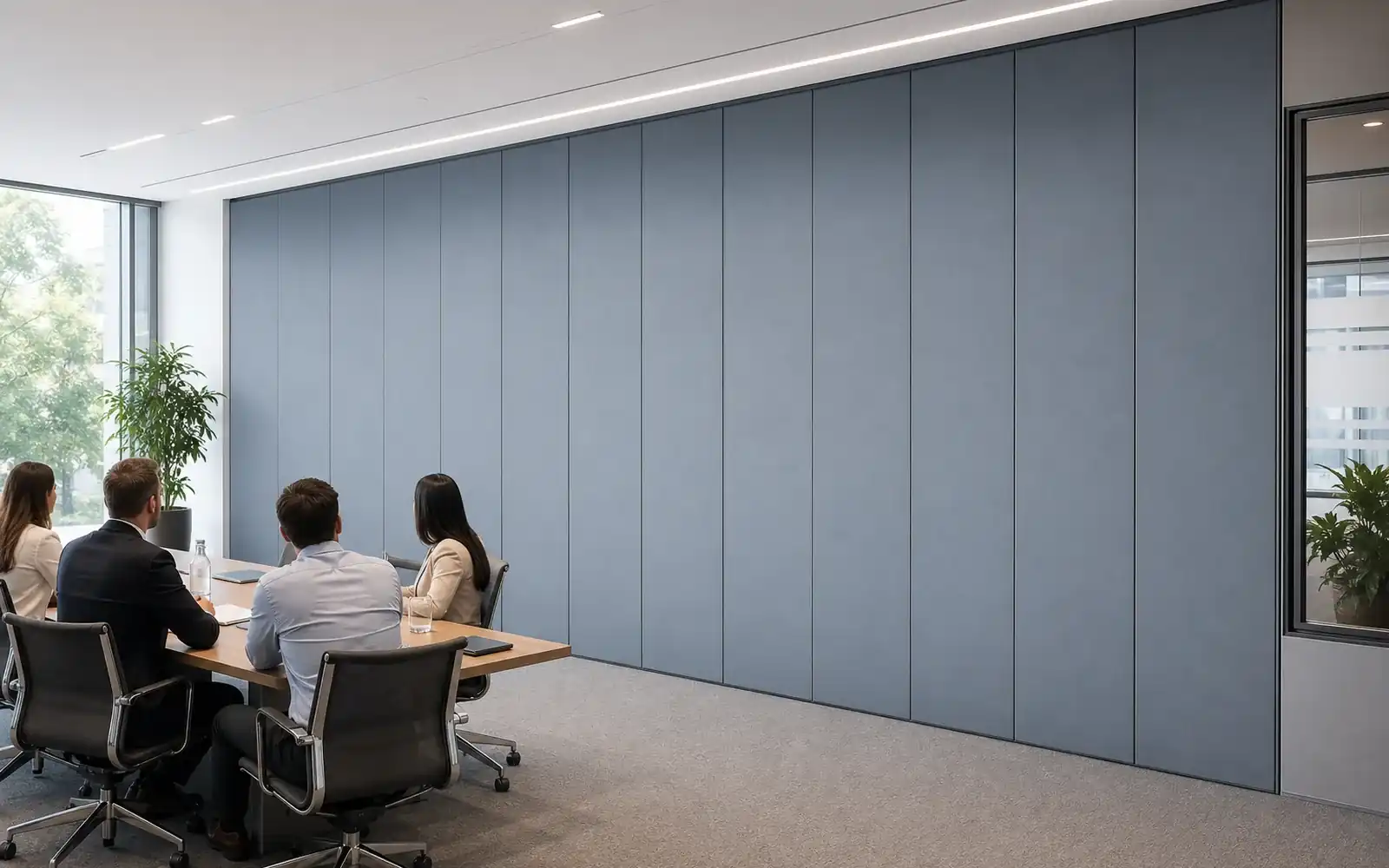
Movable partition tenders rarely sit in isolation. The ceiling, structure, finishes and adjacent trades all influence the interface. A bundled return may assume coordination that another package owns.
Share the comparison table with the project team and mark which items belong to which package. This reduces the risk of gaps between packages and makes the final comparison more meaningful. For broader product context, see the movable partition wall page. Project examples are available in the projects section.
Frequently Asked Questions
What does bundled interface scope mean in a movable partition tender?
It means a bidder has grouped product items and surrounding interface items into one scope description. The grouping can hide which items are included, excluded or assumed to be provided by others.
Can I compare returns using only the total price?
No. A total price without a clear scope boundary is difficult to compare. Separate product scope from interface scope and mark each row as included, excluded or unclear before comparing totals.
Do movable partitions need a floor track?
EBUNGE movable partition panels are top-hung and move without a continuous floor running track or floor hardware along the partition line. Every proposed movement path still requires a continuous connected overhead route and project-specific support review.
How should acoustic ratings be compared?
Ask what documentation the bidder will provide and confirm project-specific acoustic requirements with qualified specialists.
What finish options can be discussed?
Confirmed finish options include laminate, melamine, fabric, leather, glass and other approved surfaces. Confirm the exact surface and junction details for the project.
When should pass doors be clarified?
Pass-door requirements and project documentation can be discussed with the supplier. Clarify inclusion or exclusion before finalizing the tender comparison.
Conclusion and Next Step
Separate product scope from interface scope, use a comparison table, and request written clarification for unclear rows.
To discuss pass-door requirements, finish options or project documentation, contact EBUNGE and confirm the project-specific support, acoustic and dimensional requirements with qualified specialists.
Continue Exploring
More Cost and Planning Guides
- Newer guideReview a Movable Partition Tender for Unclear Interface Ownership
- Earlier guideReview Movable Partition Wall Tender Addenda for Scope Creep
- Related guideMovable Partition Tender Omitted Interface Scope Audit
- Related guideMovable Partition Tender Unpriced Interface Scope